INSIDE MOLDOVA Moldova’s government collapsed | MoldATSA scandal triggers resignations | PAS apologizes and launches reforms


A major political crisis erupted in Moldova this week following revelations by Ziarul de Gardă (ZdG) about alleged irregularities at the state-owned air navigation company MoldATSA, triggering a wave of resignations that ultimately led to the collapse of the government.
The country also marked 12 years since signing the EU–Moldova Association Agreement, a milestone widely regarded as the foundation of Moldova’s modern European path. Since the agreement entered into force in 2014, Moldova has expanded access to European markets, implemented reforms across multiple sectors, and strengthened cooperation with European institutions. During this period, the country submitted its application for EU membership, obtained candidate status, and recently launched accession negotiations following the opening of the first negotiation cluster.
The collapse of the government
On July 3, Prime Minister Alexandru Munteanu announced the resignation of his cabinet, just eight months after taking office, saying he could no longer carry out his mandate in line with his principles and convictions.
Following the government’s resignation, President Maia Sandu said she would consult parliamentary factions next week on nominating a new prime minister. She stressed the need to reconsider several policies, including fiscal policy and public sector pay reform, and to form a strong, united government capable of advancing Moldova’s goal of EU membership.
MoldATSA scandal expands, prompting resignations and institutional reforms
The MoldATSA controversy remained one of the most significant political stories of the week. The scandal began after Ziarul de Gardă revealed that former MoldATSA director Dumitru Vangheli allegedly obtained his position using a CV containing false information regarding his professional background in Canada. According to ZdG’s investigation, Vangheli claimed to have attended aviation training, worked as an airline pilot for Air Canada, and managed a Canadian company. Former associates later disputed those claims, alleging that he was employed in unrelated jobs, accumulated significant debts, and eventually declared bankruptcy while living in Canada.
The controversy continued to widen after a former friend and business associate publicly accused Vangheli of owing him money for more than a decade and presented documents relating to debts accumulated during their time abroad.
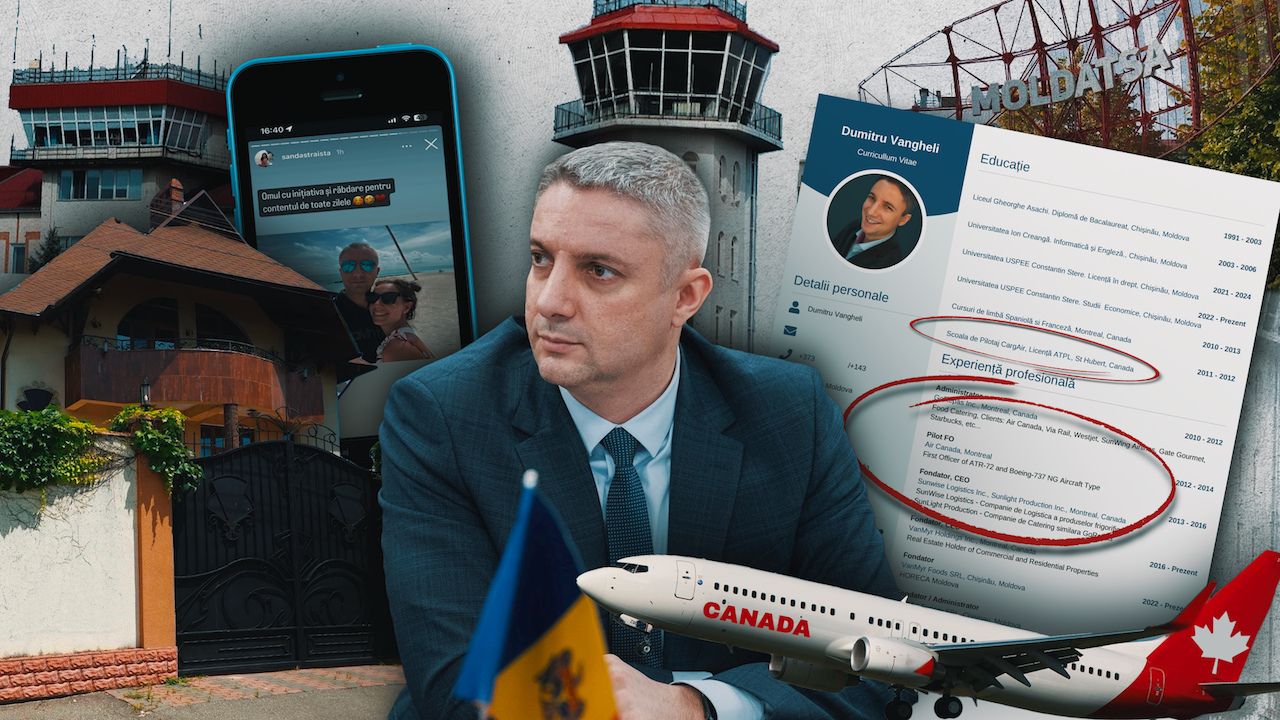
Political consequences followed quickly. PAS lawmaker Radu Marian resigned as chairman of Parliament’s Economy, Budget and Finance Committee after acknowledging that he had recommended Vangheli for the position and had known him personally since childhood. Shortly afterward, PAS nominated MP Victoria Belous to replace him as head of the committee.

The scandal also led to the resignation of Public Property Agency (APP) Director Roman Cojuhari. He stated that he was stepping down in order to protect the institution’s image and acknowledged that additional verification of documents submitted by MoldATSA’s former management should have been conducted.
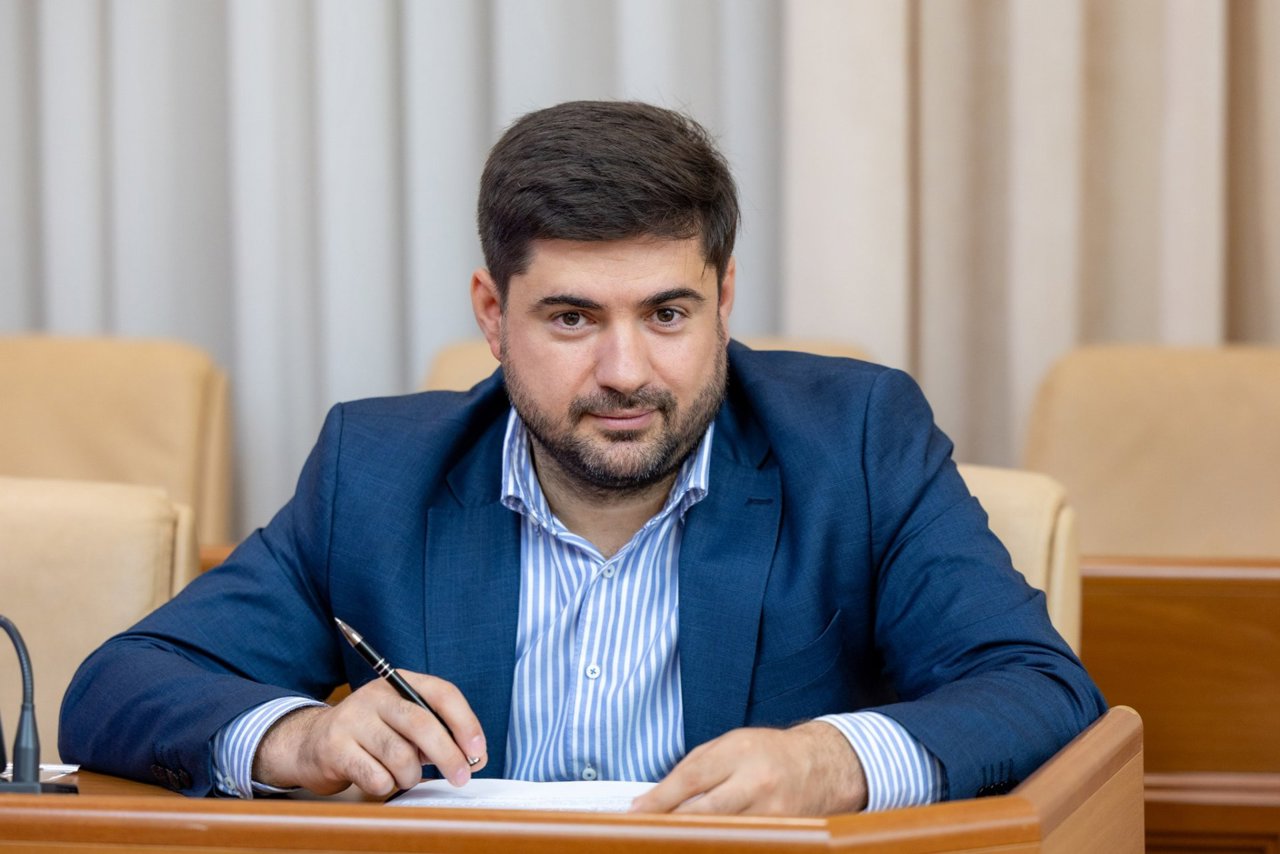
Meanwhile, the National Anticorruption Center (CNA) launched a criminal investigation into alleged abuse of office at MoldATSA. Searches were conducted at the company’s headquarters, and authorities reported identifying multiple governance problems, including irregular bonus payments, the hiring of 33 employees without public competitions, and cases in which employees simultaneously occupied two or even three positions over extended periods.
In response, President Maia Sandu announced a broader reform package targeting state-owned enterprises. The measures include stricter background checks by SIS and CNA for management candidates, audits of public spending, sanctions for officials responsible for violations, and reviews of consultancy contracts financed through foreign assistance programs.
PAS apologizes and distances itself from figures linked to the scandal
The political fallout extended beyond MoldATSA itself. PAS leader and Parliament Speaker Igor Grosu publicly apologized to citizens for mistakes made in the management of the case, describing ZdG’s investigation as a “hard lesson” that exposed vulnerabilities within public institutions.
Grosu announced disciplinary measures inside the ruling party, including the removal of Anastasia Taburceanu from PAS membership and the expulsion of Petru Bondari, Mihai Bondari, and Lilia Coică. He also called on the government to dismiss Petru Bondari from his position as director of the state-owned metal recycling company Metalferos.
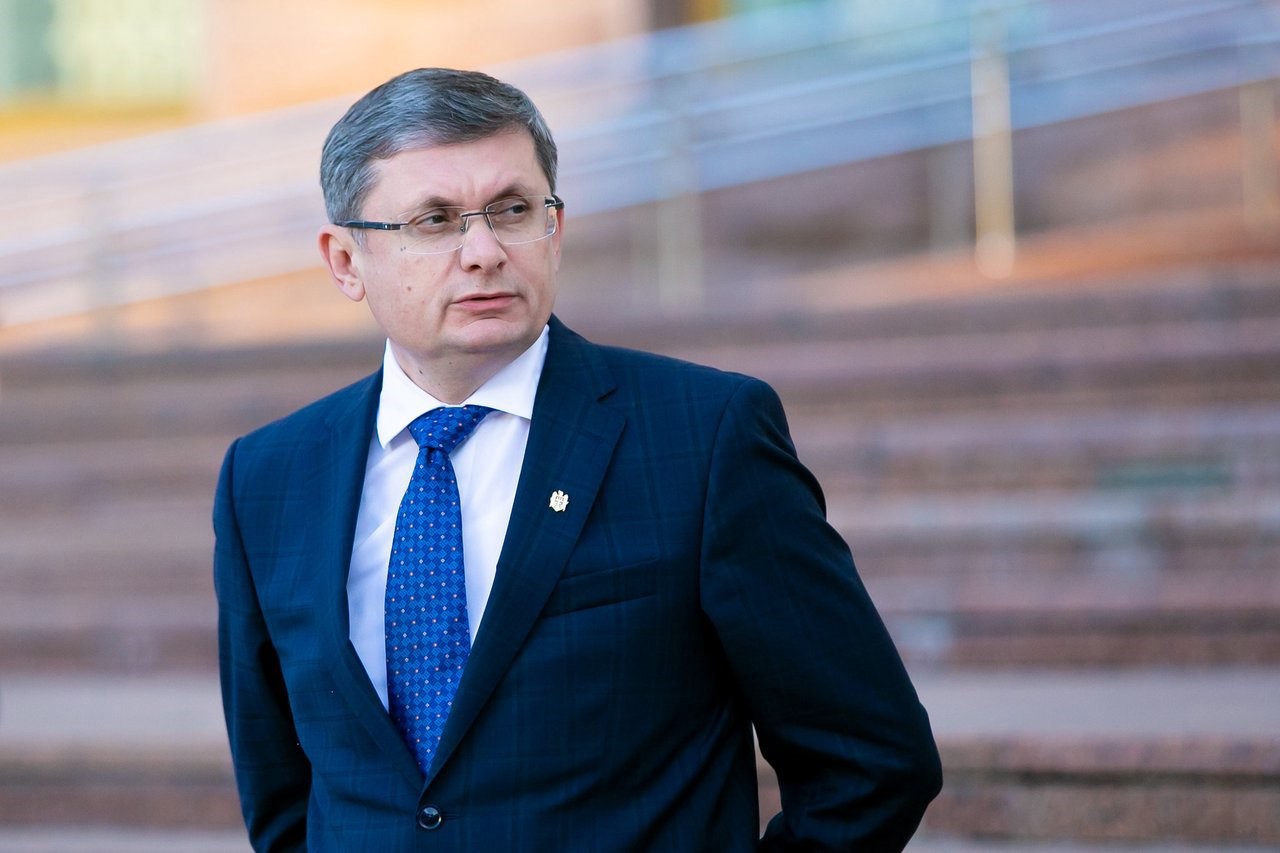
Bondari subsequently resigned from Metalferos, stating that he respected the party’s decision. Grosu later clarified that the expulsion of the Bondari brothers was linked not to Metalferos itself but to the activities of a private company in which they had been involved as founders. Nevertheless, the case became another example of the pressure faced by PAS as it sought to contain the political damage caused by the broader MoldATSA affair.
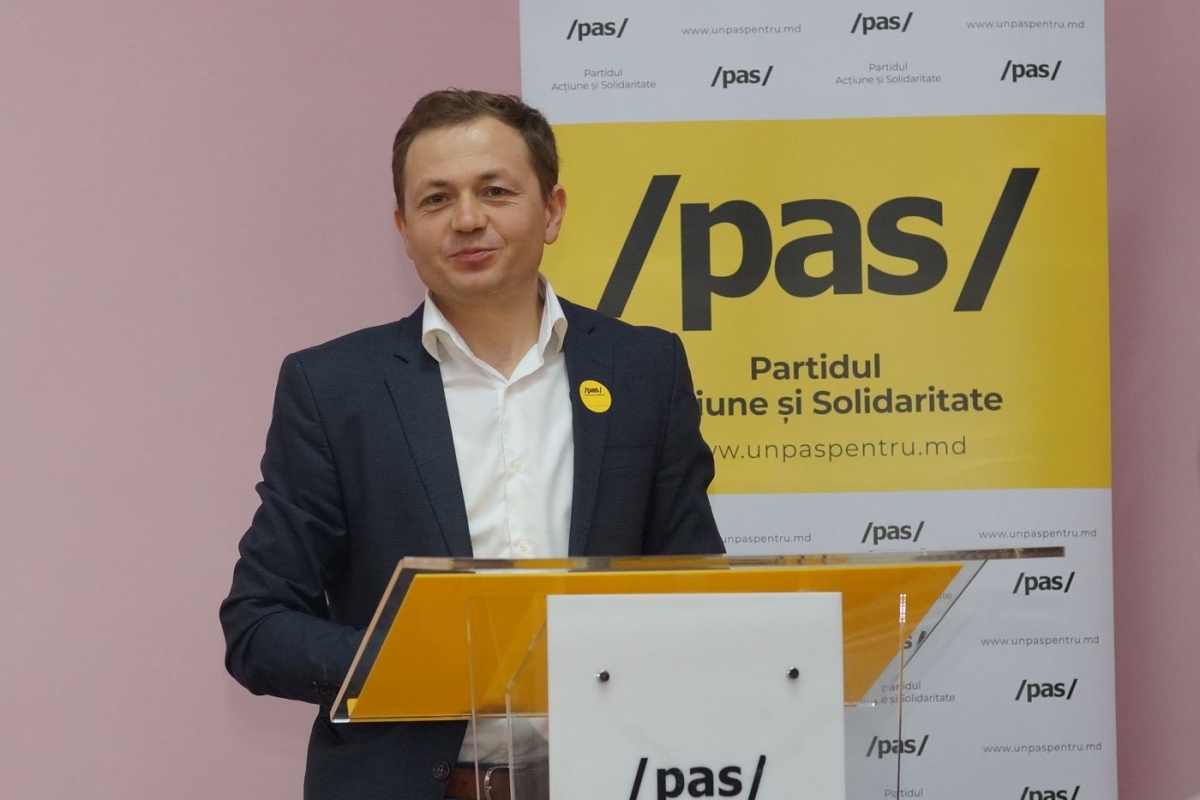
Corruption and integrity investigations continue
Anti-corruption authorities announced a new high-profile investigation involving the Ministry of Agriculture. CNA officers detained a state secretary and a business representative on suspicion of influence peddling. Investigators allege that money was offered in exchange for influencing officials at the National Food Safety Agency (ANSA) to restore authorization for imports of animal feed from Ukraine. According to information reported by ZdG, the detained official is Tatiana Nistorică, State Secretary at the Ministry of Agriculture and Food Industry.
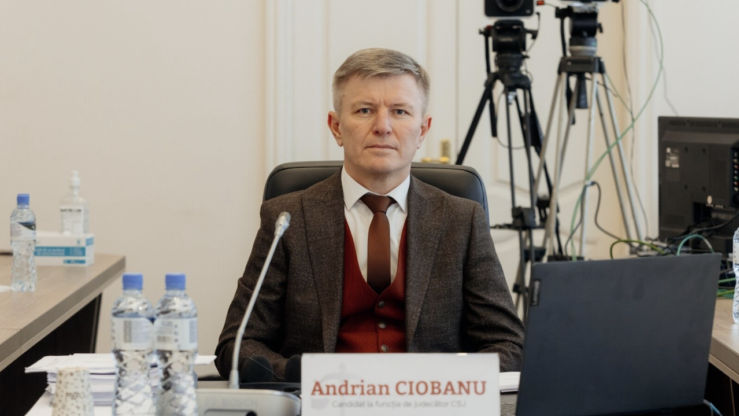
The National Integrity Authority (ANI) also concluded that former Bălți Court of Appeal judge Andrian Ciobanu could not justify assets worth nearly 400,000 lei. ANI found a substantial discrepancy between his income, spending, and acquired assets and requested court proceedings aimed at confiscating the unexplained wealth. Still, the former judge had recorded gambling-related transactions totaling approximately 740,000 lei during 2021–2022.
Former Deputy Interior Minister Veaceslav Ceban was sentenced to eight years in prison for organizing the surveillance of two Anti-Corruption Prosecutor’s Office prosecutors who were investigating the “Billion Dollar Bank Fraud” case in 2020. Prosecutors argued that information obtained through the surveillance operation was transmitted to the leadership of the former Șor Party. The court concluded that Ceban played a central role in organizing the criminal group responsible for the operation.
Court closes criminal case against Alexandr Stoianoglo
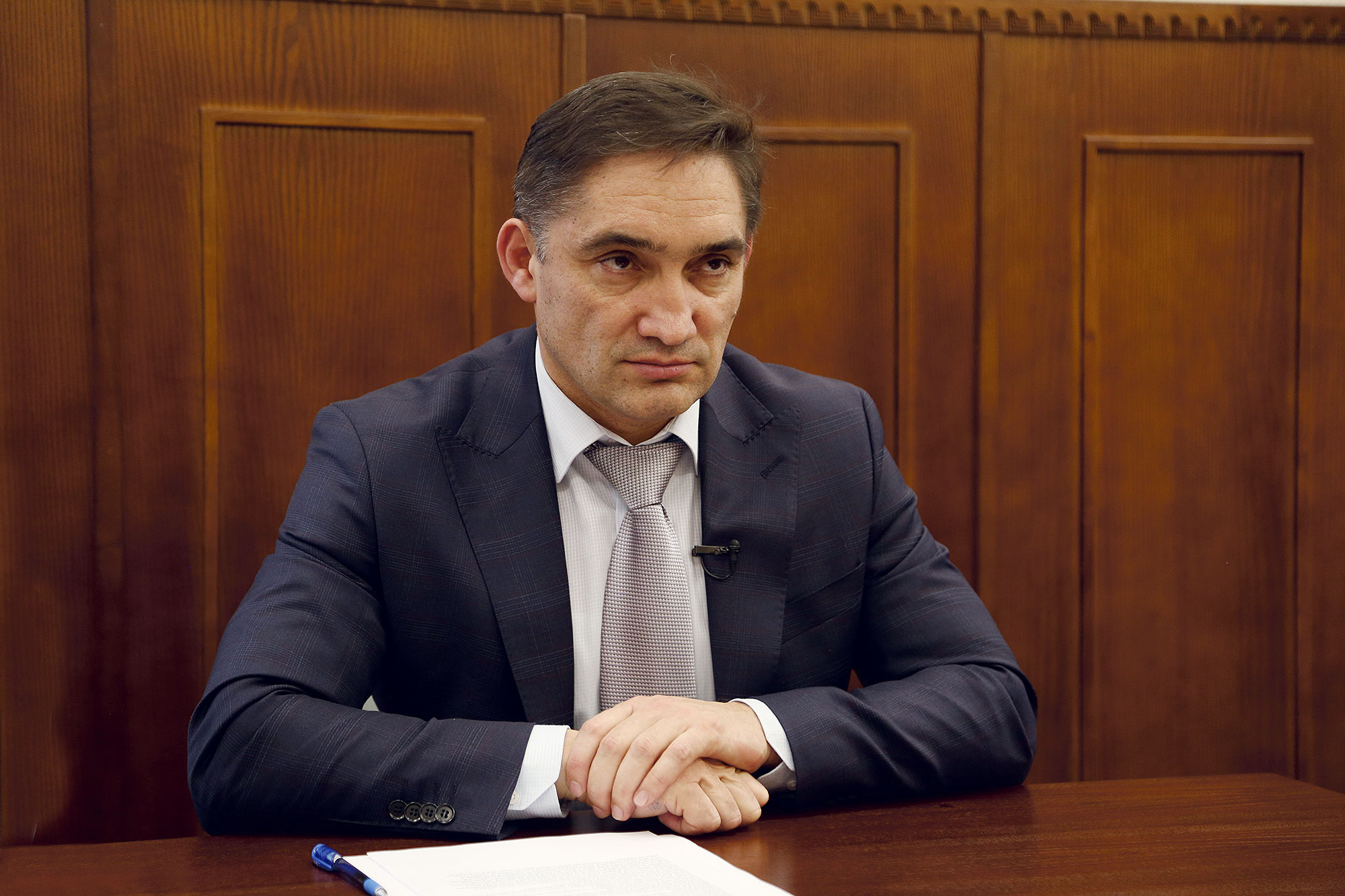
One of the most notable judicial developments involved former Prosecutor General Alexandr Stoianoglo. The Chișinău Court terminated criminal proceedings against him in a case concerning the alleged violation of the private life of the former head of the Anti-Corruption Prosecutor’s Office.
The court ruled that the actions attributed to Stoianoglo did not reach the threshold necessary to constitute a criminal offense and also dismissed the civil claim filed by the alleged victim. Stoianoglo, who later became the Socialist Party-backed challenger to Maia Sandu in the 2024 presidential election and advanced to the second round, has consistently rejected the accusations against him. The ruling represents another significant legal victory for the former prosecutor general.
Energy security project delayed again
Moldova’s strategic Vulcănești–Chișinău electricity transmission line project suffered another setback after the World Bank approved a six-month extension, pushing the completion deadline to December 2026.
The project is considered essential for strengthening Moldova’s energy independence and reducing reliance on infrastructure connected to Russia. According to the World Bank, this is the second extension granted to the project. Two activities were removed from the implementation plan, resulting in the cancellation of approximately $4 million that is no longer required. Completion of the line remains one of the conditions tied to funding under the EU Growth Plan for Moldova, with more than €15 million linked to this milestone.
Public health, religion, and education developments
Health authorities confirmed a salmonella outbreak affecting 26 people who attended events held between June 22 and June 26 at the Radisson Blu Leogrand hotel in Chișinău. Several individuals required hospitalization at the Toma Ciorbă Infectious Diseases Hospital.
In education, Moldova’s national physics team achieved strong results at the Balkan Physics Olympiad in Istanbul, winning one gold medal, one bronze medal, and a special prize.
The Romanian Orthodox Church’s Holy Synod appointed Bishop Antonie of Bălți as the new head of the Metropolis of Bessarabia, replacing Metropolitan Petru following his retirement. The decision is expected to influence the future direction of one of Moldova’s most important religious institutions.
Vladimir Andronachi released under judicial supervision
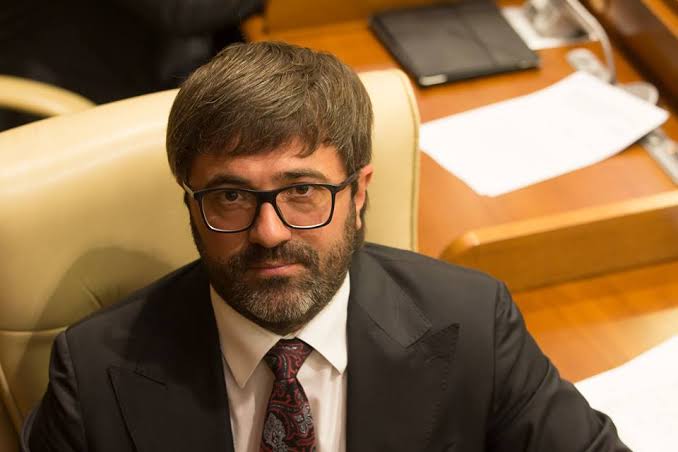
Former Democratic Party MP Vladimir Andronachi was released from Penitentiary No. 13 and placed under judicial supervision for 60 days in the so-called “duty-free” case. Prosecutors unsuccessfully challenged the decision.
Andronachi is accused of helping facilitate duty-free operations in the Transnistrian region and participating in smuggling schemes that allegedly caused significant losses to the state. Although the criminal case remains ongoing, the court’s decision allows him to remain outside detention while proceedings continue.