New government sets EU agenda | Moldova strengthens ties with India | Courts dissolve Șor-linked parties
Moldova’s European integration and international partnerships remained at the center of political developments this week, as Parliament approved the new government led by Prime Minister Vasile Tofan, whose program places EU accession among its top priorities. The country also strengthened ties with India during the first official visit by an Indian president to Moldova since diplomatic relations were established in 1992.
The week also brought major developments in domestic politics and the rule of law. Courts ordered the dissolution of several political parties considered successors to the banned Șor Party, while anti-corruption authorities launched high-profile investigations targeting public officials and the state-owned air traffic management company MoldATSA.
Meanwhile, Moldova faced renewed debates over governance and security, following a report documenting the militarization of children in the Russian-backed separatist Transnistria region, alongside reforms aimed at modernizing the education system and a €50 million European Investment Bank investment to renovate schools across the country.
European integration and foreign relations
Moldova reaffirmed its pro-European course this week as Parliament approved the new government led by Prime Minister Vasile Tofan, whose program, “European Economy, Efficient State,” places EU accession among its top priorities alongside economic growth, security and public sector reform. The new cabinet received Parliament’s vote of confidence on July 21, with Tofan pledging to accelerate Moldova’s European integration and continue institutional reforms.
The country’s European agenda was also supported through investment in education. Parliament ratified a €50 million financing agreement with the European Investment Bank (EIB) to modernize 20 schools across Moldova, part of a broader effort to improve public infrastructure in line with European standards.
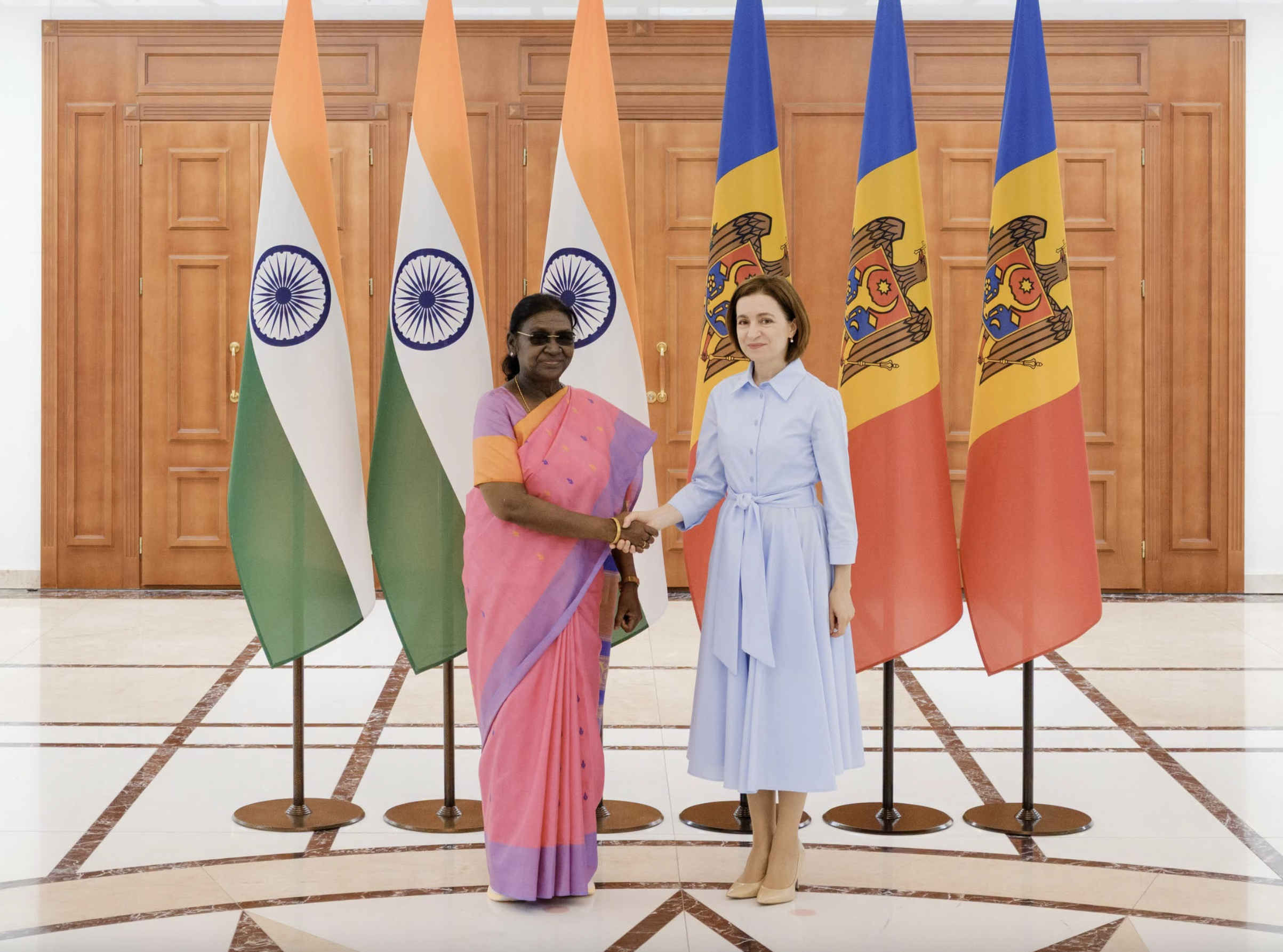
At the same time, Moldova expanded its international partnerships beyond Europe. President Maia Sandu welcomed Indian President Droupadi Murmu on the first official visit by an Indian head of state to Moldova since diplomatic relations were established in 1992. The two countries agreed to deepen cooperation in trade, investment, agriculture, education, healthcare, information technology and energy, while Murmu invited Sandu to pay an official visit to India.
Politics and governance
The new government officially took office after Parliament approved both Prime Minister Vasile Tofan’s cabinet and its governing program. The administration identified five priorities: reviving economic growth, accelerating EU accession, building a more efficient and digital state, strengthening security and the rule of law, and improving citizens’ quality of life.
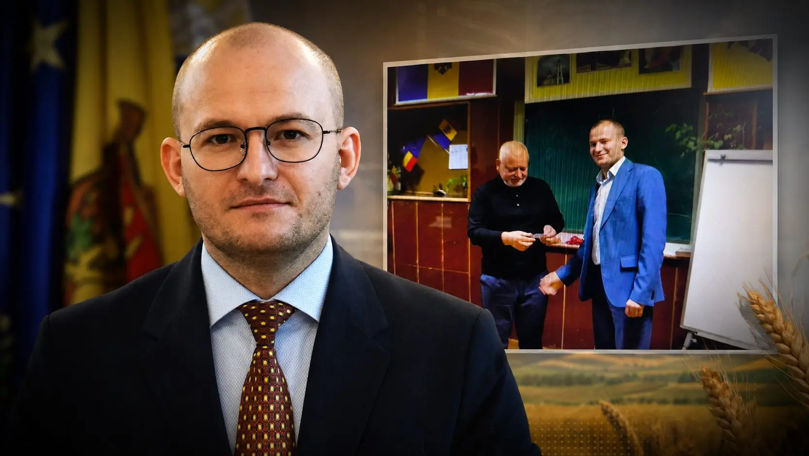
The new cabinet also faced its first political controversy, as the new appointed Agriculture Minister Radu Musteață resigned after reports emerged suggesting he may have previously belonged to the Democratic Party (PDM), formerly controlled by oligarch Vladimir Plahotniuc, who dominated Moldovan politics until fleeing the country in 2019 and is currently in prison after being sentenced to 19 years in „Bank Fraud” charge. Musteață acknowledged appearing in a photograph presented by the media but denied ever being a party member.
Justice, corruption and rule of law
Moldovan authorities continued investigations into corruption and abuse of office. 30 searches were conducted in a case involving alleged fraud and abuse in infrastructure projects financed through international funds for water supply and sewage systems, with investigators estimating damages of more than 14.5 million lei.
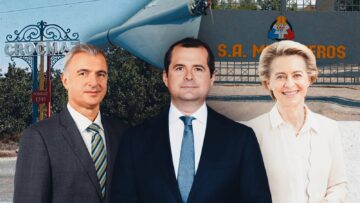
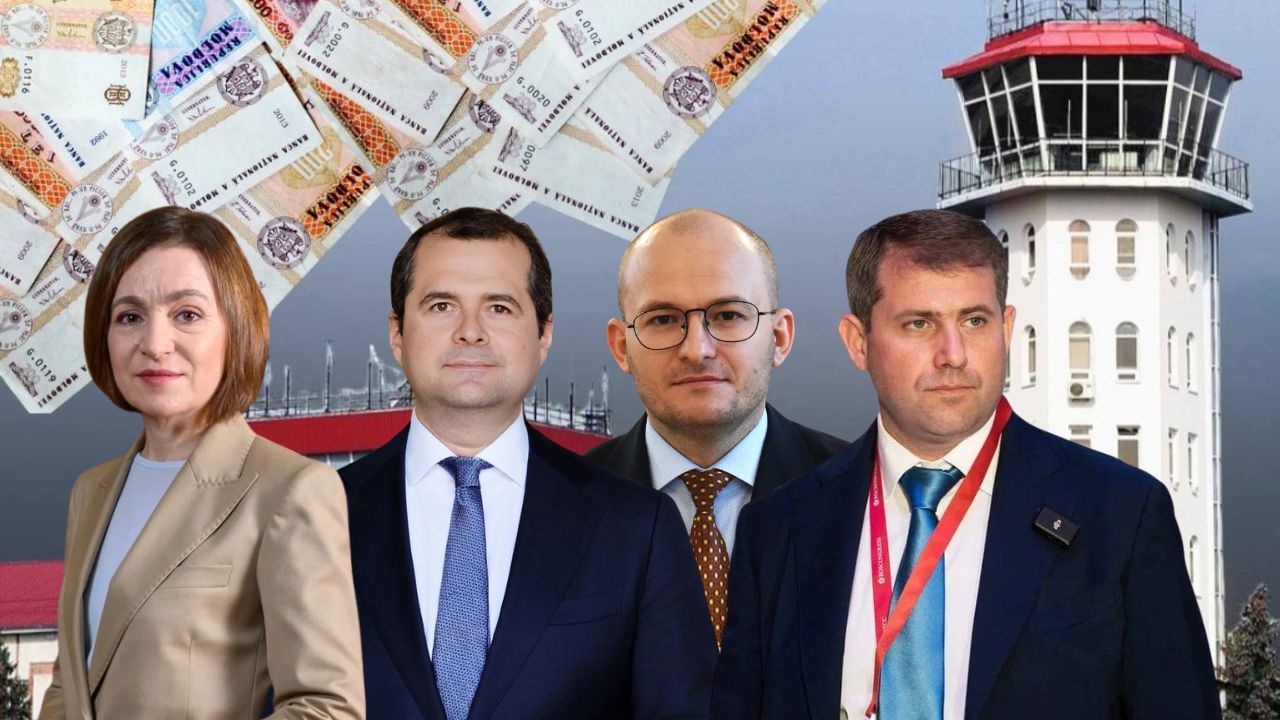
In another major investigation, the National Anticorruption Center (CNA) searched the headquarters of the state-owned air traffic management company MoldATSA, detaining three officials suspected of abuse of office. Investigators allege systemic procurement violations, manipulated hiring procedures, unjustified bonuses and misuse of public funds. The investigation follows a series of investigative reports that prompted several resignations from senior public officials.
Separately, police carried out criminal procedural actions against social media influencer Radu Dutcovici, who has more than 100,000 followers online, in a fraud investigation. In January 2026, Ziarul de Gardă (ZdG) revealed that Dutcovici had allegedly defrauded several members of the Moldovan diaspora by persuading them to donate money to what was presented as a family in need.
A court also sentenced the man convicted of murdering former deputy prime minister Nicolae Andronati to 23 years in prison for robbery and murder committed with exceptional cruelty. Andronati was a signatory of Moldova’s 1991 Declaration of Independence and a member of the country’s first post-Soviet Parliament.

Political parties and security
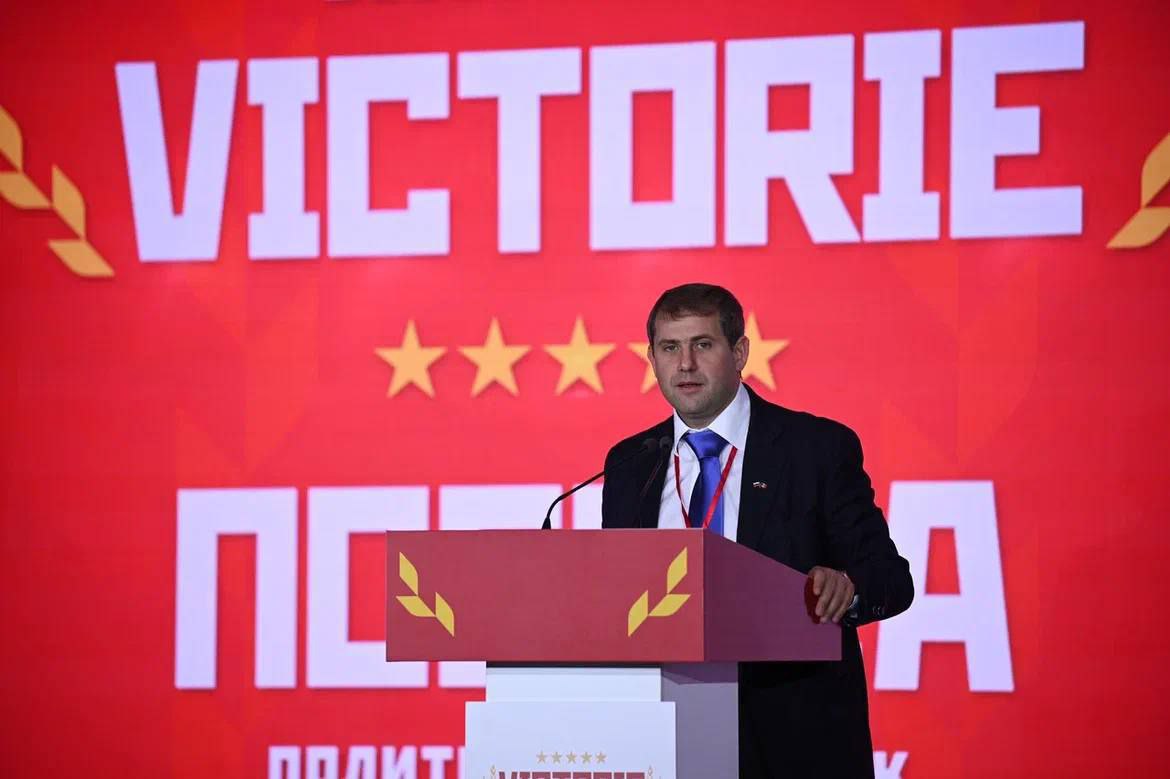
A Moldovan court ordered the dissolution of three political parties and suspended the activities of a fourth, ruling that they were successors to the former Șor Party, which was declared unconstitutional in 2023. The Justice Ministry argued that the parties continued the activities of the banned formation and had benefited from Russian financing. Ilan Șor is the fugitive pro-Russian oligarch who was sentenced to 15 years in prison for his role in Moldova’s billion-dollar bank fraud but currently resides in Russia, beyond the reach of Moldovan authorities. Representatives of the affected parties announced they would challenge the ruling before the Supreme Court.
Meanwhile, a court replaced pre-trial detention with house arrest or judicial supervision for several defendants in a high-profile ammunition smuggling case involving military cargo transported from Ukraine through Moldova. Court documents also mention the name of Pinhas Zaltzman, Moldova’s chief rabbi, in connection with the shipments, while the defendants maintain they were unaware the cargo contained military equipment. The court documents appeared only after Ziarul de Garda asked for them.
Education and society
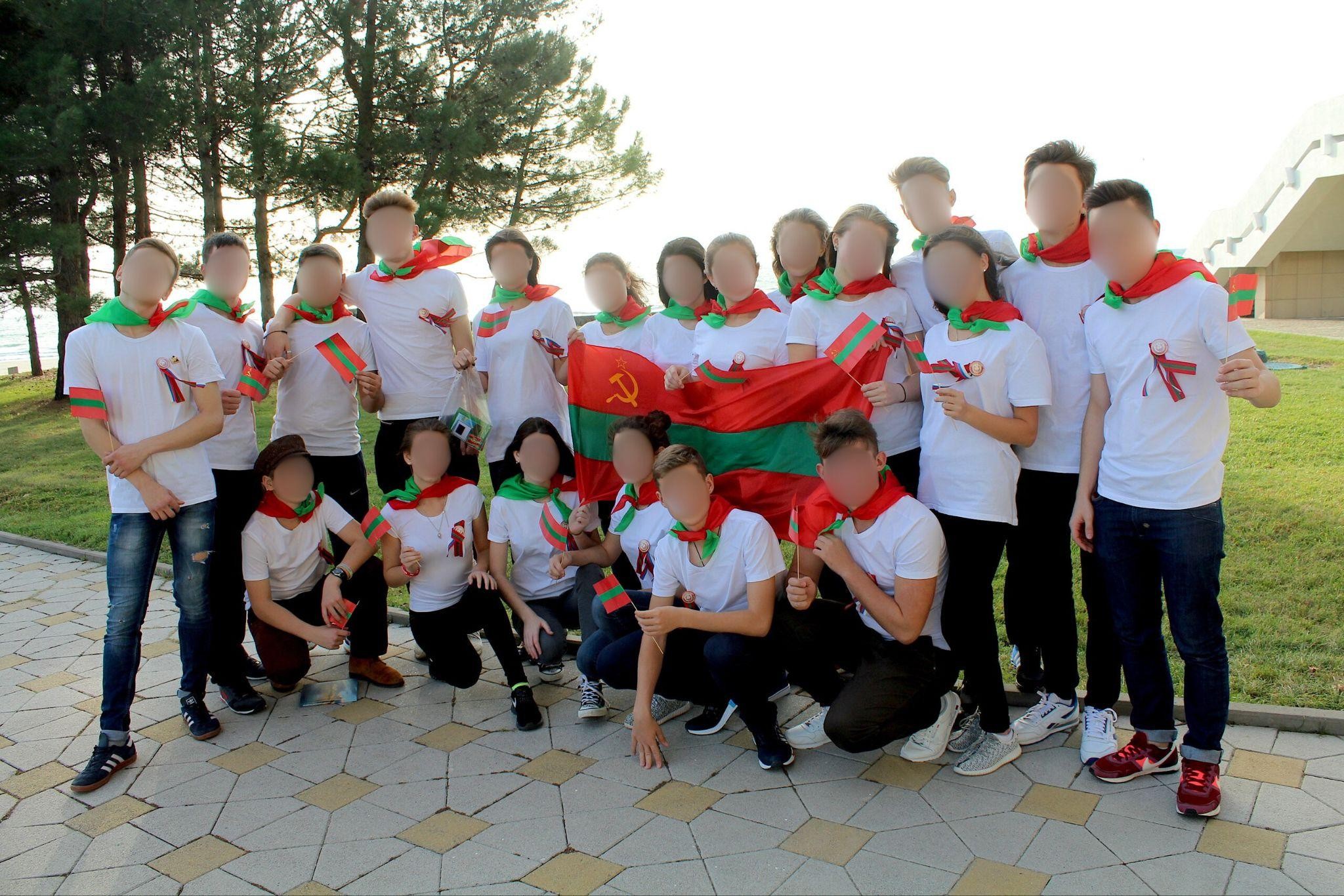
A new report by Promo-LEX, one of Moldova’s leading human rights organizations, warned that children in the Russian-backed separatist region of Transnistria are subjected to systematic militarization and Russian propaganda from kindergarten onward. According to the report, around 15,000 children participate in activities featuring military uniforms, toy weapons, Soviet and Russian symbols, and war-themed events organized by the separatist authorities.
The government also approved the “Restart in Education” reform, which will transfer the administration of schools from district authorities to newly created Territorial Education Agencies subordinated to the Ministry of Education. Officials say the reform aims to create a more unified and efficient education system, while local authorities will continue managing kindergartens and extracurricular institutions.