EU support reaches record high | Government declares energy alert | Shor-linked Eurasia declared extremist | ZdG undercover investigation leads to convictions
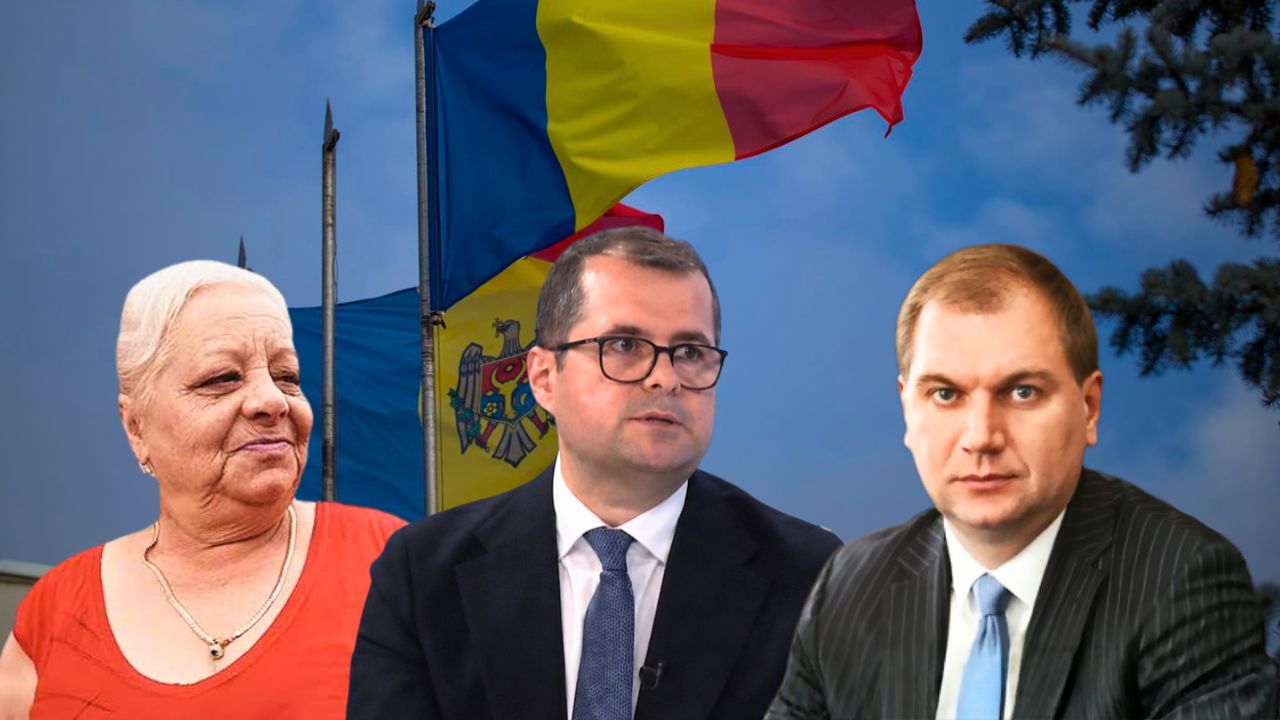

Moldova’s European integration remained at the forefront of political developments this week, as the country deepened cooperation with European partners through a series of high-level meetings, while record public support for EU membership highlighted growing confidence in the accession process. Authorities also reported significant savings following Moldova’s integration into the Single Euro Payments Area (SEPA), underscoring the practical benefits of closer ties with the European Union.
The week also saw major developments in justice and the rule of law. Former Banca de Economii chairman Grigore Gacikevici was sentenced in one of the largest cases linked to Moldova’s billion-dollar bank fraud, while an undercover investigation by Ziarul de Gardă contributed to three convictions for electoral corruption connected to the pro-Russian Victory Bloc. Separately, the Court of Appeal declared the Shor-linked Russian organization Eurasia an extremist organization.
Meanwhile, the government declared energy and hydrological alerts amid a diesel shortage and historically low water levels in the Dniester River, introducing emergency measures to stabilize fuel supplies and prepare for potential disruptions to drinking water.
Ziarul de Gardă, marked its 22nd anniversary
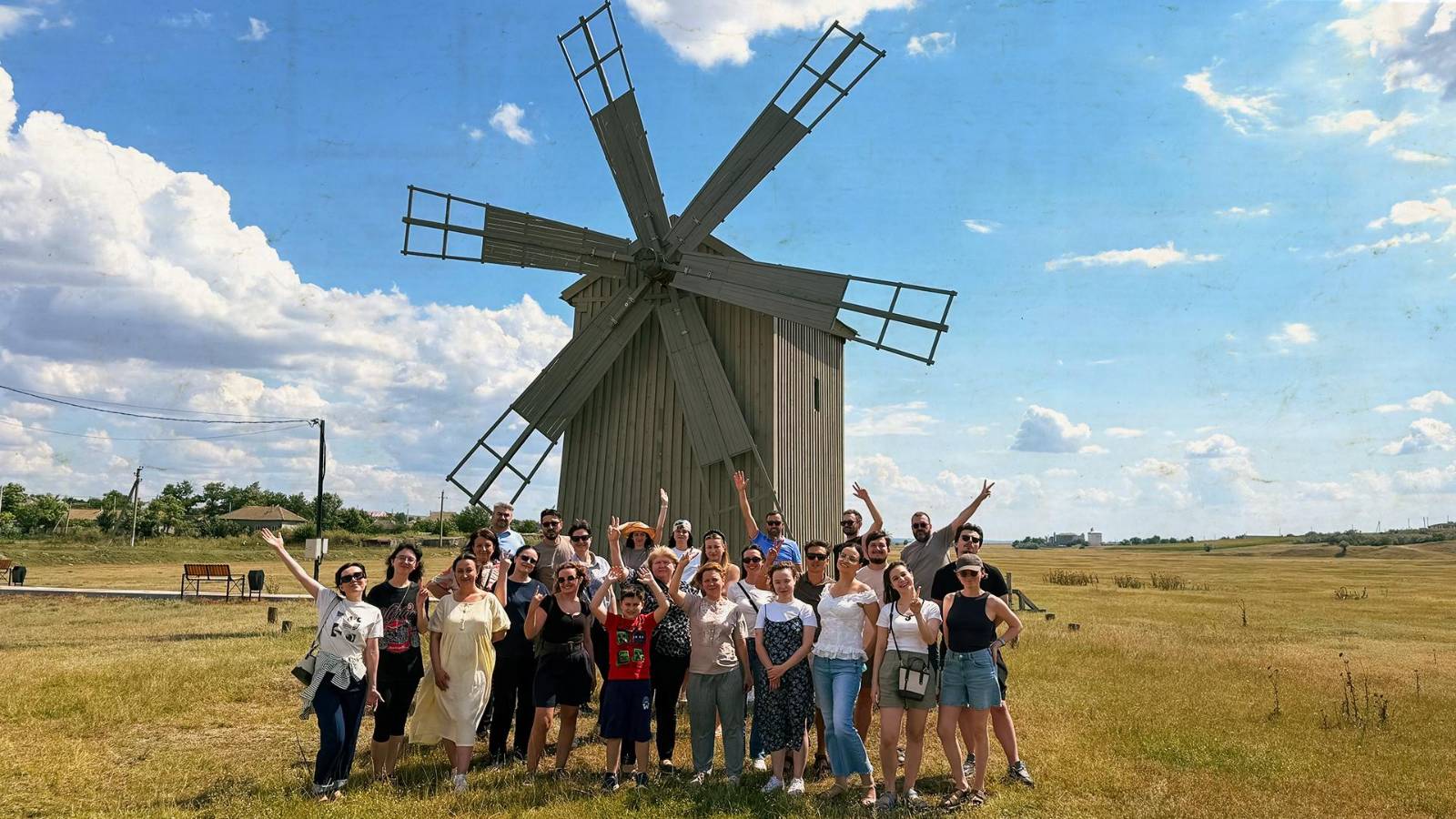
Ziarul de Gardă, Moldova’s leading investigative newspaper, marked its 22nd anniversary on July 29. For more than two decades, the newsroom has investigated corruption, abuse of power, human rights violations and other issues of public interest, publishing investigations and reports that have reached millions of readers and, in many cases, contributed to institutional and legislative changes.
To mark the anniversary, ZdG launched a special video dedicated to Moldova’s autonomous region of Gagauzia, interviewing local residents about their culture, traditions, everyday life, the challenges they face and the relations with Chișinău authorities.
89% of Moldovans believe relations with the European Union are good
Moldova continued advancing its European agenda this week through a series of high-level meetings with European partners. President Maia Sandu hosted Markus Söder, Minister-President of the German state of Bavaria, on his first official visit to Moldova. Sandu thanked Germany for its support in strengthening Moldova’s security, defense capabilities, economy and energy resilience, stressing that the country remains committed to a merit-based EU accession process. Söder reaffirmed Germany’s support, describing Moldova as strategically important and saying it deserves its place in the European Union.
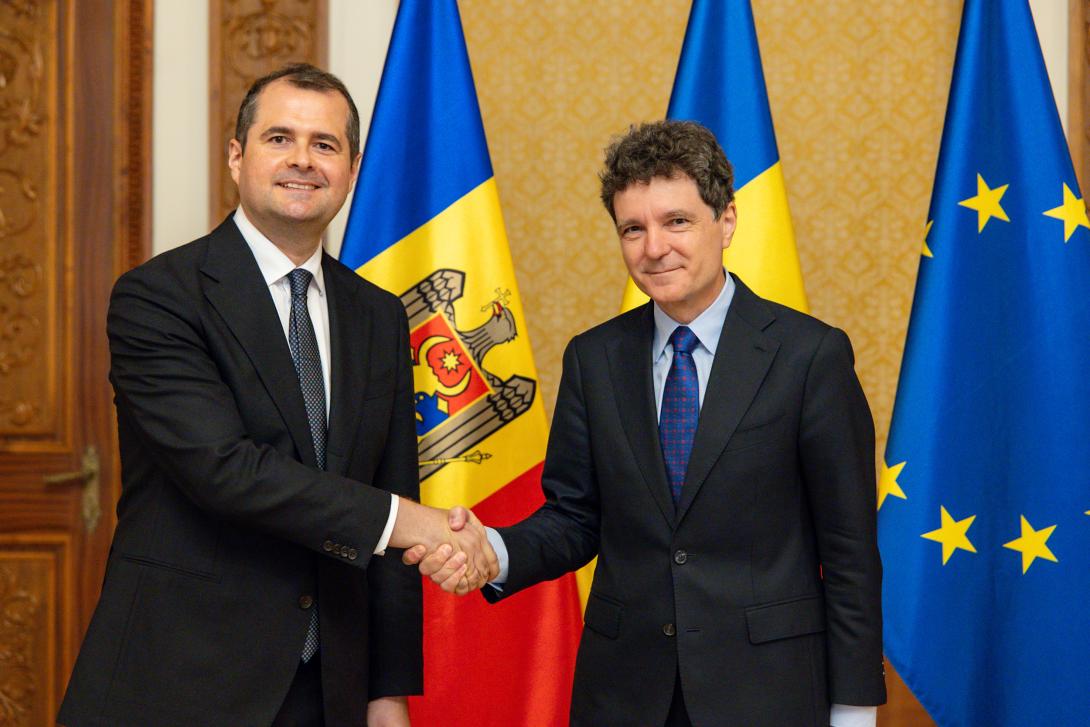
Prime Minister Vasile Tofan made his first official foreign visit to neighboring Romania, where he met Prime Minister Ilie Bolojan, President Nicușor Dan, parliamentary leaders and representatives of the Basarabian Business Club. The discussions focused on expanding bilateral cooperation, particularly in energy, transport and investment, while reaffirming Romania’s role as Moldova’s closest political and economic partner.
President Sandu chaired the first meeting of the National Commission for European Integration attended by the new government, reviewing progress in implementing Moldova’s National Accession Programme and reforms in justice, fundamental rights, freedom and security—key chapters in the EU accession negotiations.
A new EU Neighbours East survey showed record public support for European integration. According to the poll, 89% of Moldovans believe relations with the European Union are good—the highest level recorded in the past decade—while a majority support EU membership. Respondents identified better opportunities for future generations, improved living standards and infrastructure development as the main expected benefits, while corruption remains the biggest perceived obstacle to accession.
Moldova also reported significant benefits from joining the Single Euro Payments Area (SEPA). Between October 2025 and June 2026, nearly 829,000 transactions were processed through SEPA, reducing average transfer fees from at least €20 under the traditional SWIFT system to just €1.11. According to the government, citizens and businesses saved approximately €11.6 million in international transfer costs during the period.
The government declared an energy alert and a hydrological alert
The government declared an energy alert and a hydrological alert amid a diesel shortage and historically low water levels in the Dniester River. Officials attributed the fuel crisis to rising international oil prices, disruptions affecting the Caspian Pipeline, regional conflicts and export restrictions imposed or considered by neighboring countries. The government introduced temporary measures aimed at encouraging fuel imports while limiting speculation, including adjustments to fuel pricing rules, priority customs clearance for petroleum products, restrictions on diesel exports and bulk purchases, and mandatory fuel savings across public institutions.
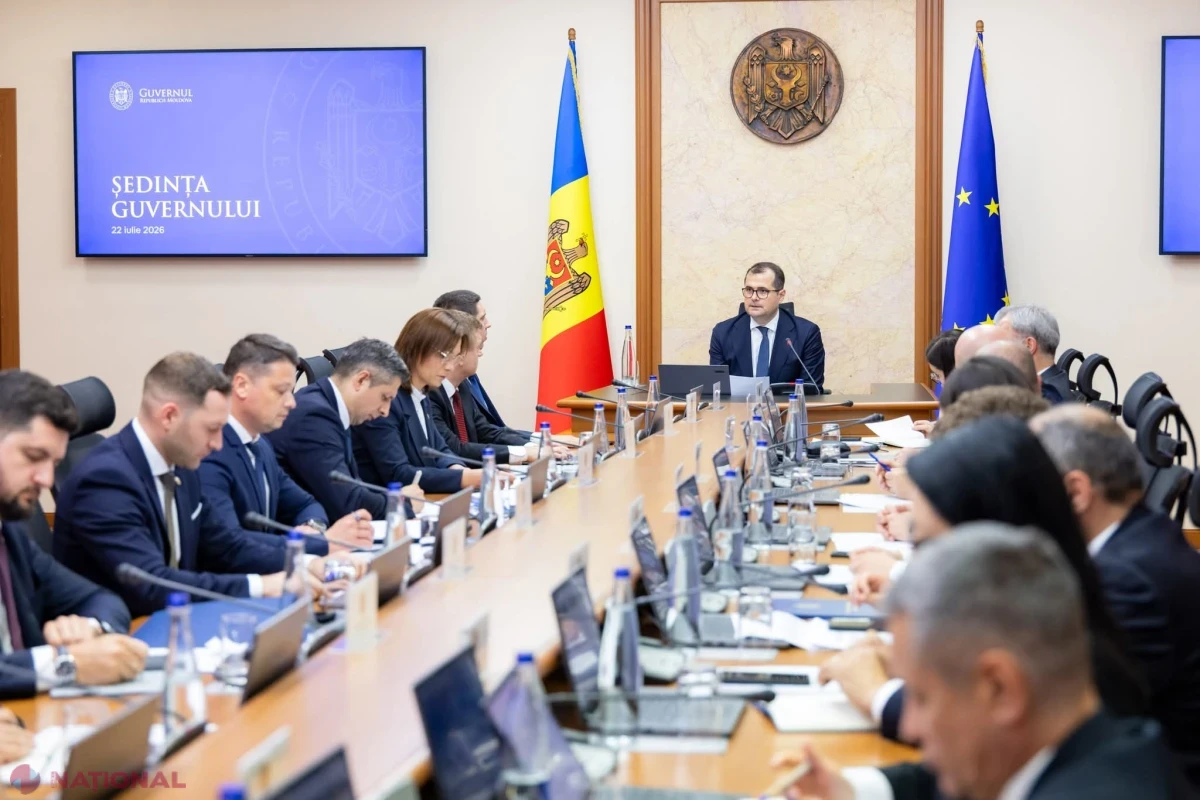
Authorities also warned that the Dniester River had reached one of the lowest levels in its recorded history, raising concerns over drinking water supplies, particularly for Chișinău. Local authorities and water operators were instructed to prepare contingency plans, while Prime Minister Tofan called for political cooperation to ensure uninterrupted access to water if the situation deteriorates.
Separately, the government announced that additional fuel deliveries had entered the country, including two barges carrying around 6,000 tonnes of diesel, with another shipment expected shortly, in an effort to stabilize the domestic market and address shortages reported by farmers.
State-owned enterprises reported strong financial results in 2025. According to the Public Property Agency, companies with state capital generated 68.5 billion lei in sales and a combined net profit exceeding 3.1 billion lei, an increase of around 33% compared to the previous year. The most profitable state-owned companies were Moldovagaz, Chișinău International Airport, and Energocom.
ZdG undercover investigation leads to three convictions
Former Banca de Economii (BEM) chairman Grigore Gacikevici was sentenced to 13 years in prison in one of the largest criminal cases connected to Moldova’s billion-dollar bank fraud. Four other former members of the bank’s board also received prison sentences. Prosecutors said the defendants approved massive loans backed by heavily overvalued collateral, causing damages estimated at around 3 billion lei.
A Moldovan court convicted Raisa Surdu, known as “Tanti Raia,” together with two other individuals featured in Ziarul de Gardă’s undercover investigation In the Service of Moscow, for electoral corruption linked to the pro-Russian Victory Bloc. Although the defendants received prison sentences, the court suspended their execution, a decision prosecutors announced they would appeal.

Meanwhile, former deputy prosecutor general Igor Popa was acquitted in a false declaration case. The ruling became public only after Ziarul de Gardă requested information from the authorities several days after the verdict had been delivered.
Eurasia, declared an extremist organization
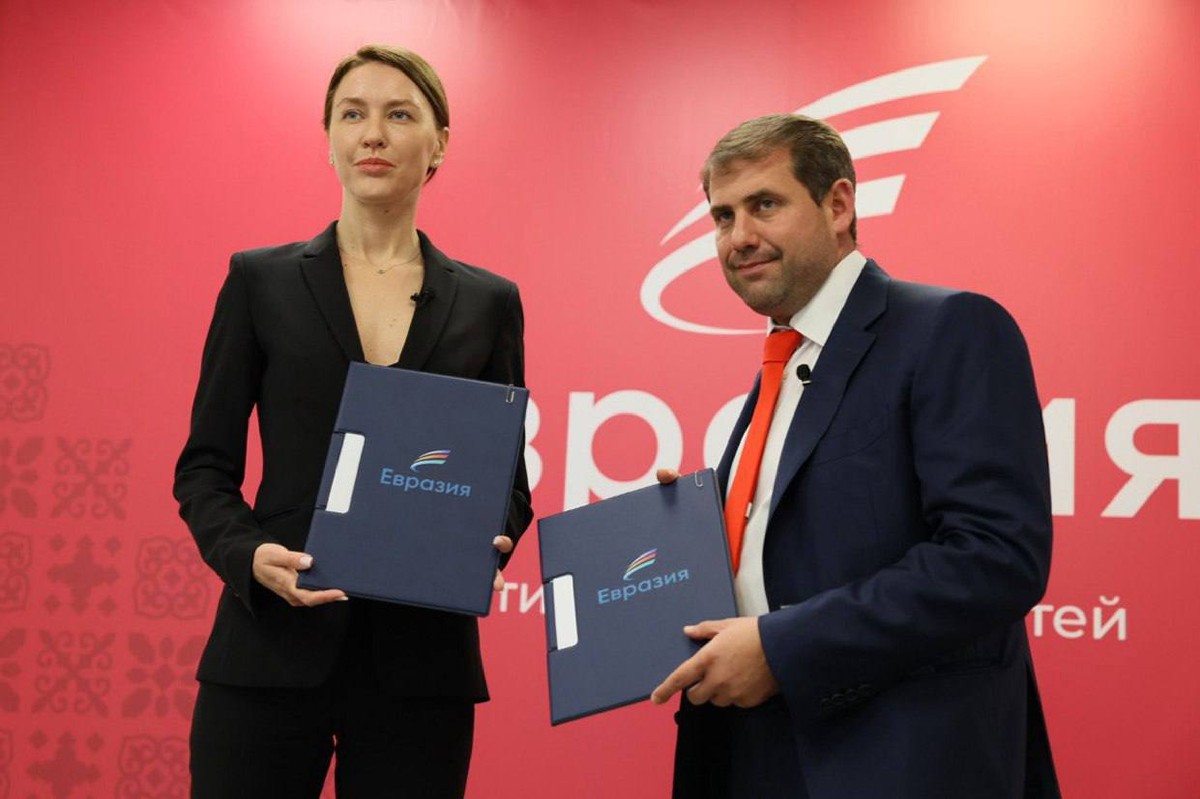
The Court of Appeal declared the Russian organization Eurasia, controlled by Ilan Shor, an extremist organization following a request by Moldova’s Intelligence and Security Service (SIS). The decision places the organization on the national register of extremist entities, making participation in, financing or promoting its activities a criminal offence under Moldovan law. Eurasia is affiliated to Ilan Shor, who was sentenced to 15 years in prison in the Bank Fraud case.
Chișinău Mayor Ion Ceban, leader of the National Alternative Movement (MAN), risks being banned from holding the office of mayor for one year after authorities accused him of using a diplomatic passport while he was suspended from office during the 2025 parliamentary election campaign. The case has been referred to court.
In another high-profile case, MAN municipal councillor Ion Onța remained under house arrest while facing fraud charges involving more than €155,000 allegedly obtained from two investors. Onța claims the case is politically motivated, while the National Inspectorate of Investigations has rejected the allegations.
The new law on mass media
Alina Radu, founder of Media-Guard associtation and Ziarul de Garda, submitted a list of observations and comments on the draft law to the Parliamentary Committee on Media on 27 July 2026. She mentioned that journalists want to ensure that this new law provides a supportive legal framework for journalists and newsrooms acting in good faith and responsibly serving the public interest.
For example, measures are needed to guarantee journalists’ access to the Transnistrian region, just as journalists from Tiraspol have access to Chișinău. Journalists should not be blocked by checkpoints, barriers, or armed posts.
Measures are also needed to protect journalists from digital attacks, endless online smear campaigns, threats, and digital harassment originating from foreign territories—such as Russia—or even from Moldovan entities based in EU member states. Alina Radu also declared that there is need to see greater accountability for all participants in the information space and in the cognitive warfare environment, not only journalists.
Government’s Romanian Language Day concert, cancelled
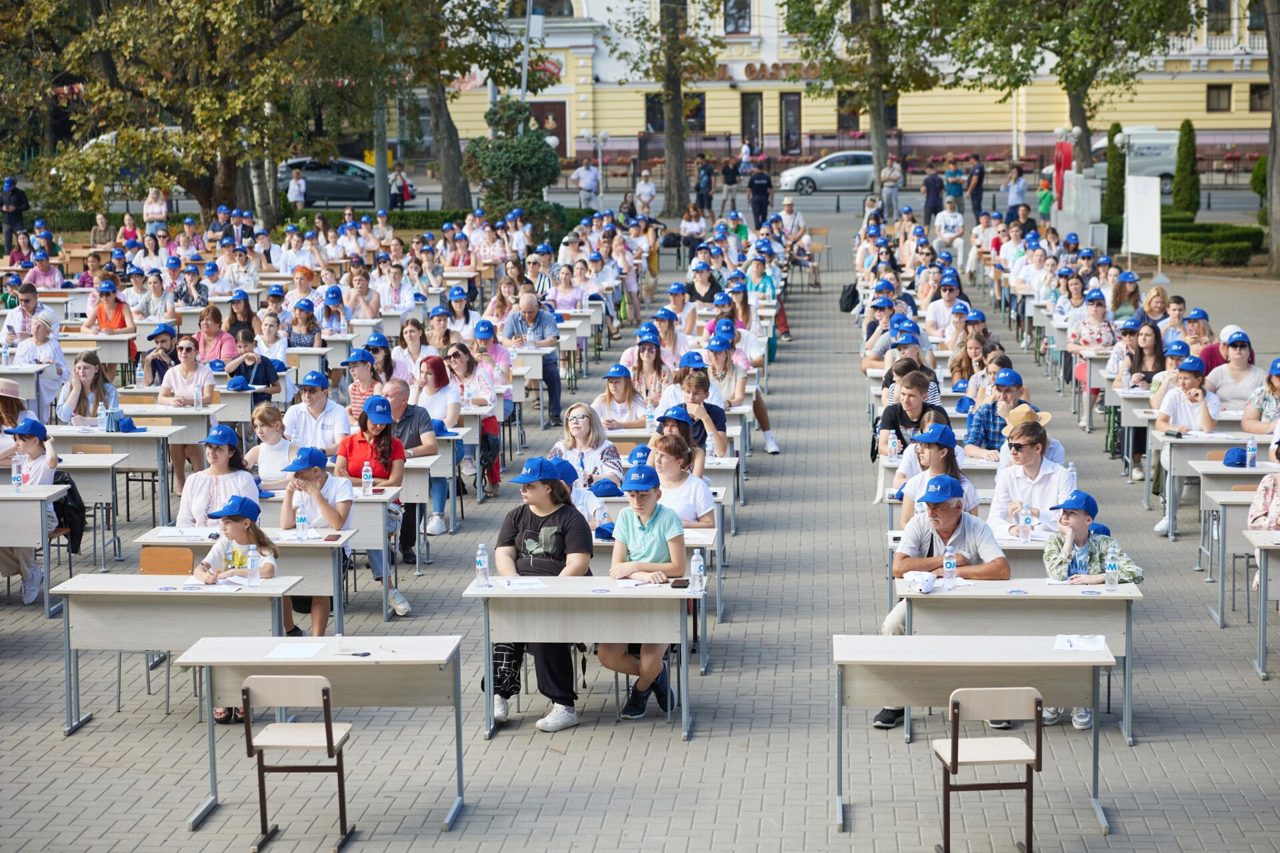
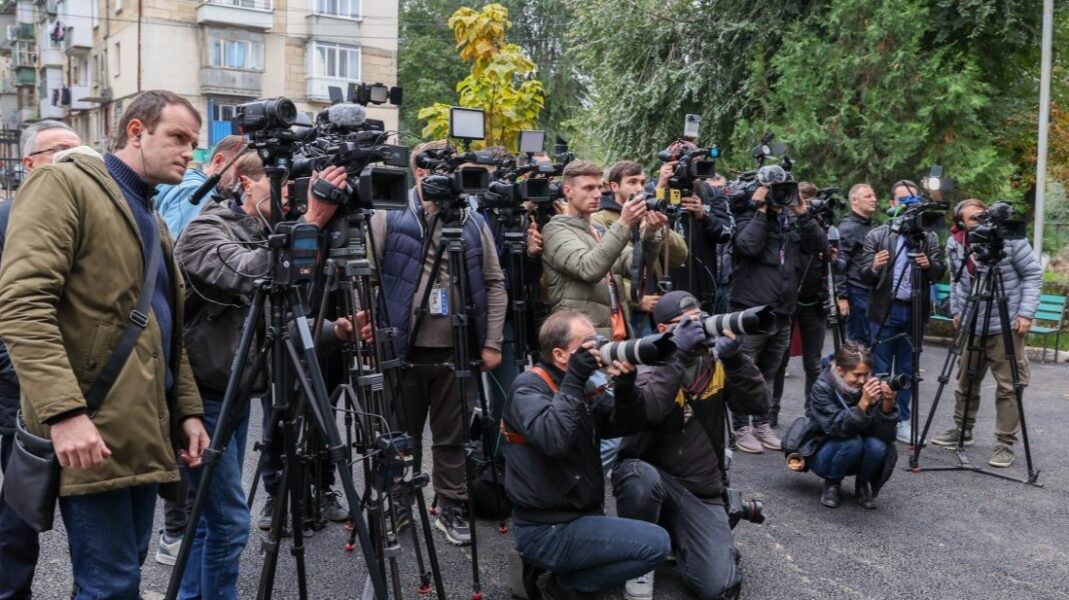
The Moldovan government cancelled this year’s Romanian Language Day concert as part of broader spending cuts. Officials said resources would instead be focused on celebrations marking Moldova’s Independence Day on August 27, while the traditional National Dictation event dedicated to the Romanian language will still take place. Prime Minister Vasile Tofan argued that the state, like citizens, must reduce spending during the current period.