INSIDE MOLDOVA Anti-Corruption Reforms Spark Debate | Vulcănești-Chișinău line is almost complete | Frauds doubled in 2025
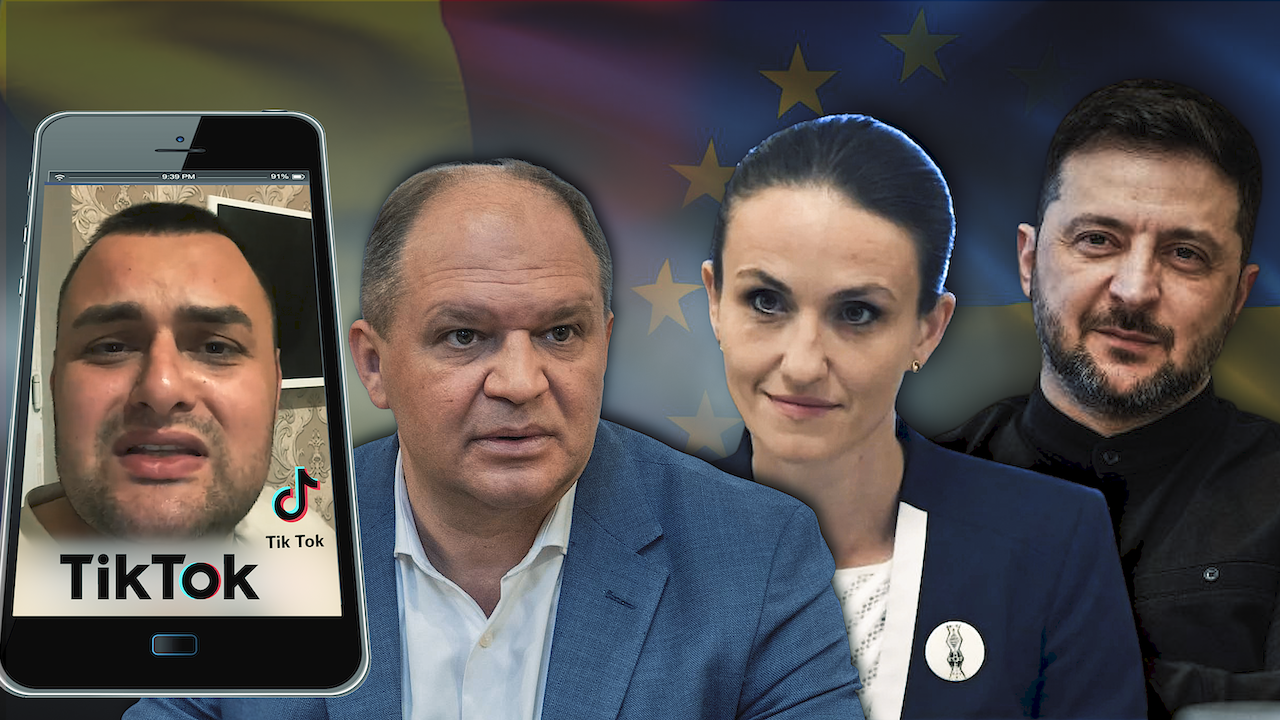
As Moldova accelerates its path toward European Union membership, the country is entering a crucial phase in its accession process. The European Union has announced that the accession process for Ukraine and Moldova will launch next week. Alongside its European ambitions, Moldova is strengthening strategic partnerships with regional and international allies, advancing major energy and transport infrastructure projects, and continuing complex justice and anti-corruption reforms.
At the same time, a series of political controversies, governance challenges, public safety concerns, and social debates have kept domestic tensions high.
Moldova moves closer to EU membership
The European Union has announced that the accession process for Ukraine and Moldova will launch next week. At a meeting in Brussels on Friday, ambassadors from the 27 EU nations agreed to officially recommence negotiations with the two countries in Luxembourg on Monday. Official negotiations with the European Union start with Cluster 1, called “Fundamentals.” This chapter focuses on democracy, the rule of law, human rights, public administration, and judicial reform.
To gain support, Moldovan representatives recently met with officials from Luxembourg, Romania, Slovakia, and Hungary. One important meeting took place between State Secretary Carolina Perebinos and a delegation from Luxembourg led by Gusty Graas.
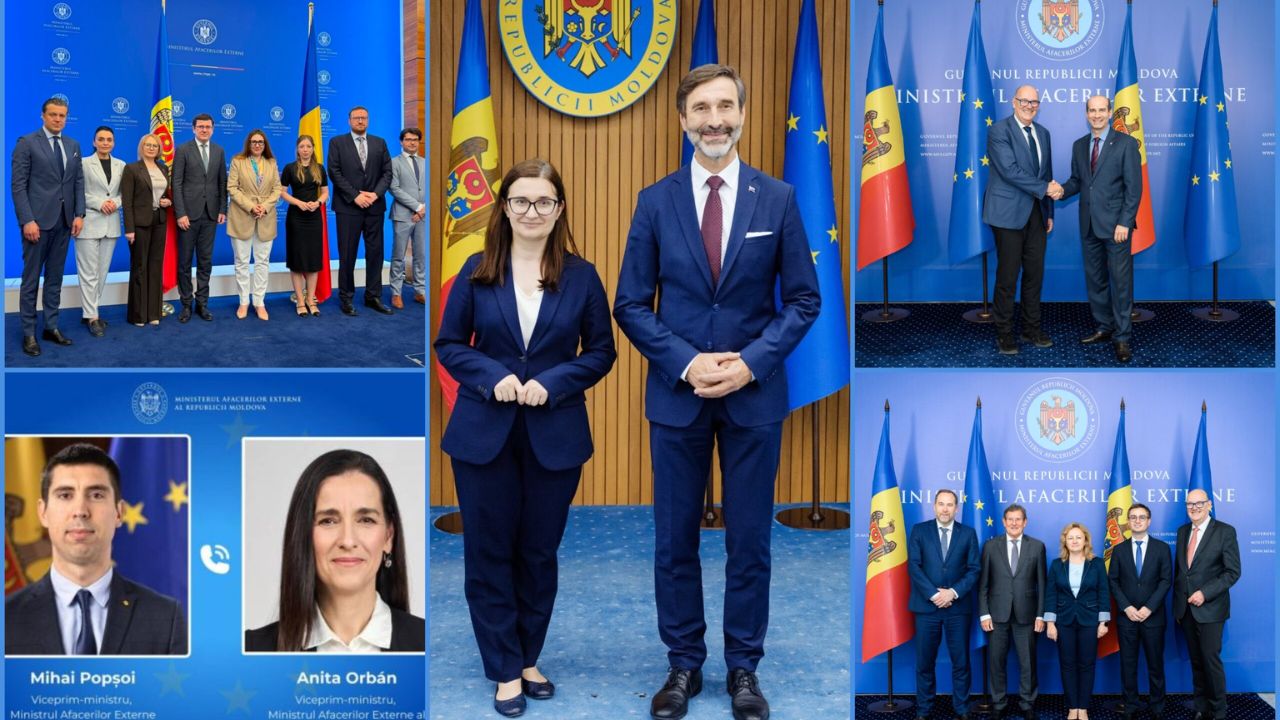
At the same time, members of Moldova’s Parliamentary Commission for European Integration visited Bucharest. They discussed how Moldova can access EU pre-accession funds and learned from Romania’s experience of joining the European Union in 2007. Romanian reforms continue to serve as an example for Moldova.
Another topic that attracted attention was a video call involving Deputy Prime Minister Cristina Gherasimov. Russian pranksters pretended to be Albania’s foreign minister and recorded the conversation. In the video, Gherasimov spoke about challenges in Moldova’s EU accession process and concerns about the government’s goal of signing an accession treaty by 2028. She later said the published clips were taken out of context.
Strengthening international partnerships
President Maia Sandu congratulated Armenian Prime Minister Nikol Pashinyan after his party won parliamentary elections. Sandu highlighted the shared commitment of Moldova and Armenia to democracy, stability, and peace. She also mentioned concerns about foreign interference during the election campaign.

Meanwhile, Moldova’s Parliament approved two new ambassador nominations. Inga Ionesii is expected to become ambassador to India, while Sergiu Gurduza is set to represent Moldova in Portugal.
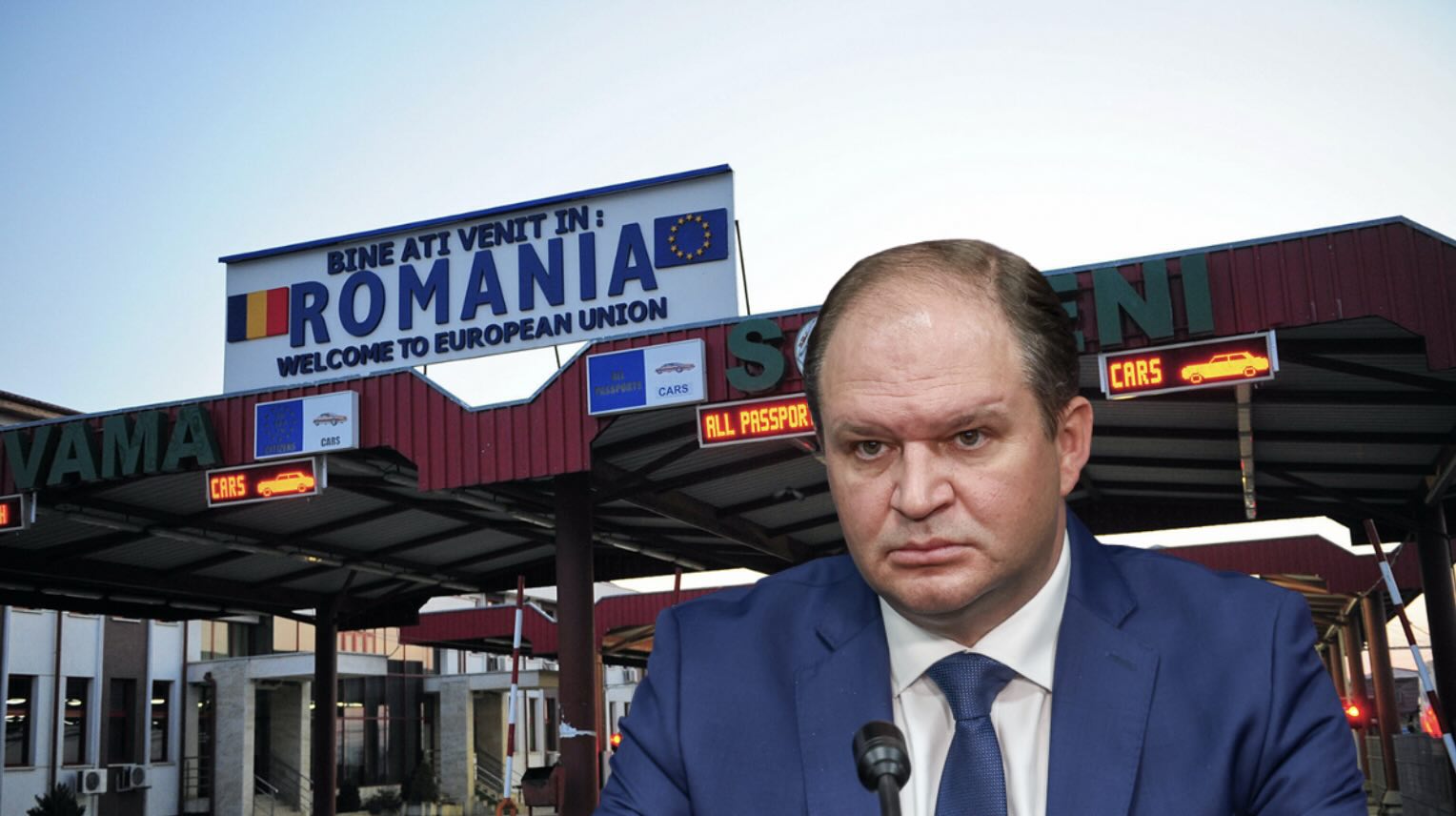
Relations with Romania also remained in the spotlight. Chișinău Mayor Ion Ceban lost a court case against Romania’s acting foreign minister, Oana Țoiu. The dispute followed statements about Ceban’s alleged connections to Russian actors. Romanian authorities also confirmed that Ceban is banned from entering Romania and the Schengen area for five years. Ceban denies the accusations and says the decision is politically motivated.
Major projects improve energy and transport links
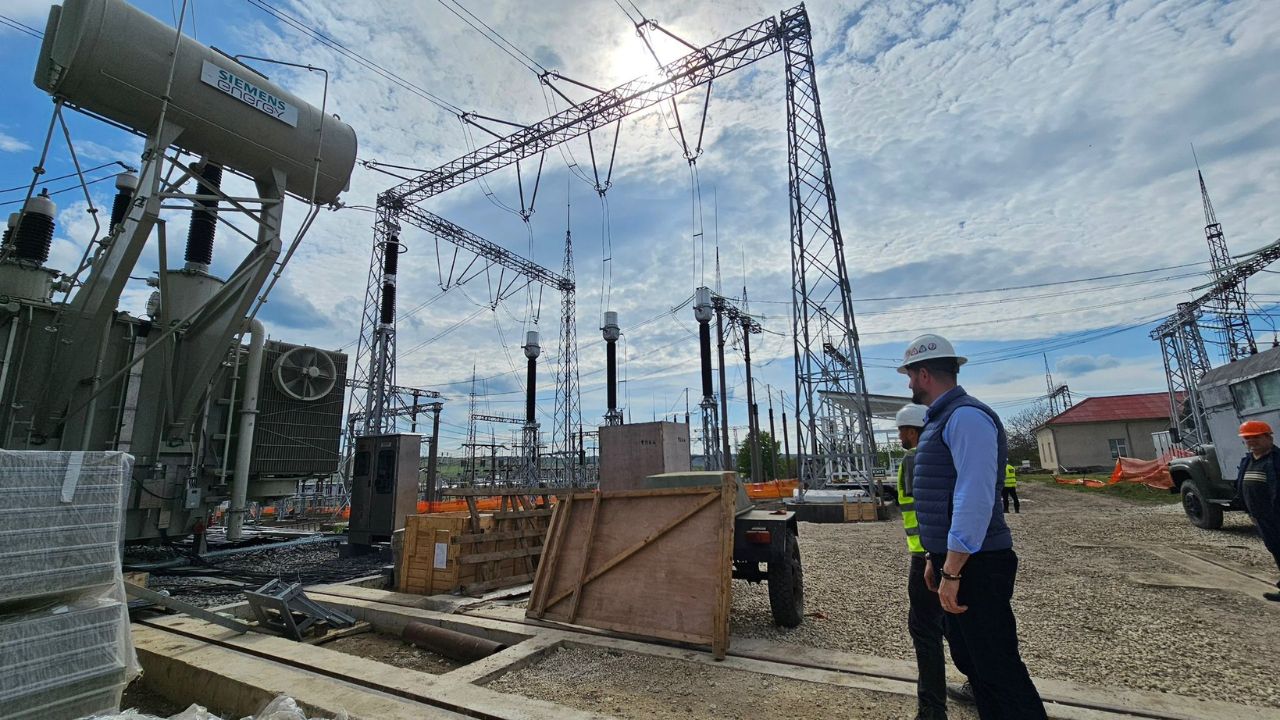
Construction of the Vulcănești-Chișinău high-voltage transmission line is almost complete. The Ministry of Energy announced that testing has finished and final preparations are underway. The project is expected to be completed by the end of June.
This transmission line is considered one of Moldova’s most important energy-security projects. It will allow electricity imported from Romania and European markets to reach central and northern Moldova directly, reducing dependence on older infrastructure. International loans worth €61 million are financing the project.
Moldova and Romania are also preparing a new agreement on strategic transport infrastructure. One of the key projects included is the future bridge across the Prut River at Ungheni. The agreement would also introduce coordinated border controls, making travel and trade easier.
New debates over anti-corruption reforms
The National Anticorruption Center carried out searches at a construction company and among local officials as part of an investigation into a wastewater project worth around 40 million lei in Costești, Ialoveni district. The company had previously appeared in investigations related to possible public procurement irregularities.
At the same time, the Legal Resources Centre of Moldova urged Parliament not to adopt proposed changes affecting anti-corruption institutions without a full assessment. According to the organization, the reforms would significantly change the balance of responsibilities between the Anticorruption Prosecutor’s Office and the National Anticorruption Center.
The Superior Council of Prosecutors also rejected a negative evaluation report concerning former deputy head of the Anticorruption Prosecutor’s Office, Vasile Plevan, allowing him to remain in the system. In contrast, the Vetting Commission announced that Ion Pripa failed an integrity assessment. These evaluations are part of Moldova’s broader justice reform process supported by the European Union.
The Ministry of Justice proposed new measures to prevent convicted individuals from avoiding prison sentences by fleeing to Transnistria. The changes would allow courts to immediately place absent defendants on wanted lists and introduce penalties for violating house arrest conditions.
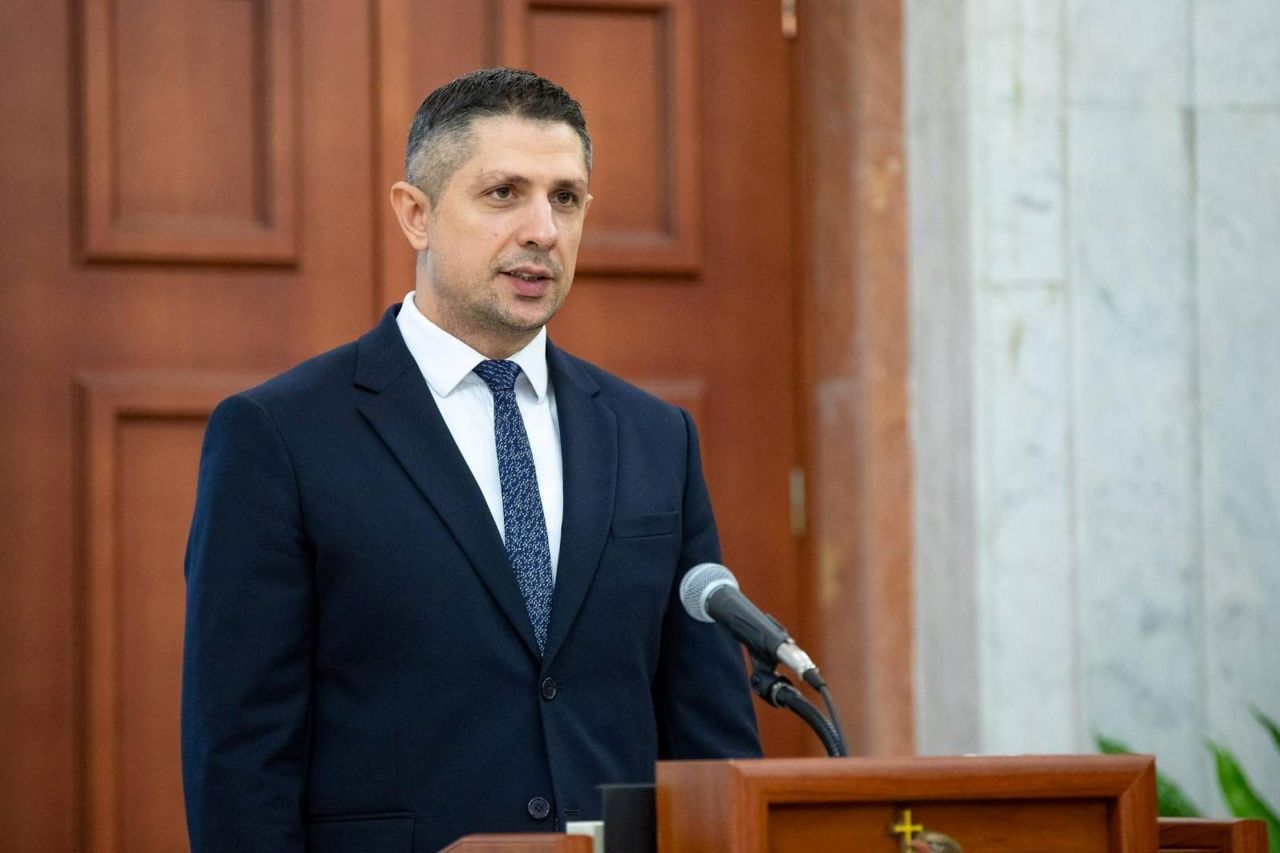
Another important legal development came from the European Court of Human Rights. The court ruled that Moldova must compensate former parliamentarian Valentina Cușnir because authorities failed to properly investigate allegations of police mistreatment during the April 2009 protests.
Income tax paid by individuals could decrease from 12% to 7% for annual incomes below 1 million lei. On Thursday, June 11, the Ministry of Finance launched public consultations on the draft fiscal policy for 2027. The document proposes a policy aimed at “simplifying the tax system, encouraging investment and economic growth, and strengthening a fair and consistent fiscal framework.”
Questions about oversight in education
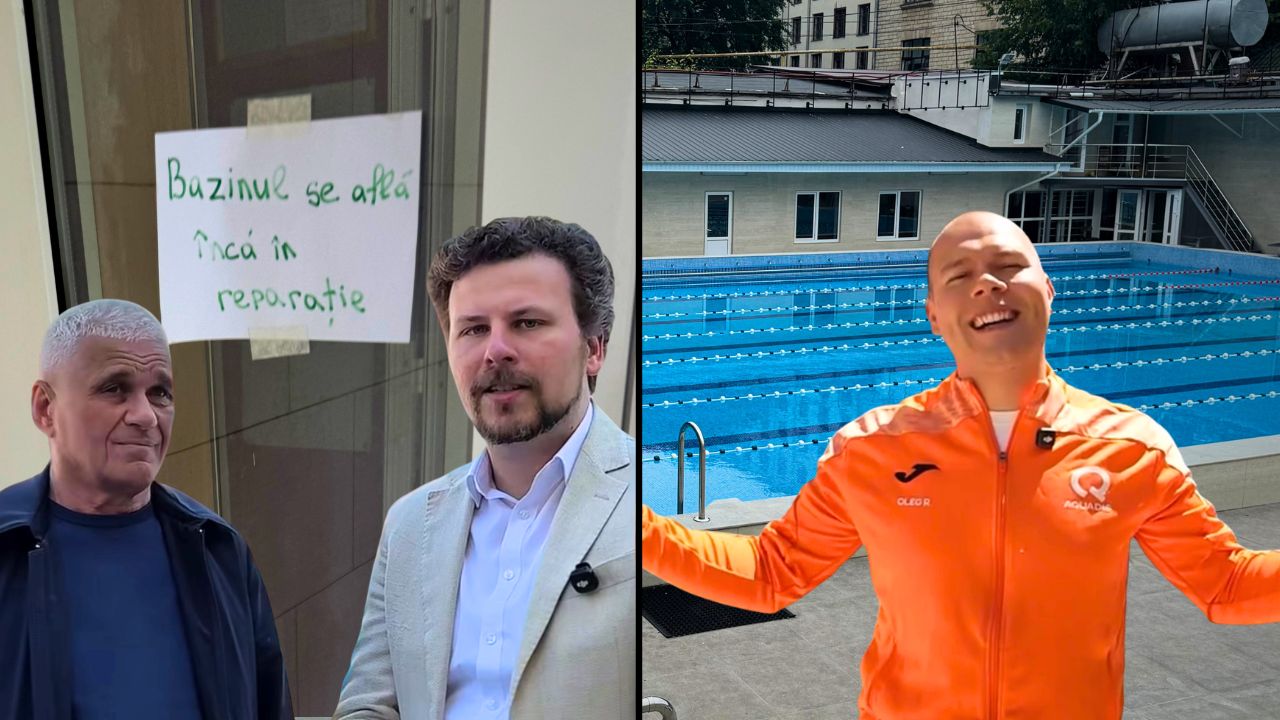
The Ministry of Education launched an investigation after ZdG revealed that a renovated swimming pool belonging to Moldova State University was already being used by a private swimming school before its official reopening. Authorities are now examining whether access was granted improperly.
The ministry also introduced new rules for simultaneous teaching in primary schools. This system, commonly used in rural areas with small numbers of students, allows one teacher to teach pupils from two grades at the same time.
Another case attracting public attention involves a private kindergarten in Chișinău that continues to operate despite losing its sanitary authorization almost nine months ago. Several legal disputes between authorities and the institution are still ongoing.
Cybercrime and public safety concerns grow
Authorities warned that online and telephone scams are increasing rapidly. According to law enforcement officials, losses caused by cyber fraud doubled in 2025 and reached 272 million lei. Investigators stressed that public awareness remains the best defense against these increasingly sophisticated schemes.
Prosecutors also announced that a former gendarmerie officer and his fiancée have been sent to trial for allegedly exploiting three teenage girls in Chișinău.
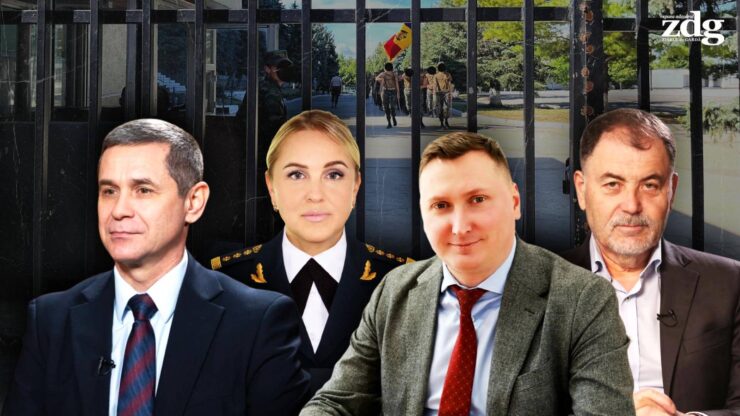
At the same time, ZdG highlighted mental health challenges within Moldova’s armed forces. ZdG collected data that showed that 113 servicemen have died during military service over the last three decades, despite Moldova not participating in military conflicts. Experts argue that many recruits enter service with serious social and psychological difficulties, raising concerns about recruitment practices and suicide prevention.
The administrator of a viral TikTok account, is being investigated in a criminal case related to war propaganda. According to the investigation, he is suspected of repeatedly posting content on TikTok, YouTube, and other online platforms that allegedly promotes and justifies aggressive military actions, encourages war and the expansion of armed conflicts, and incites hatred and social discrimination.
Religion, culture, and political tensions continue
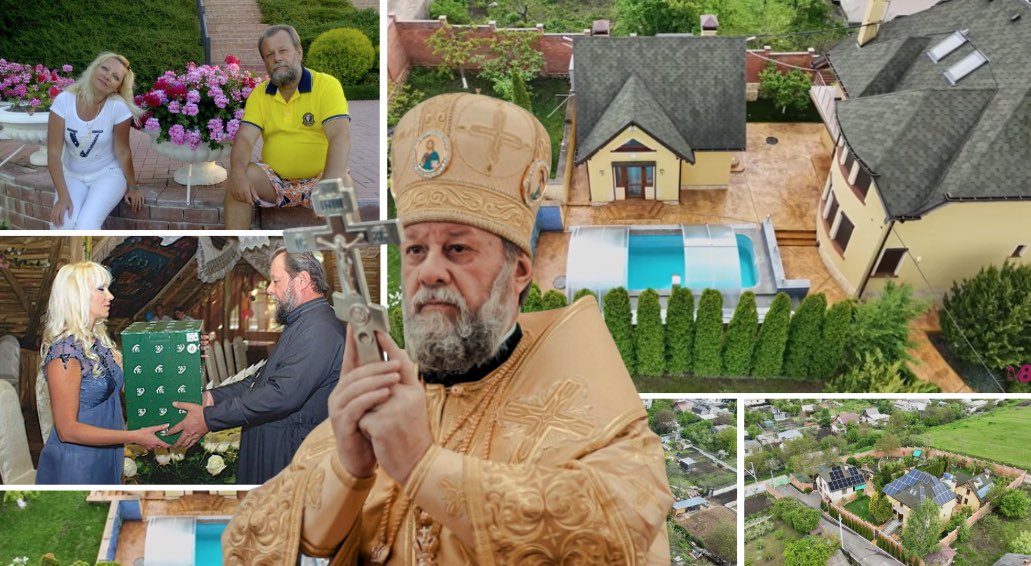
Metropolitan Vladimir, the head of the Moldovan Orthodox Church under the Moscow Patriarchate, accused the media of conducting a campaign against him after new reports revisited allegations related to luxury properties. Journalists confirmed that he still lives in a villa that had been the subject of ZdG investigations more than ten years ago. The dispute has developed into a broader legal and public debate about church assets.
Another controversy emerged after the demolition of “Open Apartment,” a cultural and educational space in central Chișinău that had operated for more than a decade. Cultural organizations criticized the decision, while Mayor Ion Ceban connected the issue to wider debates about LGBT-related events and municipal policies. Ceban made multiple public statements where he mentioned being against LGBT movements. The demolition sparked protests and discussions about public spaces and cultural freedom.
Meanwhile, Moldova’s autonomous region of Gagauzia remains in a deep political crisis. The mandate of the regional legislature has expired, several election dates have been canceled, the regional electoral authority is not functioning, and new elections must be organized following the conviction of former governor Evghenia Guțul. Analysts believe the situation reflects deeper political disagreements within the region rather than only procedural problems.