Taliban delegation visits Moldova | Government proposes major tax changes | Energy and water restrictions continue

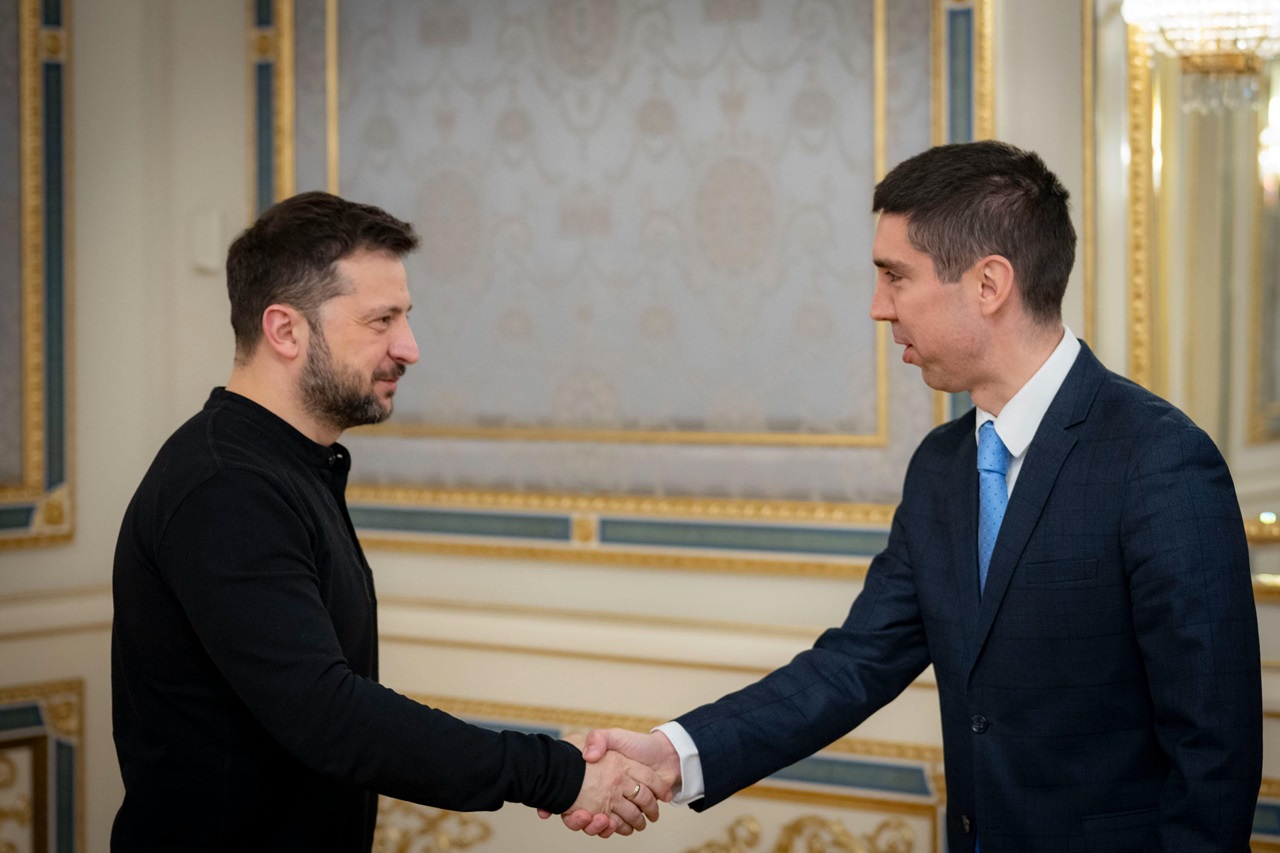
Moldova’s relations with neighboring Ukraine were among the key developments this week, as Foreign Minister Mihai Popșoi traveled to Kyiv for talks with President Volodymyr Zelensky and Ukrainian officials. Discussions focused on regional security, bilateral cooperation, Moldova’s support for Ukraine and the two countries’ common European path, as well as cooperation in transport, infrastructure, energy and management of the Dniester River basin.
At home, authorities continued dealing with pressure on Moldova’s energy system and historically low water levels in the Dniester. The government introduced additional restrictions on non-essential water use and urged citizens to reduce electricity consumption during peak hours. Meanwhile, the government unveiled a broad package of proposed tax changes for 2027, including lower taxation of labor, incentives for reinvestment and higher taxes on banks, dividends and certain products.
The week also brought several political and institutional developments. Liliana Vițu resigned as president of the Audiovisual Council before taking over the leadership of Moldova’s Center for Strategic Communication and Countering Disinformation. The activity of former presidential candidate Irina Vlah’s Republican Party “Heart of Moldova” was restricted for 12 months, while an AIPA official was detained in an influence-peddling case.
Mihai Popșoi meets Zelensky in Kyiv
Foreign Minister Mihai Popșoi visited Ukraine, where he met President Volodymyr Zelensky and his Ukrainian counterpart Andrii Sybiha. The discussions covered regional security, bilateral cooperation, Moldova’s support for Ukraine and the two countries’ shared European path. The officials also discussed cooperation in transport, infrastructure and energy, as well as the hydrological situation in the Dniester River basin.
During the visit, Popșoi paid tribute to Ukrainians killed in Russia’s war against Ukraine. Together with Ukrainian officials, he visited Kyiv’s Lukianivska metro station, which was heavily damaged by Russian attacks, before paying tribute at Independence Square to Ukrainians who died defending the country. Popșoi reiterated Moldova’s support for a just and lasting peace based on respect for Ukraine’s independence, sovereignty and territorial integrity within its internationally recognized borders.
Separately, President Maia Sandu awarded the Order of Honour to Fred Duijn, the Netherlands’ first resident ambassador to Moldova, as he concluded his mandate. Sandu thanked him for the Netherlands’ support for democratic reforms, the rule of law, justice reform, vetting and Moldova’s resilience against hybrid threats, highlighting the contribution of this cooperation to Moldova’s EU accession process.
Government proposes major tax changes for 2027
The Moldovan government proposed a broad package of fiscal changes for 2027 aimed at reducing the tax burden on labor, encouraging investment and increasing taxation in several other areas. Prime Minister Vasile Tofan said the objective was to create a tax system that is “simpler, fairer and harder to circumvent.”
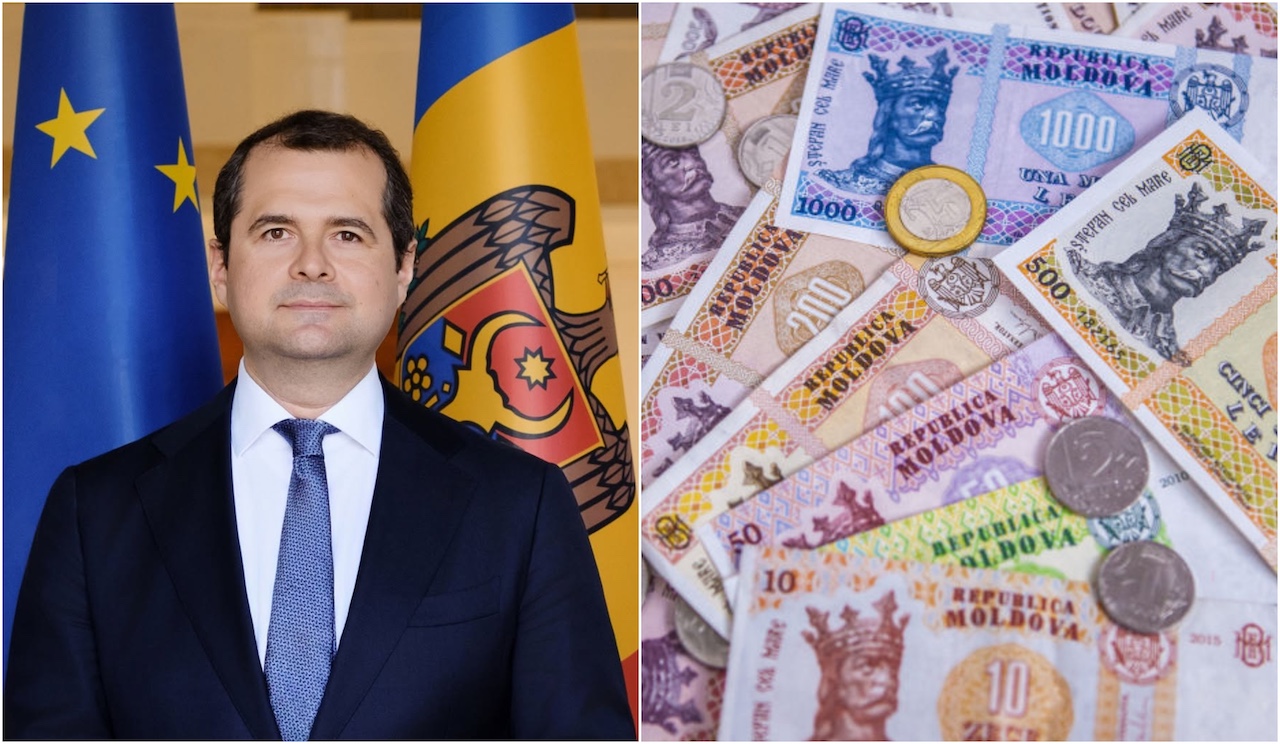
One of the main proposals is a 35% increase in the annual personal tax allowance, from 29,700 lei to 40,000 lei. The government estimates the measure would leave approximately 800 million lei in employees’ pockets and help reduce undeclared employment. The 0% tax facility for reinvested profits would also be expanded to companies with assets or turnover of up to 200 million lei, compared with the current 100-million-lei threshold.
At the same time, dividend taxation would increase from 6% to 8%, while capital gains taxation would double from 6% to 12%. Banks and financial institutions would face a temporary increase in income tax from 12% to 18% for 2027. The package also proposes higher taxation of gambling, a 50% increase in excise duties on vaping products, excise duties on sugary and energy drinks and a 25% excise duty on pyrotechnic products.
The government proposes keeping the reduced 8% VAT rate for basic food products and medicines, while applying a 12% rate to other food products, agriculture, HoReCa and tourism. Goods ordered through foreign online platforms would become subject to VAT and an additional fixed fee of 12 lei per parcel, a measure the government says is intended to ensure fairer competition with local retailers.
Taliban government representatives visit Moldova
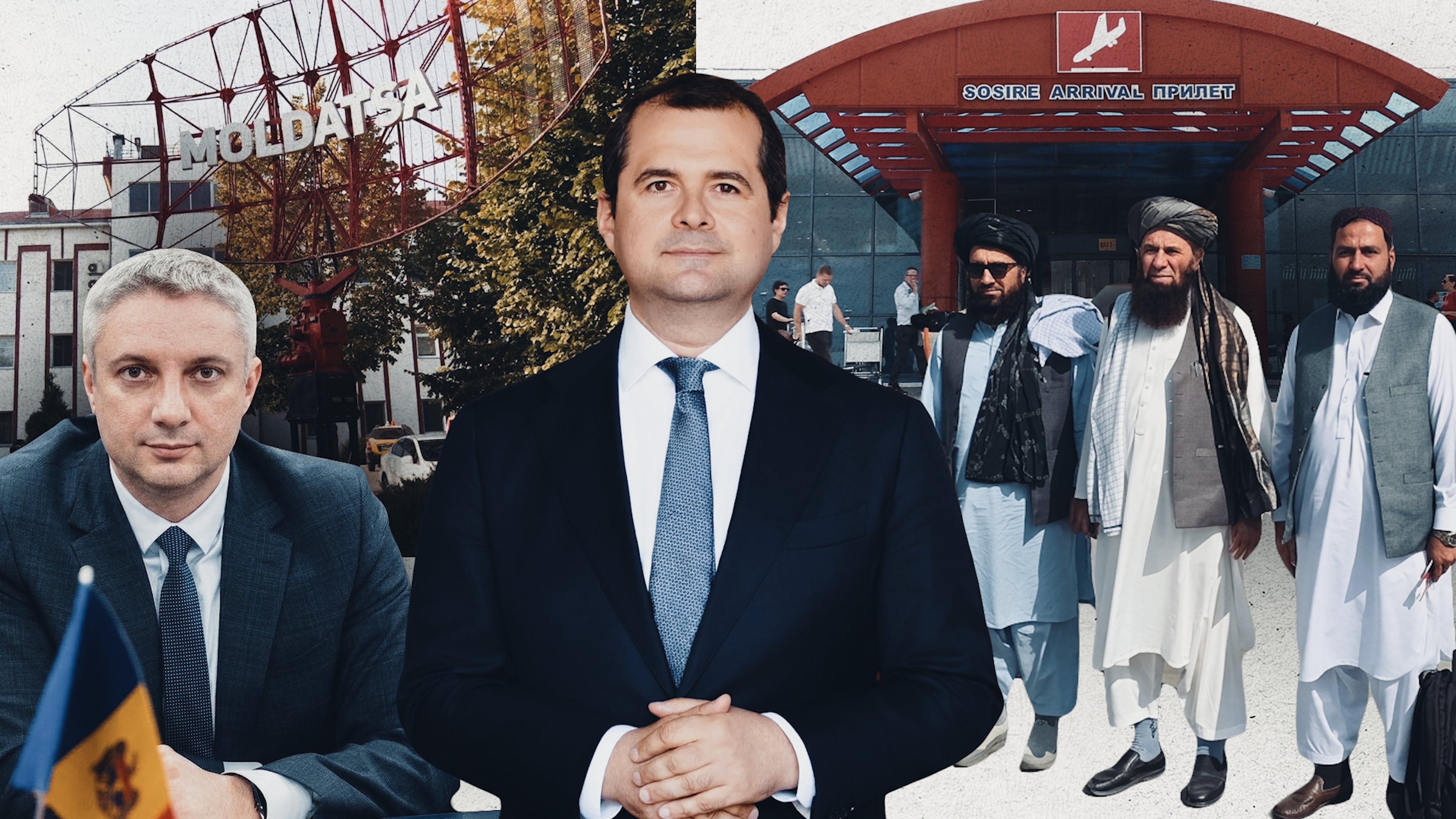
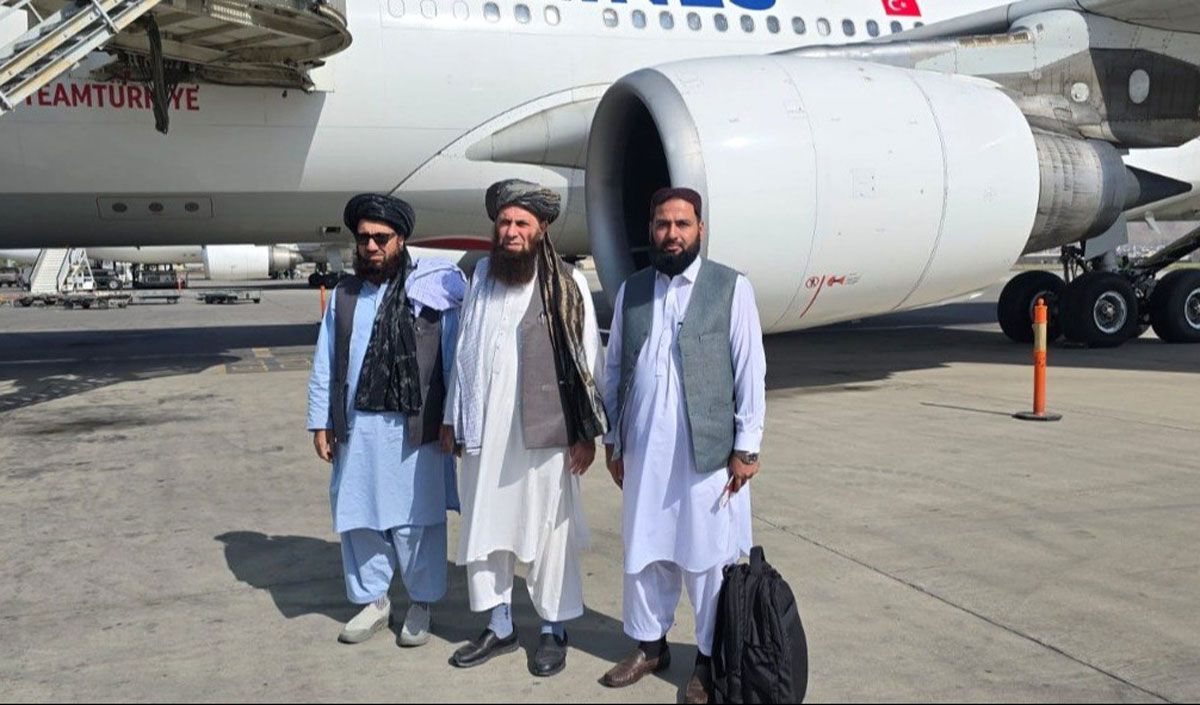
Representatives of Afghanistan’s Taliban-led Ministry of Agriculture visited Moldova after receiving entry visas to meet Moldovan businesses interested in expanding exports to the Afghan market. The Foreign Ministry confirmed that the delegation had received visas and said its members were not subject to international sanctions.
State Secretary at the Ministry of Agriculture Vasile Șarban said Moldova had not issued an official invitation to the Afghan government, but acknowledged signing a request asking the Foreign Ministry to facilitate the entry of three representatives. He argued that Moldovan authorities had a responsibility to support domestic businesses seeking new export opportunities.
Prime Minister Vasile Tofan reacted critically to the visit, describing the situation as “embarrassing and unacceptable.” Afghan media reported that the delegation was headed by Deputy Agriculture Minister Sadr Azam Osmani and was scheduled to remain in Moldova until August 7. According to the information cited in the document, there was no public evidence that Osmani was included on international sanctions lists.
Heart of Moldova party restricted for 12 months
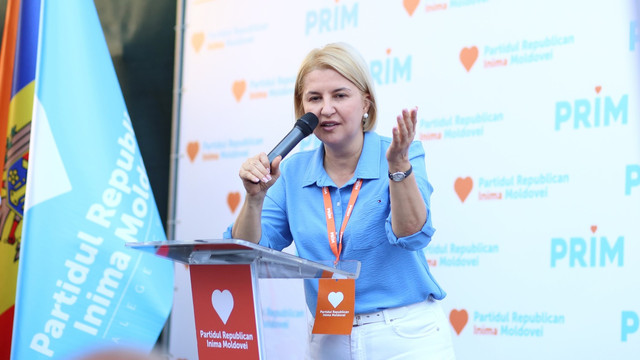
The activity of the Republican Party “Heart of Moldova,” led by former presidential candidate Irina Vlah, was restricted for 12 months following a ruling by the Central Court of Appeal. The decision is final and enforceable, although it can be challenged within ten days. The Central Electoral Commission had previously notified the ministry about elements that it said raised “reasonable suspicions” regarding the legality of the party’s financing. Heart of Moldova was part of the Patriotic Electoral Bloc alongside the Socialists, Communists and Future of Moldova during the 2025 parliamentary election period.
Liliana Vițu resigned as president of Moldova’s Audiovisual Council after five years in office. Aneta Gonța, previously vice-president of the Council, was appointed to replace her. At the same time, Ana Revenco announced the end of her mandate as director of the Center for Strategic Communication and Countering Disinformation, an institution she had led since being appointed by Parliament in October 2023. The position was subsequently taken over by Liliana Vițu.
Tatiana Vozian, a former senior official at Moldova’s Court of Accounts, is to be reinstated after winning a case before the Central Court of Appeal. Vozian had claimed she was dismissed after publicly accusing the institution’s former president, Marian Lupu, of making sexual advances toward her. The Court of Accounts was also ordered to calculate and pay Vozian the salary she would have received during her forced absence from September 2023 until her reinstatement. The institution said it acknowledged the court’s decision and respected the role and independence of the judiciary, declining to comment on the substance of the ruling.
The Public Property Agency (APP) has referred the case to the National Integrity Authority (ANI), requesting that it examine the assets and personal interests of Dumitru Vangheli, former administrator of the state-owned enterprise Moldatsa. The information was provided by the APP in response to a request from Ziarul de Gardă regarding the results of an internal investigation launched following the publication of ZdG’s investigation into the former head of the enterprise’s CV containing false information, his business activities, and his management of Moldatsa.
AIPA official detained in influence-peddling case
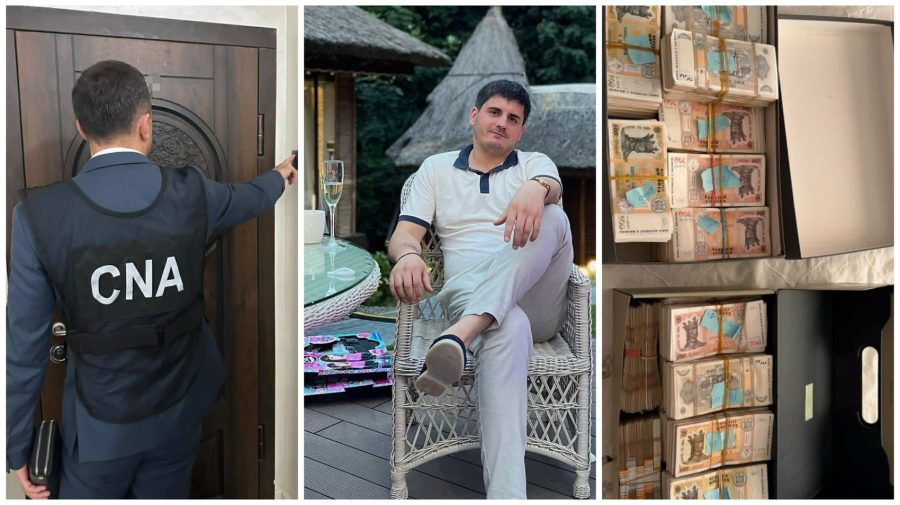
Ștefan Eremia, a department head at Moldova’s Agency for Intervention and Payments for Agriculture (AIPA), was detained by officers of the National Anticorruption Center and prosecutors in an influence-peddling investigation. He was subsequently placed in preventive detention for 30 days. According to investigators, Eremia allegedly requested and received a total of 130,000 lei from a business representative, claiming he could influence members of an AIPA commission to secure approval of a subsidy application. Eremia denies wrongdoing and said the money came from gifts received at his wedding.
Separately, the National Integrity Authority opened an investigation into the assets of former PAS MP Alexandr Trubca after a TV8 investigation raised questions about multimillion investments in a real estate project and their sources of financing. Trubca had resigned from Parliament following the investigation.
The Constitutional Court subsequently validated the parliamentary mandates of PAS substitute candidates Roman Roșca and Victor Mătrăgună, who will fill the seats left vacant following the resignations of Alexandr Trubca and Victoria Belous.
Authorities urge Moldovans to reduce electricity consumption
Moldova also continued facing pressure on its electricity system, with authorities asking citizens to reduce consumption, particularly during peak hours. The country’s energy situation became more vulnerable after the Vulcănești–Isaccea transmission line was disconnected following attacks on Ukrainian energy infrastructure in March 2026.
According to the government, the line had supplied around 60–70% of electricity consumption on the right bank of the Dniester, while the potential peak-hour deficit was estimated at 350–400 MW. Authorities responded by reducing lighting in public and commercial buildings, limiting decorative and advertising lighting and encouraging energy-intensive industrial activities to operate outside peak hours.
Citizens were also encouraged to limit electricity consumption during periods when the grid is under the greatest pressure. Authorities recommended switching off lights in unused rooms, avoiding the simultaneous use of high-consumption appliances and using energy-efficient equipment. The government said reducing demand during critical hours can help prevent grid overload and maintain stable electricity supplies for households and essential infrastructure.
Environment Minister Gheorghe Hajder warned that the water level at Ukraine’s Novodnistrovsk reservoir was falling significantly and urged Moldovans to use water responsibly. The National Crisis Management Commission approved additional measures to address the low water levels in the Dniester. Authorities restricted the use of drinking water and surface water for non-essential purposes, including washing streets and sidewalks and filling swimming pools and recreational basins. Water supplies are to be prioritized for the population’s essential needs.