INSIDE MOLDOVA Russian drone explodes near Ukrainian border | Moldova cuts rail tariffs for Ukrainian exports | EU integration and economic reforms advance


Security concerns linked to Russia’s war against Ukraine dominated developments in Moldova this week after a combat drone exploded near the Ukrainian border and another Russian-type drone crossed Moldovan airspace the following night. Moldova also expanded its role as a transit route for Ukrainian exports, while developments around EU enlargement kept the country’s European integration process in focus.
At home, the government advanced several economic reforms, while investigations into the metal-scrap market and the suspected intentional insolvency of an agricultural company, both investigated by ZdG, brought corruption and business practices back into the spotlight.
EU enlargement gains momentum as Moldova advances toward membership
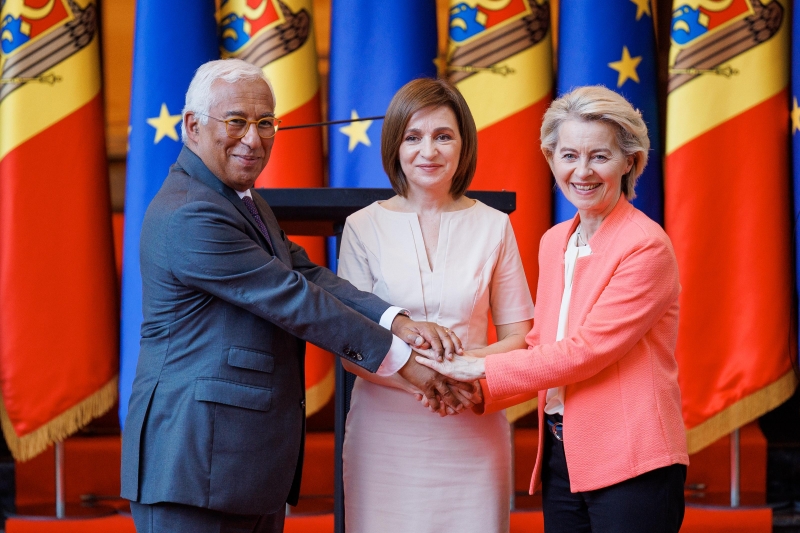
Moldova’s European integration remained in focus as EU enlargement enters what could become a decisive period. Montenegro is approaching the end of accession negotiations, Albania is advancing, while Moldova and Ukraine continue moving toward membership. European officials say more negotiating chapters have been closed over the past six months than during the previous decade, while Brussels is increasingly debating how an EU of 30 or more members would function.
Moldova and Ukraine were granted candidate status in 2022 and formally opened accession negotiations in 2024, with EU integration now shaping much of Chișinău’s domestic reform agenda.
Combat drone explodes near Moldova’s border with Ukraine
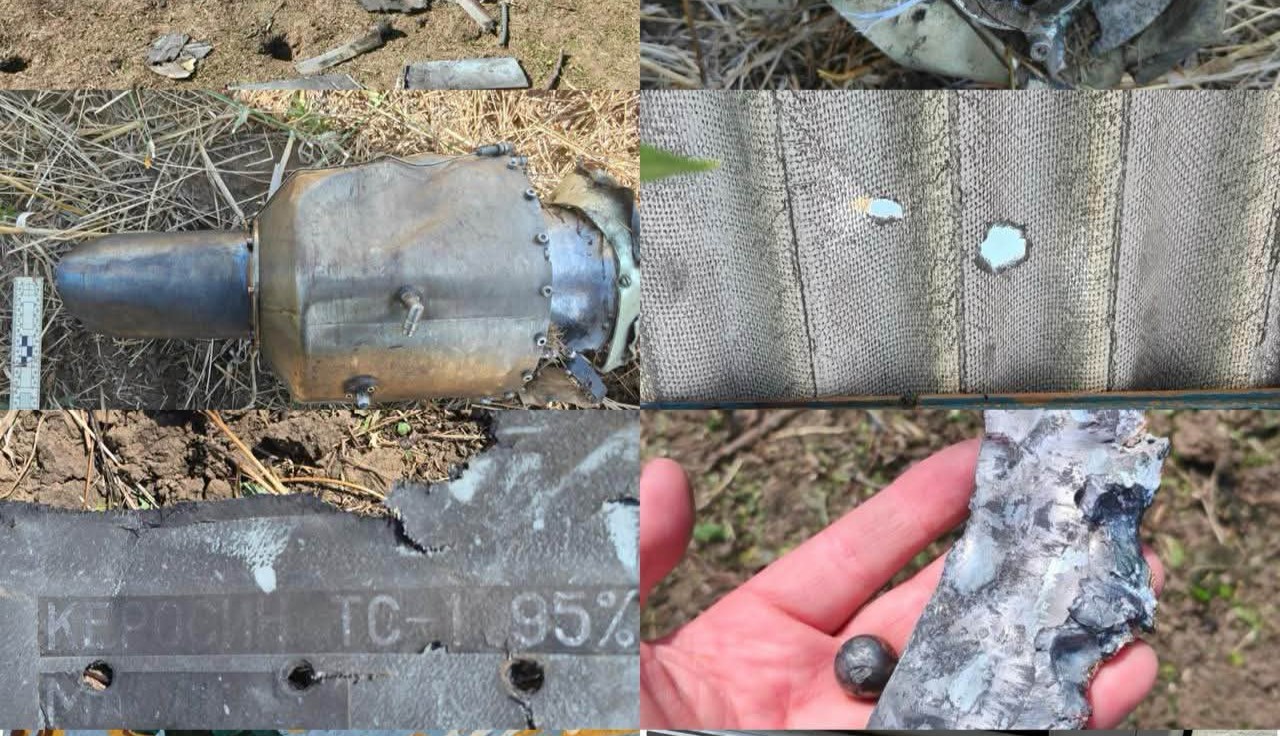
A combat drone exploded on August 9 near Crocmaz, a village in the Ștefan Vodă district close to Moldova’s border with Ukraine’s Odesa region. Police said fragments recovered at the scene resembled components of a guided missile, suggesting the aircraft may have been a type of “missile drone” — the first such case recorded in Moldova. The aircraft reportedly struck a tree and exploded at a height of around 2.5 meters, with damage recorded almost 800 meters away and windows shattered at some nearby homes. Moldova recalled its ambassador to Moscow for consultations and strongly condemned the incident.
The following night, another aircraft resembling a Russian Geran-3, also known as the Shahed-238, entered Moldova from the Odesa region and remained in its airspace for approximately one minute. Prime Minister Vasile Tofan said Russia’s war was directly affecting Moldova and called for stronger measures to protect the country’s airspace.
Moldova offers cheaper rail transit for Ukrainian exports
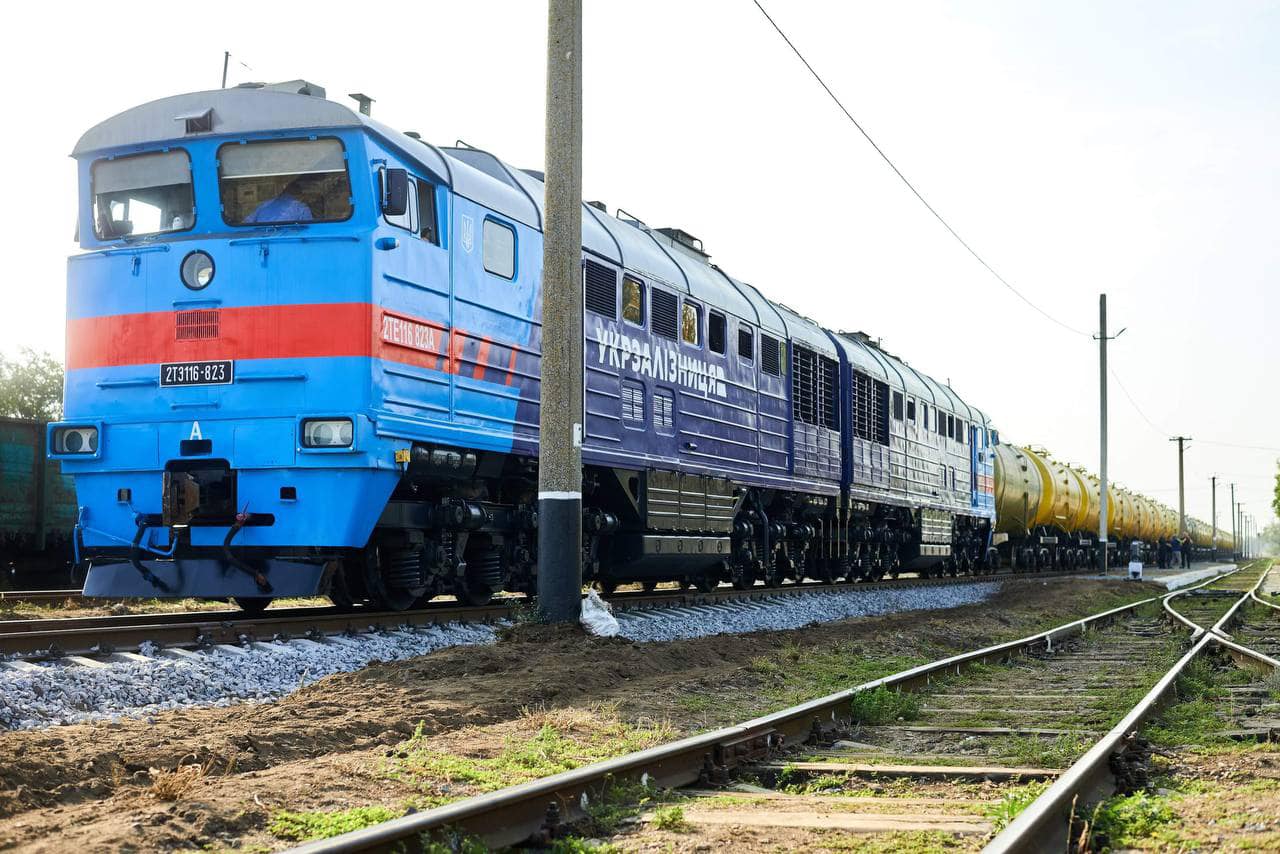
Moldova strengthened its role as an alternative transit route for neighboring Ukraine as Russian attacks continued to put pressure on Ukrainian Black Sea port infrastructure. From August 10 until the end of 2026, Ukrainian exporters will receive a 50% reduction in rail transit tariffs for goods transported through Moldova.

Ukraine plans to transport up to six million tonnes through different regional routes during the 2026 agricultural year, and Chișinău hopes to attract roughly 10% of that volume. The government argues that the additional traffic will generate revenue despite the discount.
The agreement comes as Moldova’s state railway company, Calea Ferată din Moldova (CFM), shows signs of recovery after years of financial difficulties: it reported a profit of around 18 million lei for the first half of 2026, with revenues rising from 306.2 million lei to 405.5 million lei year-on-year while expenses declined.
Metal-scrap market under scrutiny amid corruption allegations
A Ziarul de Gardă investigation examined Moldova’s metal-scrap market seven years after it was demonopolized, finding that state-owned Metalferos has operated at a loss for four consecutive years while several private groups have expanded their influence. A criminal investigation involving Sofilarex Plus was opened after a former business partner alleged that former governing PAS MP Alexandr Trubca requested and received €200,000 from businessman Valentin Eșanu in exchange for promoting a legislative amendment that would have helped the company address undeclared money in its accounts. Both deny the allegations.
Other major players have political or historical connections: businessman Serghei Preanicov, a former PAS donor, was included by Moldova’s Intelligence and Security Service in 2024 on a list of people it associated with former oligarch Vladimir Plahotniuc, although he denies such links.
Oleg Babii, whose BPM-Trade supplies the metallurgical plant in Moldova’s breakaway Transnistrian region, has donated to the opposition Our Party.

Agricultural company investigated over alleged intentional insolvency
Moldovan prosecutors are investigating agricultural company Agrounire for suspected fraud and intentional insolvency after officers from the Prosecutor’s Office for Combating Organized Crime and Special Cases (PCCOCS) carried out searches on August 10. „Agrounire” entered insolvency proceedings in September 2025 after declaring that it lacked sufficient funds to pay its debts, shows Ziarul de Gardă investigation.
The criminal case was reportedly launched following complaints from two businesses that had supplied the company with sunflower seeds but were not paid. Just weeks before seeking insolvency, „Agrounire” signed 24 assignment agreements with an affiliated company, taking over claims worth tens of millions of lei, including claims against debtors that were themselves insolvent.
Prosecutors suspect the company may have sought to avoid paying for goods and fictitiously dispose of assets, while a lawyer representing two creditors alleges that its creditor pool was artificially inflated. Agrounire’s lawyer rejects the allegations and says the company faced a genuine liquidity shortage.

Government advances economic, education and energy reforms
The government approved several other reforms this week. Foreign-exchange transactions of up to €100,000 will be possible without authorization from the National Bank of Moldova, compared with the current €10,000 threshold, with the limit set to rise to €250,000 in 2028. Moldova’s electricity transmission operator Moldelectrica is also set to become a fully state-owned joint-stock company, a change linked to the country’s commitments to international partners and the European Energy Community.
The Moldovan government also approved a new investment framework this week, under which investments of at least €25 million could receive land-related facilities and projects worth €50 million or more could qualify for special investment agreements with the state.
Meanwhile, education unions threatened protests and demanded higher teacher salaries from September 1, as the government prepares a new public-sector salary law. The Education Ministry is also planning curriculum changes for 2027, including earlier computer science classes, more Romanian-language instruction for non-native speakers and changes to the teaching of technology, health, history and gender-equality topics.
The government also adopted a national disaster-risk reduction program for 2026–2030 aimed at improving Moldova’s preparedness for droughts, floods, hail and torrential rain.