INSIDE MOLDOVA Russian drones repeatedly breach Moldovan airspace | Gas prices rise | Teachers protest over salaries | EU accession and Gagauzia developments advance


Security concerns linked to Russia’s war against Ukraine remained high in Moldova this week after a series of drones entered or crashed in the country amid Russian attacks on neighboring Ukraine. At the same time, Moldova entered another important stage of its EU accession process, with authorities facing new reform deadlines as they seek to meet the conditions required for membership by the end of President Maia Sandu’s current mandate.
At home, a sharp increase in natural gas tariffs and protests by teachers over salaries put economic and social pressures in focus. Political and judicial developments in Gagauzia also accelerated, while new information about the Russian-controlled ammunition depot in Cobasna and several high-profile court cases remained in the public spotlight.
Moldova faces new deadlines on its path toward EU membership
Moldova is entering an important period in its European integration process, with authorities in Chișinău required to fulfill a series of commitments by September 1 and additional objectives in October, after which another stage of evaluation is expected. President Maia Sandu said the authorities aim to meet all the conditions necessary for accession by the end of her presidential mandate in 2028.
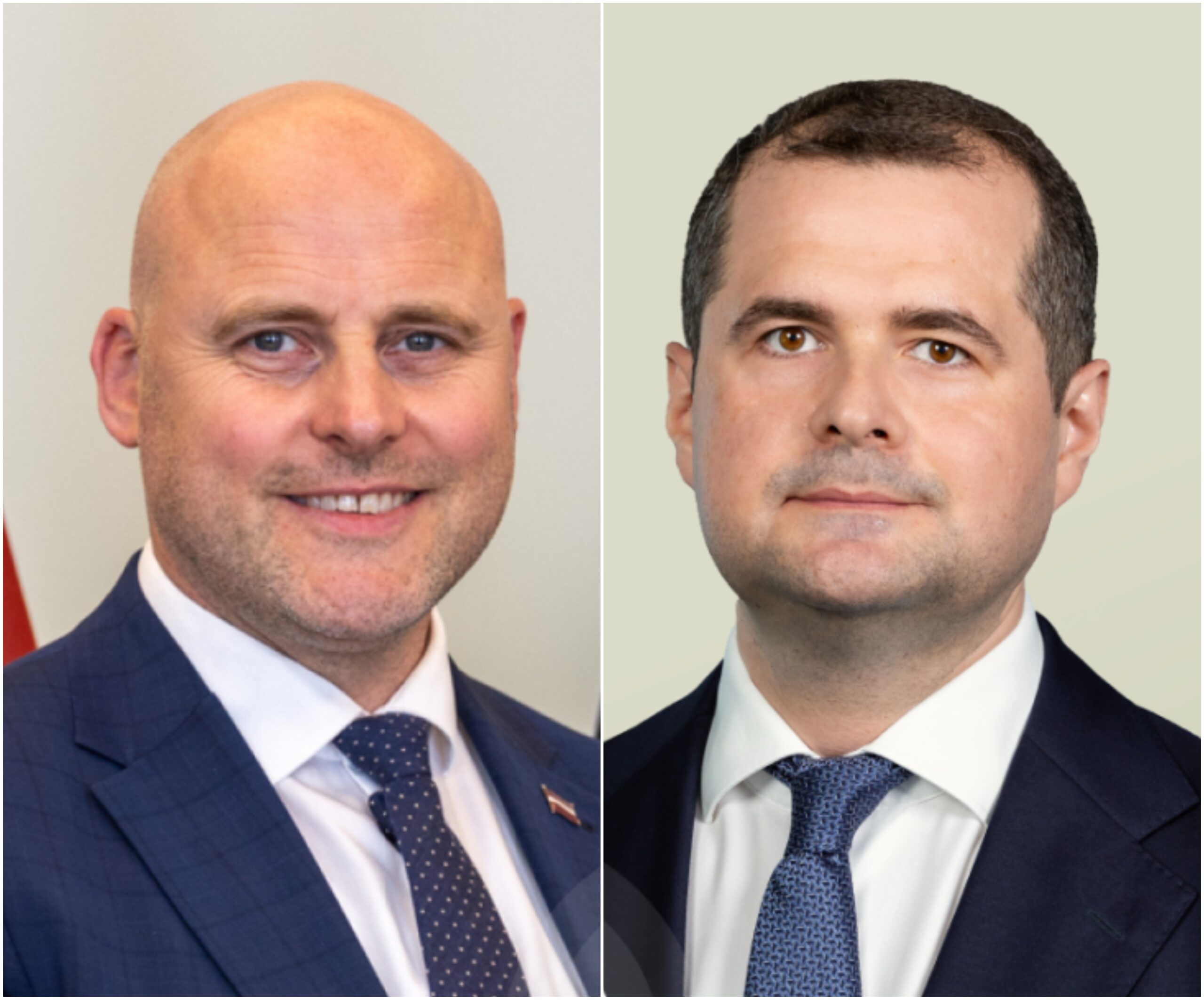
Meanwhile, Prime Minister Vasile Tofan held a telephone conversation with his Latvian counterpart Andris Kulbergs, who reaffirmed Latvia’s support for Moldova’s accession to the European Union and its willingness to share the country’s experience. According to the government, the two officials also discussed measures needed to advance Moldova’s European path and further exchanges of expertise between institutions in the two countries.
Drone incidents continue amid Russian attacks on Ukraine
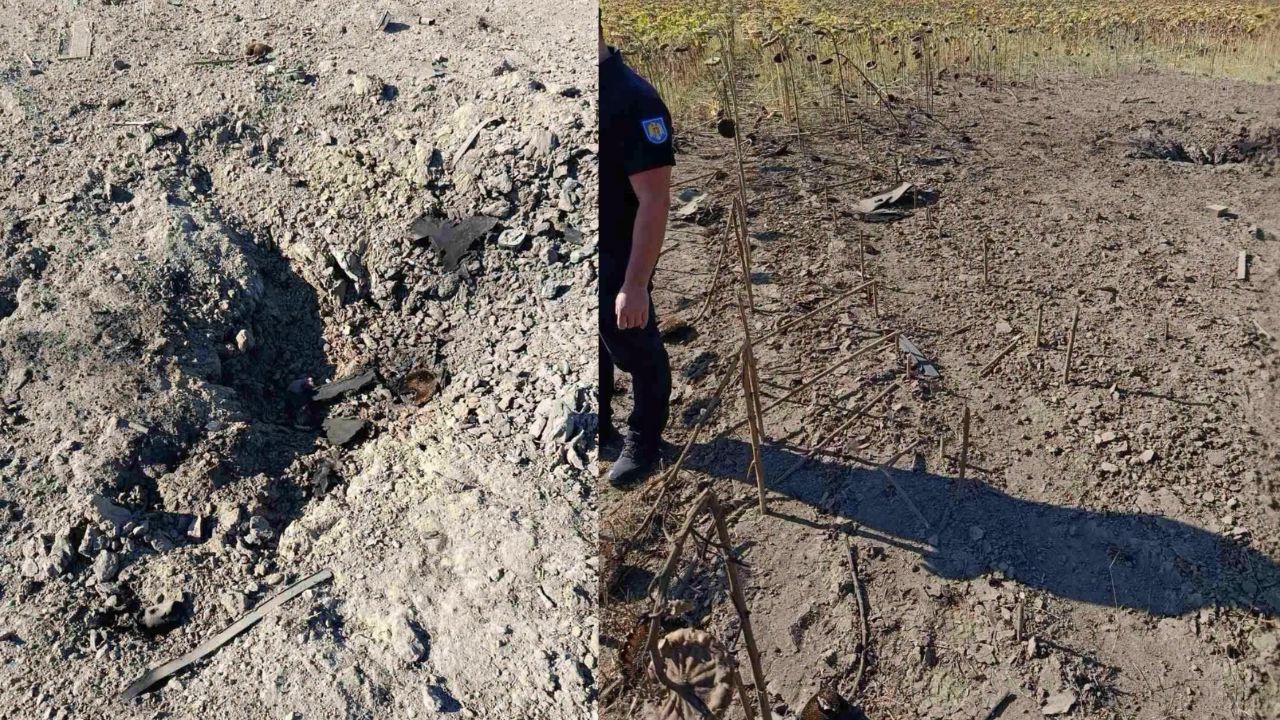
Moldova recorded a series of drone incidents this week amid large-scale Russian attacks on Ukraine. On August 16, a Shahed-type drone crossed Moldovan airspace over the village of Etulia in Gagauzia. The following day, another aircraft that entered Moldova exploded in a cornfield approximately three kilometers from Talmaza, Ștefan Vodă district, setting nearby vegetation on fire.
Further incidents were recorded following Russian attacks on Ukrainian port infrastructure near Reni during the night of August 19–20, while another drone-related incident was reported near the Moldovan-Ukrainian border on Friday. Authorities said no casualties were recorded and condemned the increasingly frequent incidents, warning citizens not to approach aircraft debris, ammunition or other unidentified objects and to immediately alert law enforcement.
Gas prices rise as Moldova faces renewed energy pressure
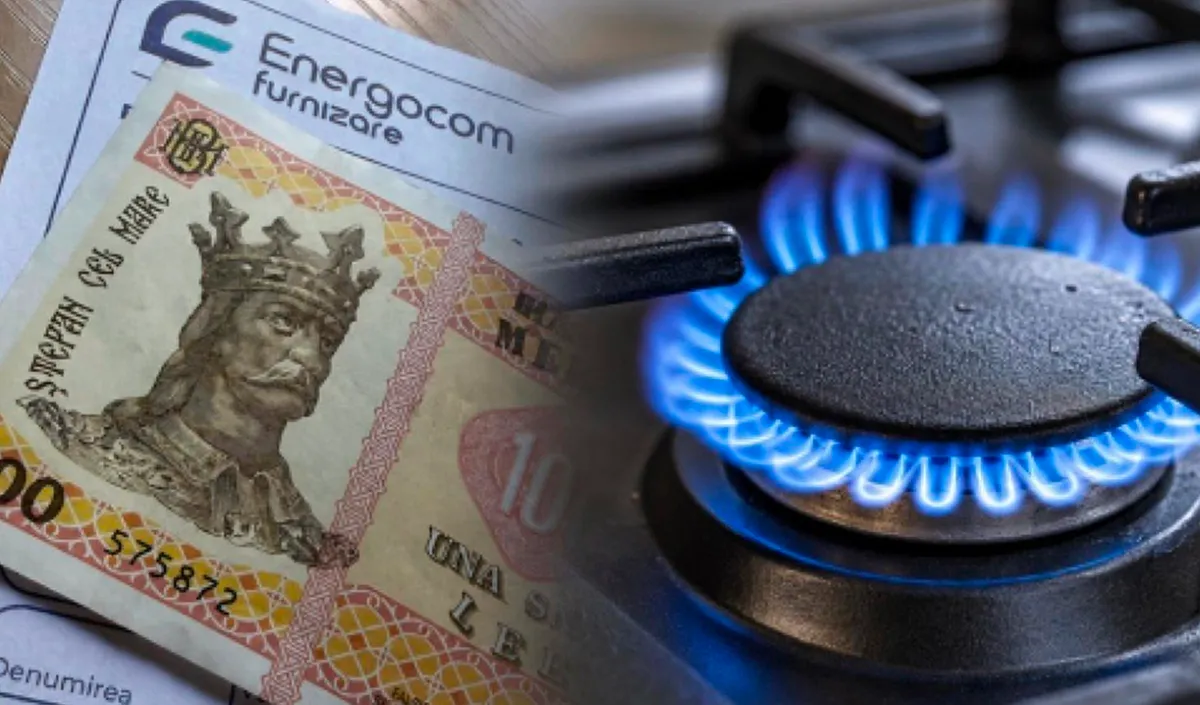
Household consumers will pay 20.30 lei per cubic meter of natural gas after Moldova’s National Agency for Energy Regulation approved an increase of 5.88 lei from the current tariff, which is over 40% higher that previous price. Authorities attributed the increase to the regional energy crisis and substantially higher procurement costs.

Several people protested outside the regulator’s headquarters while officials considered state-owned Energocom’s request for the tariff increase. Electricity prices could also rise, with Energy Minister Dorin Junghietu acknowledging that an increase may follow in the coming period.
Teachers protest as government delays public-sector salary reform
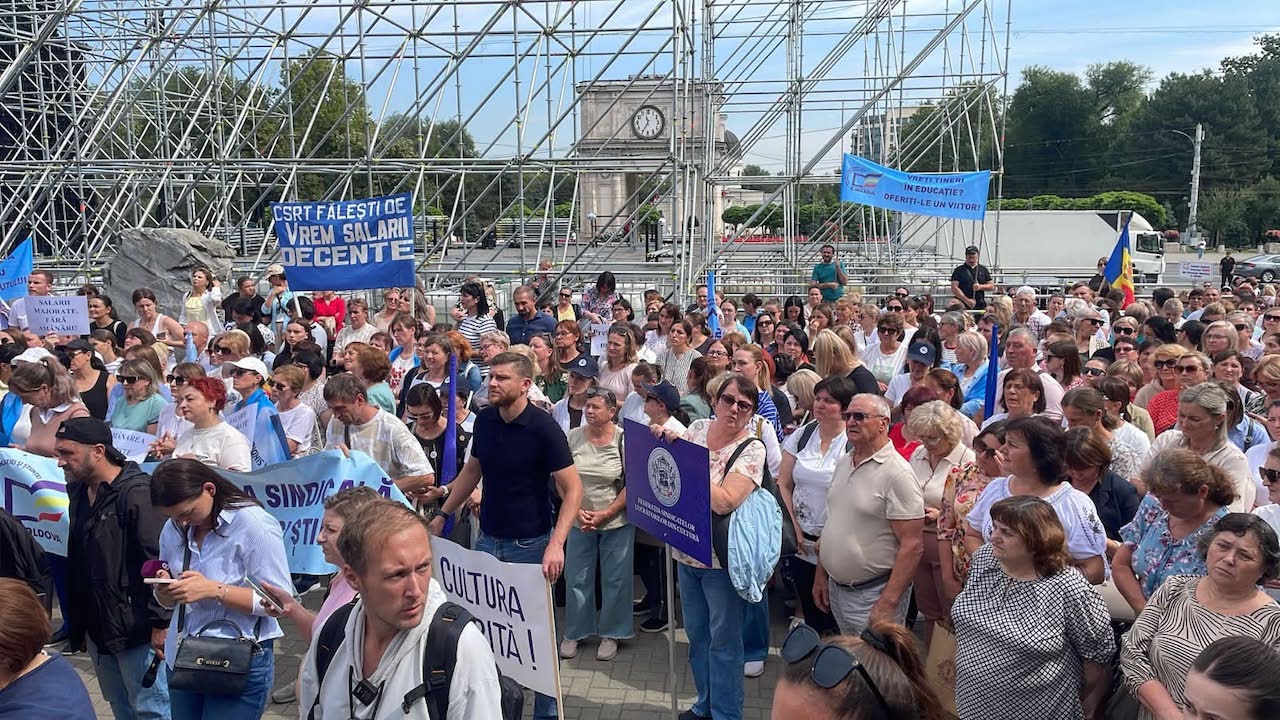
Teachers took to the streets in Chișinău on Wednesday over low salaries and what they described as the authorities’ failure to deliver promised pay increases from September 1. Prime Minister Vasile Tofan later announced that public-sector employees earning gross salaries below 20,000 lei would receive a one-off payment in October: 4,000 lei for education workers, 3,000 lei for employees in the social, health, defense and public-order sectors, and 2,000 lei for technical staff.
The government’s new public-sector salary law will take effect on January 1, 2027, rather than September as previously planned. Under the reform, base salaries will increase and incorporate most existing bonuses, accounting for at least 70% of total remuneration, while the variable component will be capped at 30%. The government also plans to narrow the gap between the lowest and highest public-sector salaries, with the 2027 wage fund expected to exceed 38 billion lei — more than five billion lei above this year’s level.
Education and Science Trade Union Federation president Ghenadie Donos told ZdG that the 4,000-leu payment and planned 10–15% salary increase from January 2027 do not meet education workers’ expectations, saying the union would continue discussions with the authorities in search of further solutions.
Political and judicial developments reshape Gagauzia
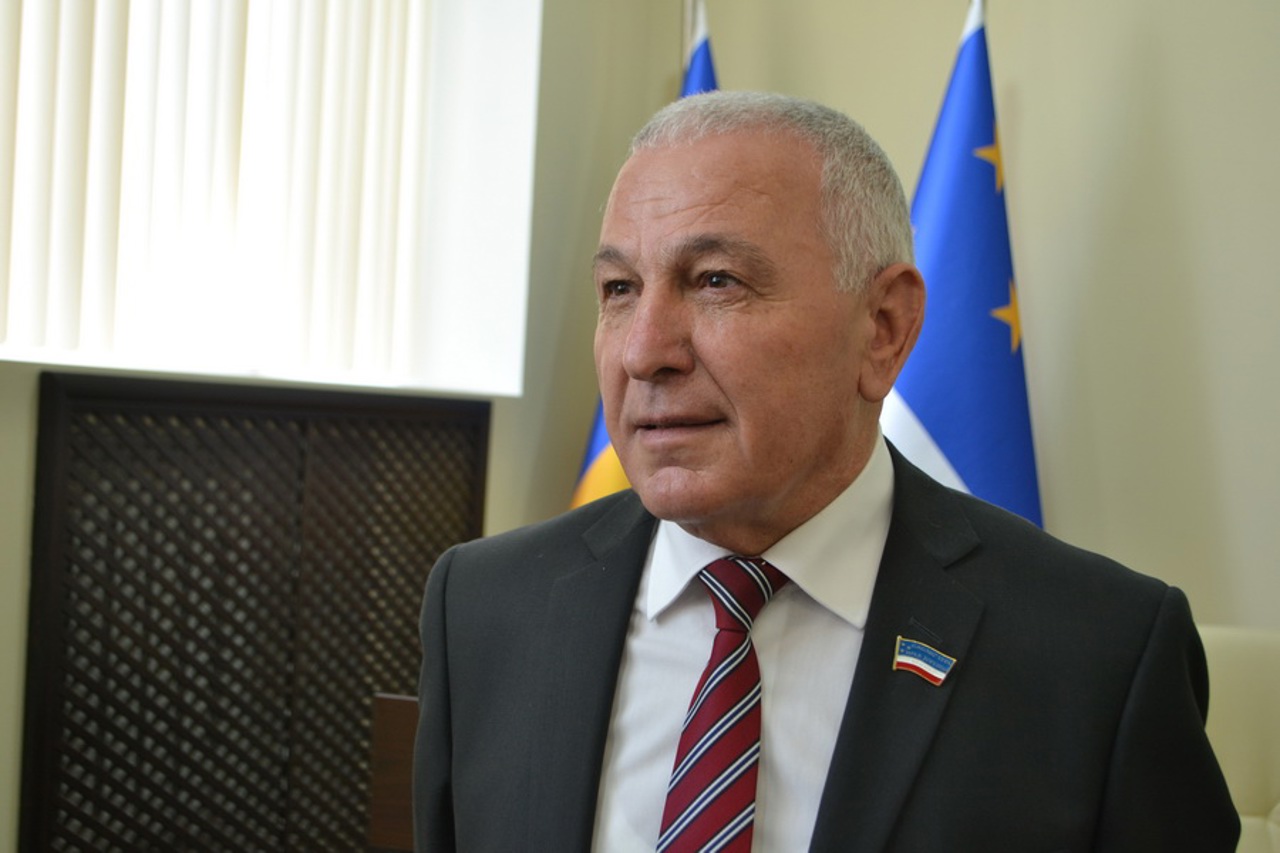
The position of governor, or bashkan, of Moldova’s autonomous Gagauzia region was officially declared vacant after the Court of Appeal upheld the first-instance sentence against former governor Evghenia Guțul, who was sentenced to seven years in prison in a case involving the illegal financing of the former Șor Party. A date for a new gubernatorial election has not yet been set, although officials have suggested it could coincide with elections for the new Gagauz People’s Assembly scheduled for November 15.
Meanwhile, former Gagauz People’s Assembly chairman Dmitri Constantinov had his prison sentence reduced from 12 to eight years by the Southern Court of Appeal. Constantinov was convicted of abuse of office and embezzling more than 46 million lei, although the abuse-of-office charge was dropped because the statute of limitations had expired. He was placed on an Interpol wanted list in June 2026 after failing to appear in court, and Moldovan authorities have previously said he may be hiding in the breakaway Transnistrian region.
Cobasna ammunition, high-profile cases and Soviet legacy remain in focus
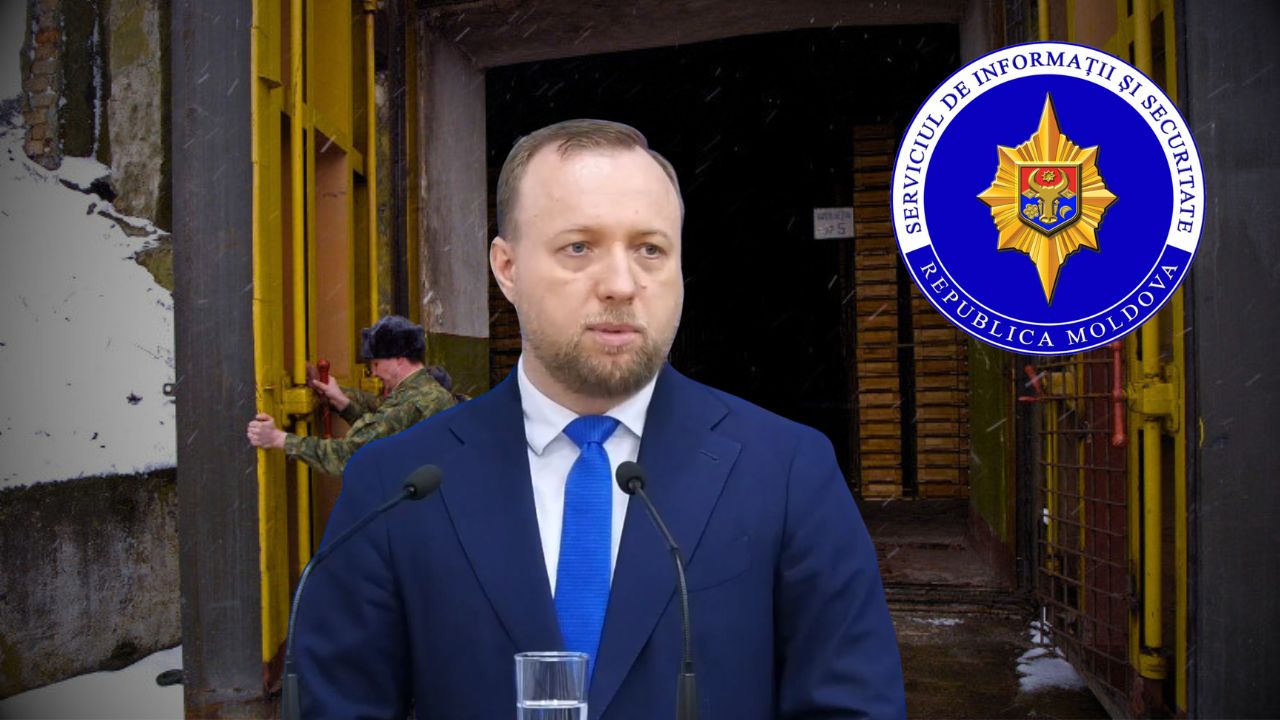
Around 14,000 tonnes of ammunition remain at the Russian-controlled military depot in Cobasna, according to a recently published report by Moldova’s Intelligence and Security Service. Most of the ammunition is old and expired, while only about 2,800 tonnes are believed to contain actual explosives. Authorities say a potential incident would cause localized damage, challenging more alarming claims that have circulated publicly about the depot.
Court hearings also resumed in the so-called “Kuliok” case involving former Moldovan president and current MP Igor Dodon. A hearing on August 20 was interrupted after none of the summoned witnesses appeared. Prosecutors told the Supreme Court of Justice that they had contacted the U.S. Embassy in an attempt to establish the whereabouts of Serghei Iaralov, an associate of convicted former oligarch Vladimir Plahotniuc, with a response expected on August 24.
Separately, the government backed legislation that would officially recognize the Soviet-induced famine of 1946–1947 in Moldova as a crime against humanity committed by the Soviet totalitarian regime. The proposal includes the creation of museums, monuments and memorials, greater access for researchers to historical documents and the possible introduction of sanctions for publicly denying or distorting the tragedy.