INSIDE MOLDOVA Moldova closer to EU Talks | Education Reform | Gagauzia Governor remains in prison
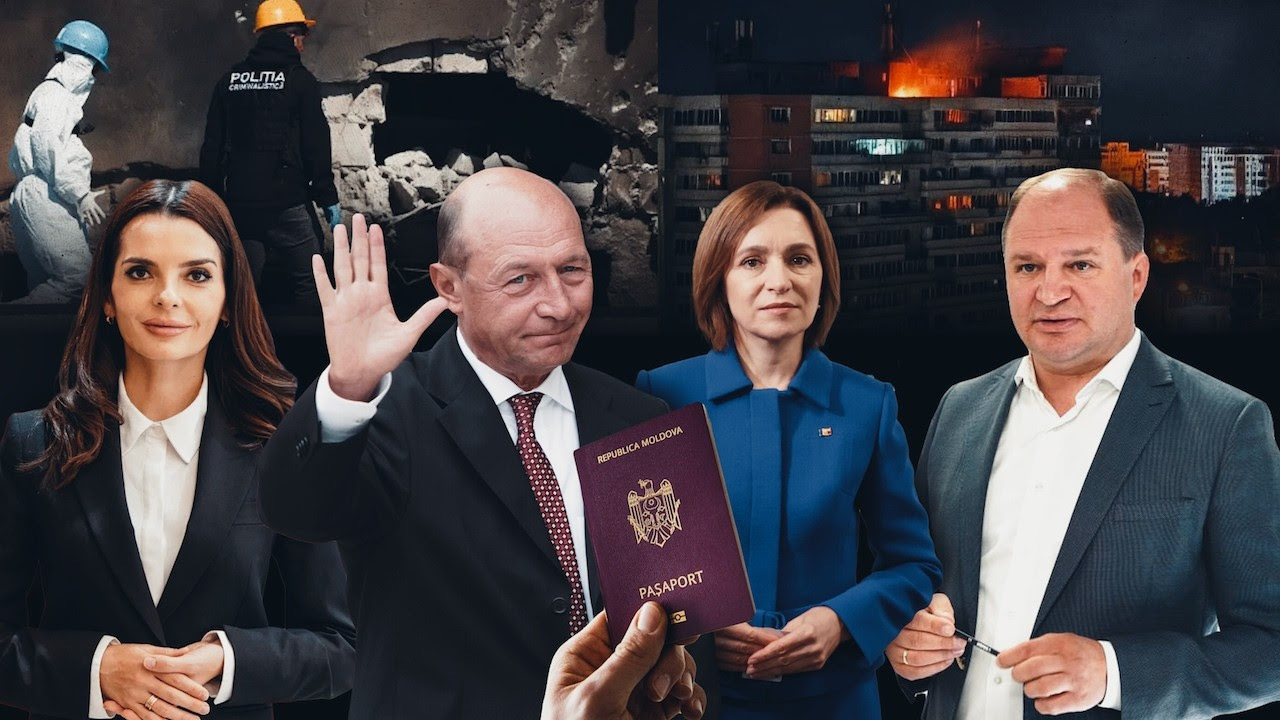
Moldova moved a step closer to opening accession negotiations with the European Union this week, as Brussels signaled that the first negotiation chapters could be launched as early as June. Meanwhile, authorities discussed energy security amid regional tensions, new research revealed growing support for reintegration in Transnistria, and domestic politics were dominated by debates over education reforms, local governance, and several high-profile court cases.
At the same time, Ziarul de Gardă received first place in the TV & Video Journalism category and second place in the Investigations category at the prestigious Romanian-language ”Superscrieri” awards for the investigation “The Kremlin’s Digital Army,” which examined Russian influence operations during the parliamentary elections in 2025.
Europe and Security: EU negotiations move forward and Transnistrian attitudes shift
Moldova received another positive signal regarding its European future after reports emerged that the European Commission plans to propose opening the first cluster of EU accession negotiation chapters with Moldova and Ukraine on June 16. If approved, this would mark the formal start of substantive accession negotiations.
Security issues remained high on the agenda. Maia Sandu chaired a meeting of Moldova’s Supreme Security Council, where officials assessed the country’s energy security amid regional instability and international market uncertainties. Authorities stated that Moldova currently faces no immediate risks regarding natural gas, electricity, or fuel supplies, but continue to prepare contingency plans.
In another security-related development, Maia Sandu revoked Moldovan citizenship from five individuals allegedly linked to the so-called Ministry of State Security (MGB), the security service of Moldova’s Russian-backed separatist Transnistrian region. Some of those targeted by the decree were reportedly connected to Russian intelligence activities and recruitment operations uncovered by Ukrainian authorities.
After these developments, a study presented by the media platform Zona de Securitate and WatchDog.MD revealed a significant shift in public opinion in the transnistrian region. According to the research, every second resident of the separatist region supports reintegration with Moldova. For the first time in three decades, closer relations with Moldova are viewed as equally important as relations with Russia.
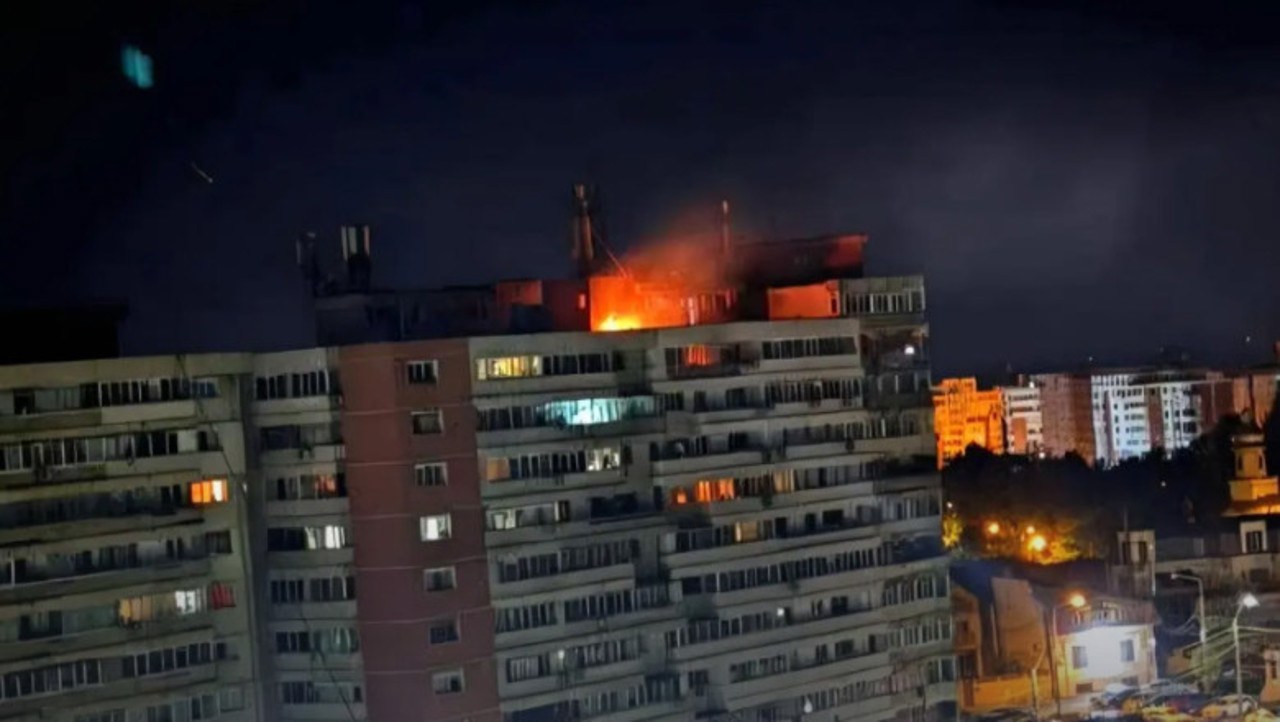
Regional security concerns were further highlighted after a Russian drone struck a residential building in the Romanian city of Galați, injuring two civilians. President Sandu strongly condemned the attack. The incident occurred on the same day Romanian Prime Minister Ilie Bolojan visited Moldova.

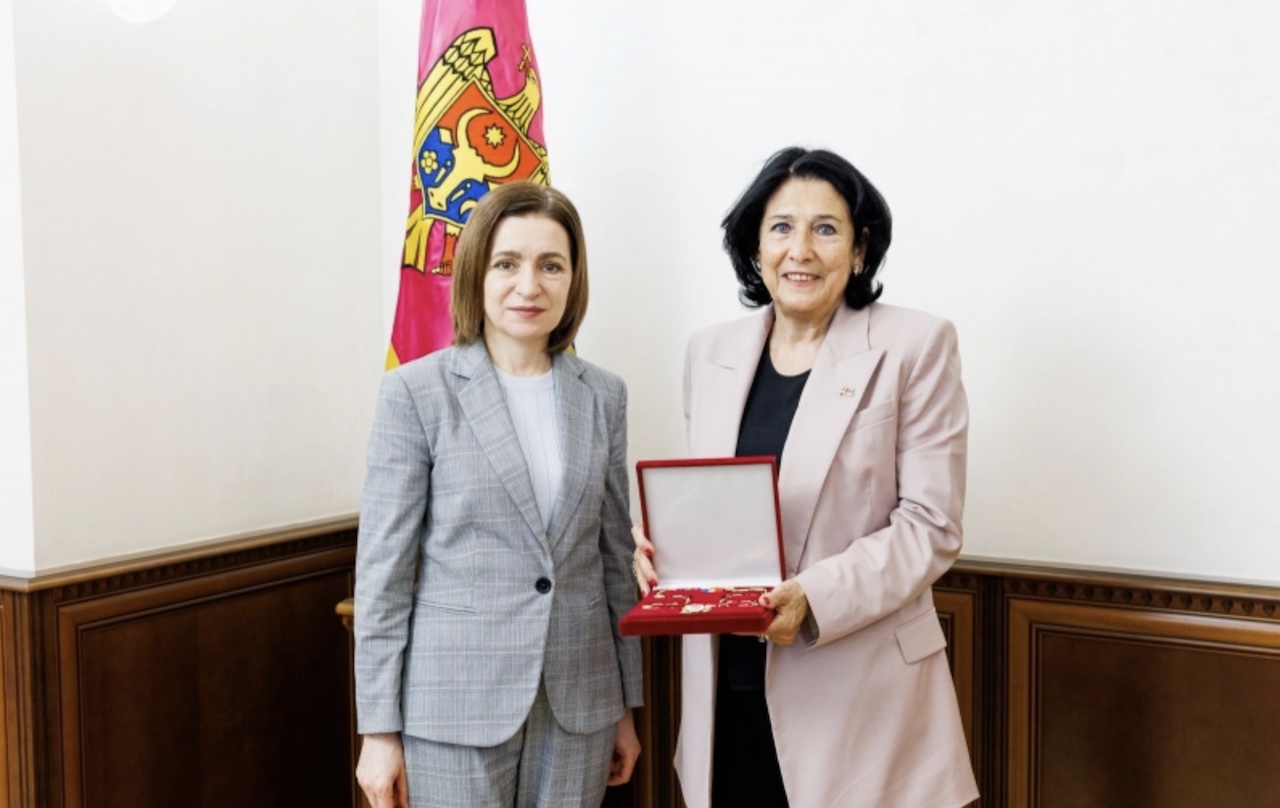
At the same time, President Maia Sandu hosted former Georgian President Salome Zourabichvili in Chișinău and awarded her Moldova’s highest state distinction, the “Order of the Republic,” in recognition of her support for democracy and Georgia’s European path.
Politics and Governance: Administrative reforms, referendums, and controversial guests
President Maia Sandu promoted one of Moldova’s most ambitious governance reforms in recent years: the voluntary consolidation of local administrations. The government announced that municipalities choosing to merge administrative structures would receive triple the financial support currently available. Sandu argued that postponing the reform would deprive villages of opportunities for development.
At the same time, the Ministry of Education unveiled the “Restart in Education” reform. The initiative would create Territorial Education Agencies directly subordinated to the ministry, taking over some responsibilities currently exercised by district-level education departments. Education Minister Dan Perciun argued that the reform is needed to reduce disparities in educational quality and address severe staffing shortages within local education administrations.
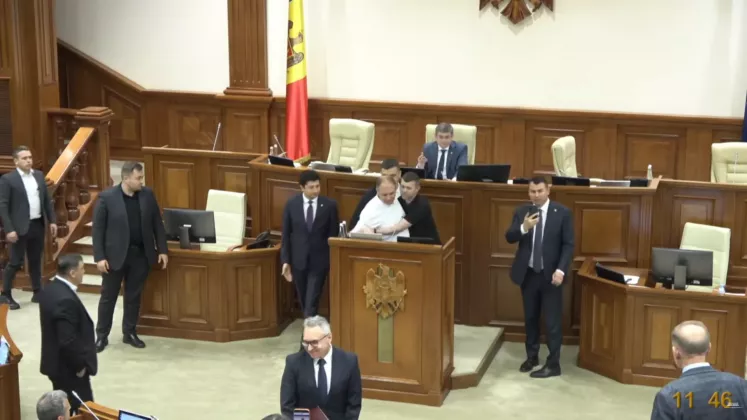
The proposed reforms immediately sparked political opposition. Chișinău Mayor Ion Ceban announced that his party, the National Alternative Movement (MAN), intends to initiate local referendums against both the education reform and the broader administrative-territorial reform. He tried to speak at the Parliament, but because he disrupted an ongoing session and because he is not a member, he was escorted outside, but not before making a scene.
Another controversy emerged around Romanian anti-drug campaigner Cătălin Țone, who participated in educational events organized by Chișinău City Hall. ZdG highlighted previous investigations by Romanian media showing that both of his doctoral degrees were allegedly obtained through plagiarism. Romanian criminologist Vlad Zaha publicly criticized Țone’s involvement in anti-drug education campaigns, calling him a dangerous promoter of misinformation.
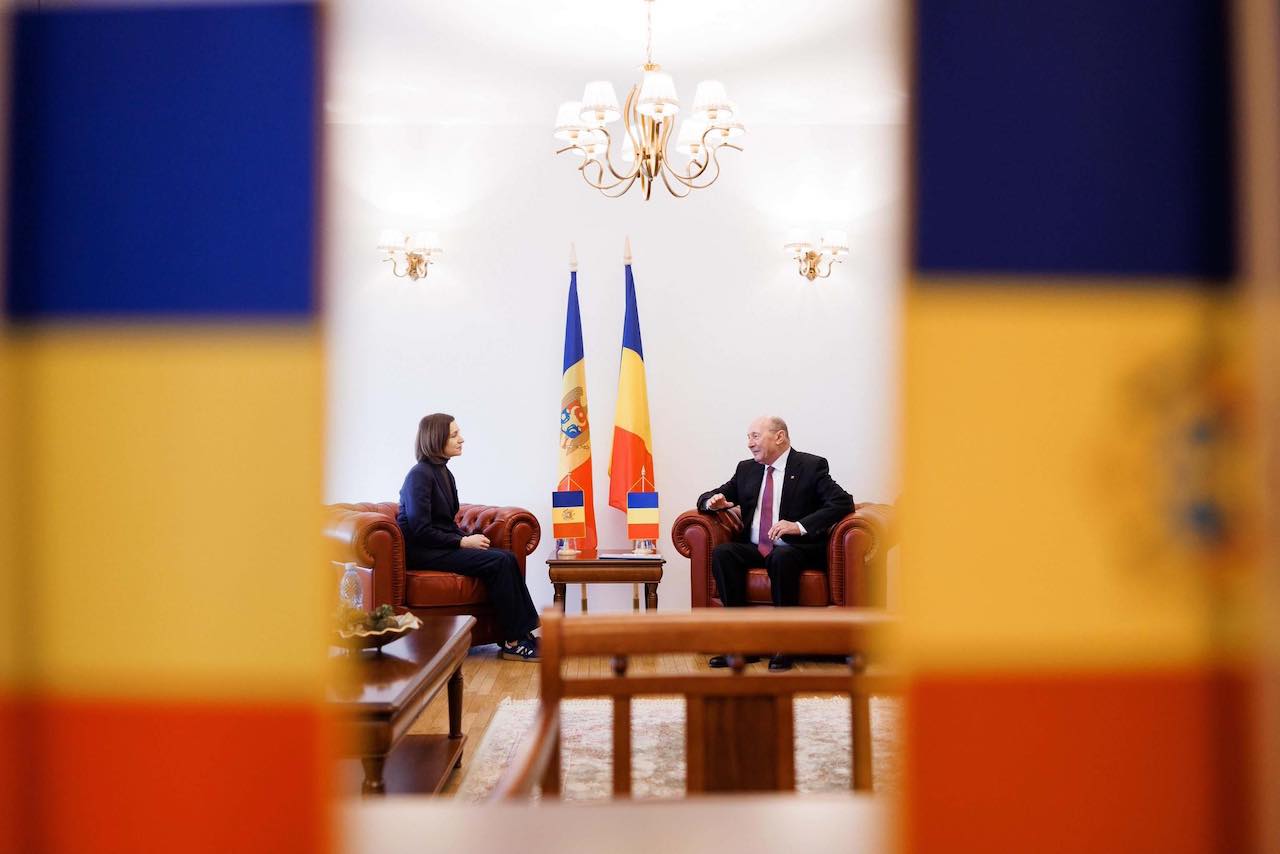
Former Romanian President Traian Basescu also made headlines after receiving Moldovan citizenship by presidential decree. Sandu praised Băsescu’s long-standing support for Moldova’s European integration, while Băsescu reaffirmed his commitment to both Moldova’s EU accession and closer ties between Moldova and Romania.
Meanwhile, opposition politician Renato Usatii sparked debate after claiming he had deliberately included a fictitious DJ on the guest list for a music festival in order to test how Moldova’s security and cultural institutions vet foreign performers. Government officials dismissed the stunt as political theater.
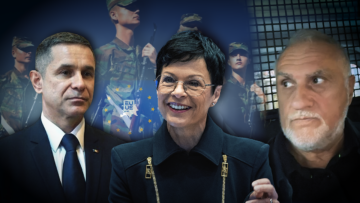
Also, former Defence Minister Vitalie Marinuta accused current Defence Minister Anatolie Nosatii of attempting to intimidate and pressure him after he publicly commented on national and regional security issues. Responding to the allegations, the Defence Minister said Marinuta had “reacted emotionally” and accused him of taking part in a “well-orchestrated campaign aimed at discrediting the National Army.”
Justice and Rule of Law: Vetting disputes, domestic violence charges, and the Șor network
One of the week’s most important justice-related developments concerned Moldova’s judicial and prosecutorial vetting process. Anti-corruption prosecutor Andrei Balan became the first prosecutor to pass external evaluation despite two previous recommendations for failure issued by the Prosecutors’ Evaluation Commission, an institution created as part of Moldova’s EU-backed justice reform. The Superior Council of Prosecutors ultimately approved his evaluation, generating new debates about the vetting process.
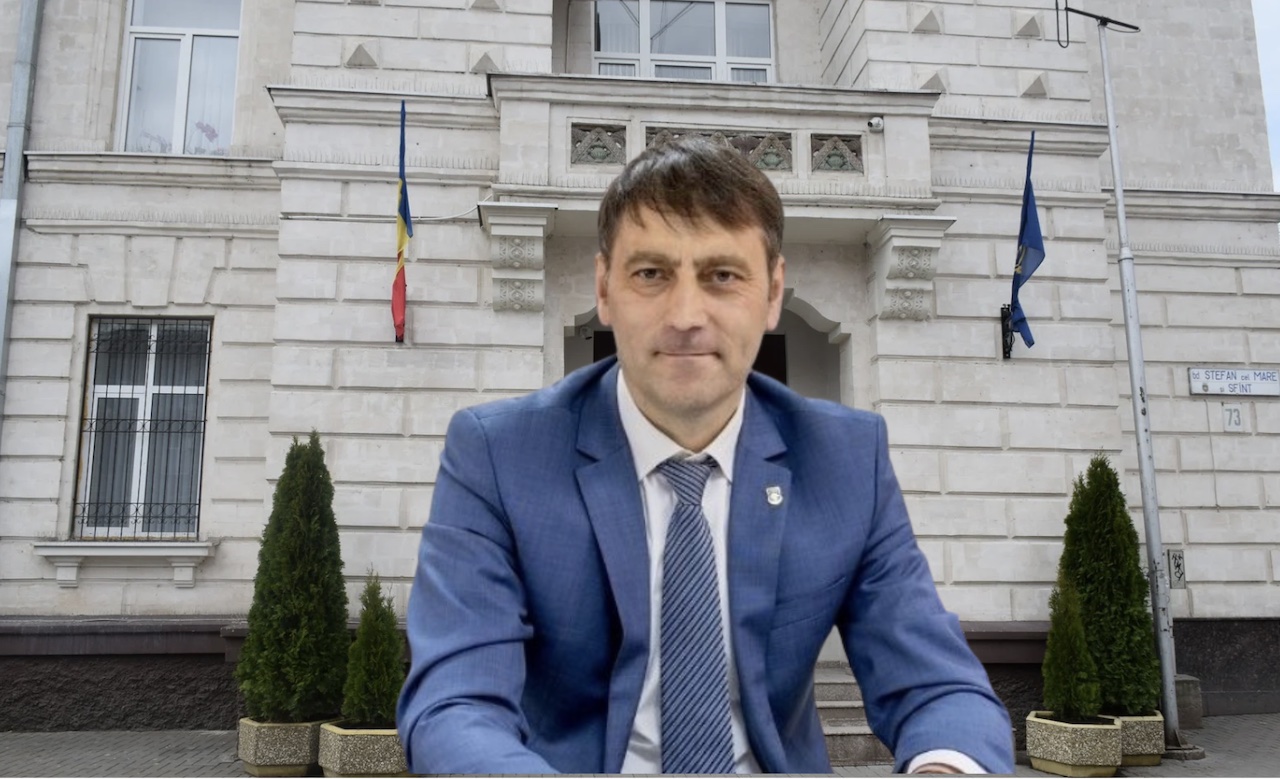
In another high-profile case, former Hîncești district vice-chairman Dmitri Vartic was formally charged with two counts of domestic violence linked to the suicide of his wife, Liudmila Vartic. Prosecutors accuse him of both domestic abuse leading to a suicide attempt and domestic abuse resulting in the victim’s death. He has been placed under travel restrictions while the investigation continues.
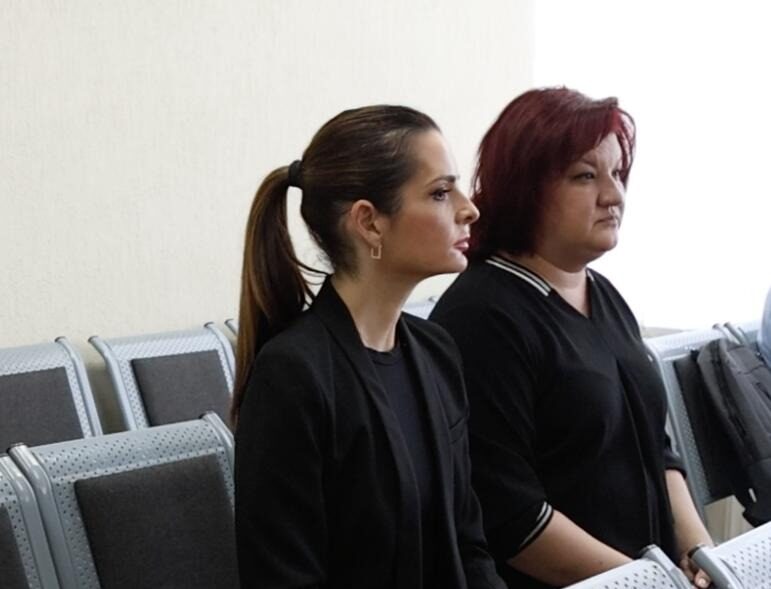
Moldova’s courts also delivered a significant ruling involving Evghenia Gutul, the governor of the autonomous region of Gagauzia and a close ally of fugitive oligarch Ilan Shor. The Court of Appeal upheld her seven-year prison sentence in the case concerning the illegal financing of the former Șor Party, which was declared unconstitutional in 2023. Co-defendant Svetlana Popan also had her six-year sentence upheld.
Agriculture and Economy: Farmers return to the streets
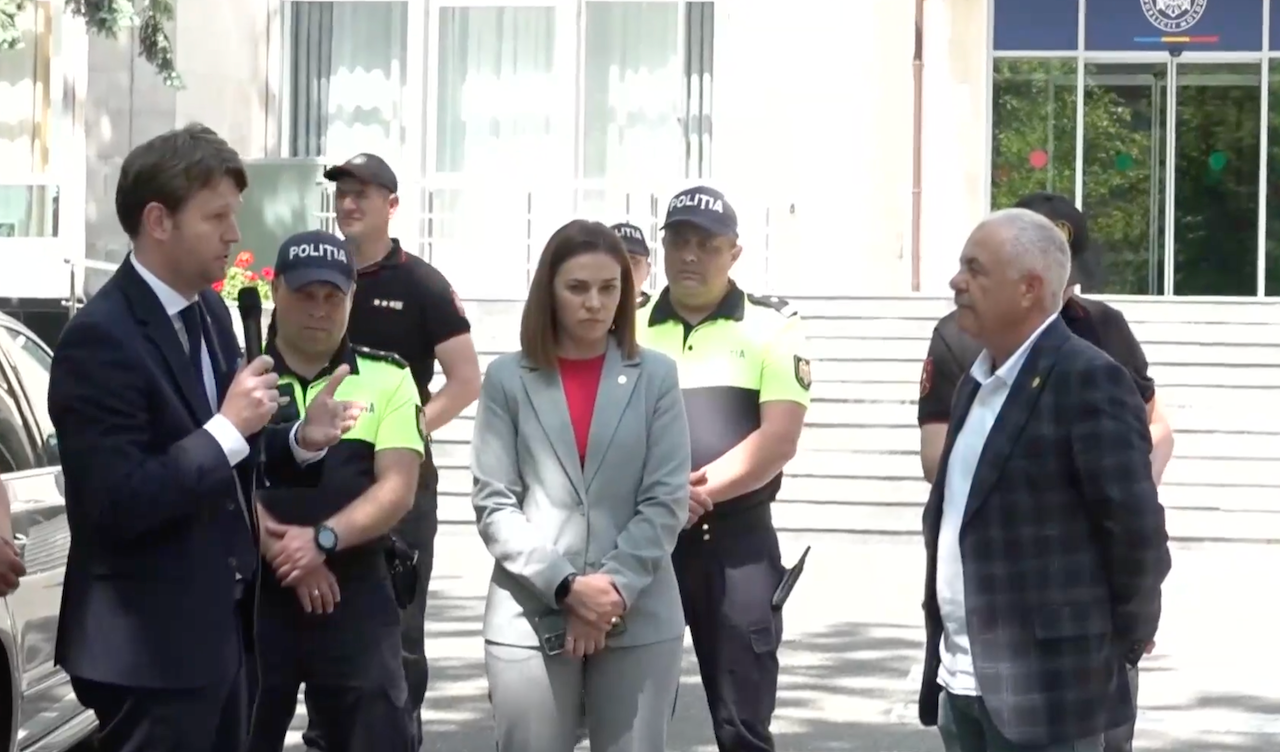
Agricultural policy became another major topic after farmers staged a warning protest in front of the Government building. The Farmers’ Force Association accused authorities of failing to address the sector’s difficulties and demanded full reimbursement of fuel excise taxes, reduced VAT rates across agricultural supply chains, direct per-hectare payments, and compensation for rising fertilizer costs.
The protest also generated political tensions after Finance Minister Andrian Gavriliță was criticized for leaving the demonstration. The minister later stated that he remained open to dialogue but would not tolerate insults. Agriculture Minister Ludmila Catlabuga met protesters and acknowledged their right to demonstrate.
Ziarul de Gardă awarded in Romania
Journalists from Ziarul de Gardă received first place in the TV & Video Journalism category and second place in the Investigations category at the prestigious Romanian-language ”Superscrieri” awards for the investigation “The Kremlin’s Digital Army,” which examined Russian influence operations during the parliamentary elections.
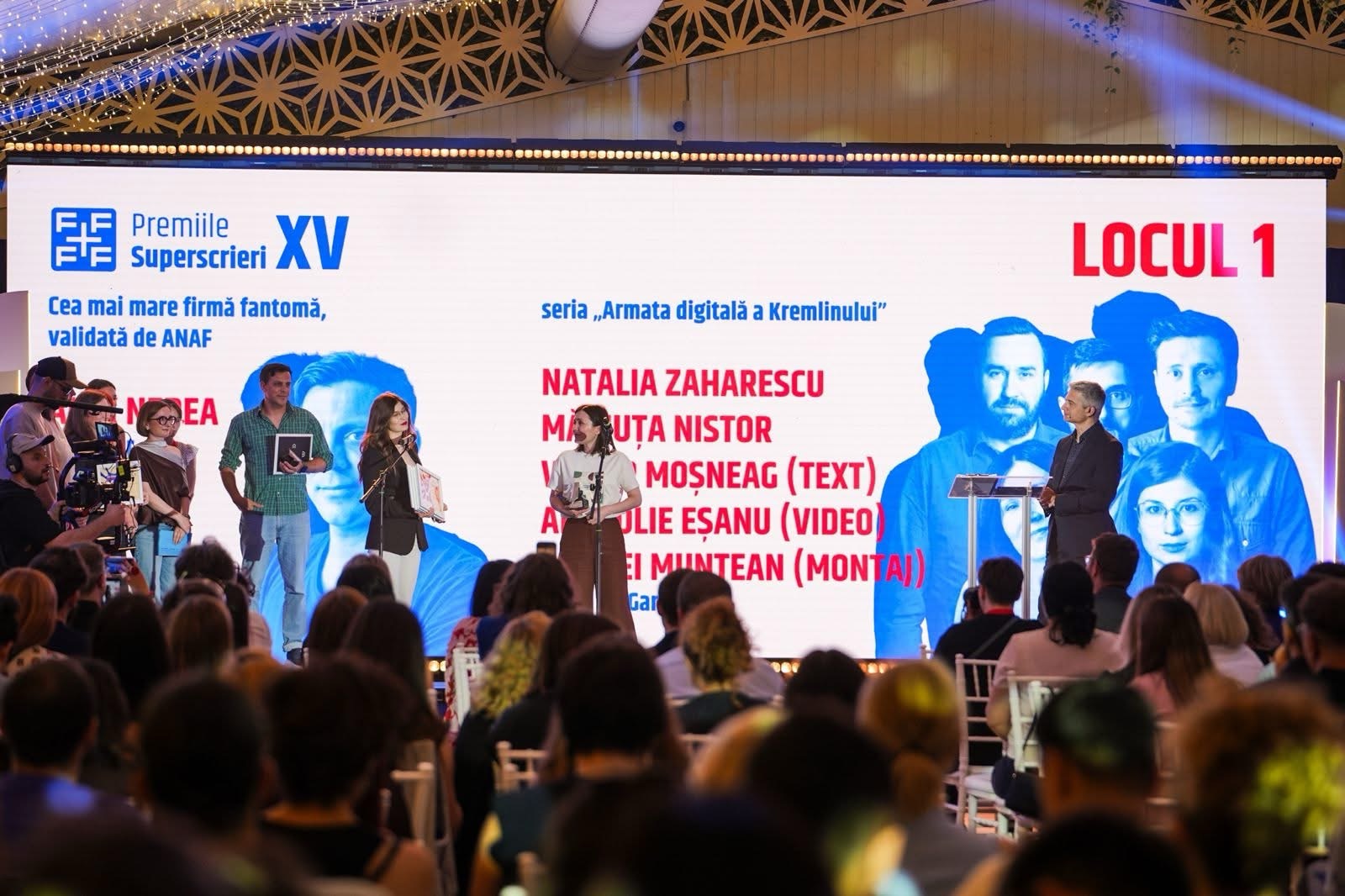
In May 2023, the investigation “Protesters for Hire”, which revealed that participants in the protests organized by the Șor Party in the autumn of 2022 were being paid to demonstrate their “civic activism,” won second place in the Investigations category.
In 2025, the investigation “In the Service of Moscow” received the “Story of the Year” award. This prize is granted by the jury to a single journalist each year. The same investigation, written by Măriuța Nistor and Natalia Zaharescu, also won first place in the Investigation category at the 14th edition of the Superscrieri Awards.