INSIDE MOLDOVA Energy and water emergency declared in Moldova | Russian billionaire wants to invest in the energy sector | Aggravated charges against former president Dodon
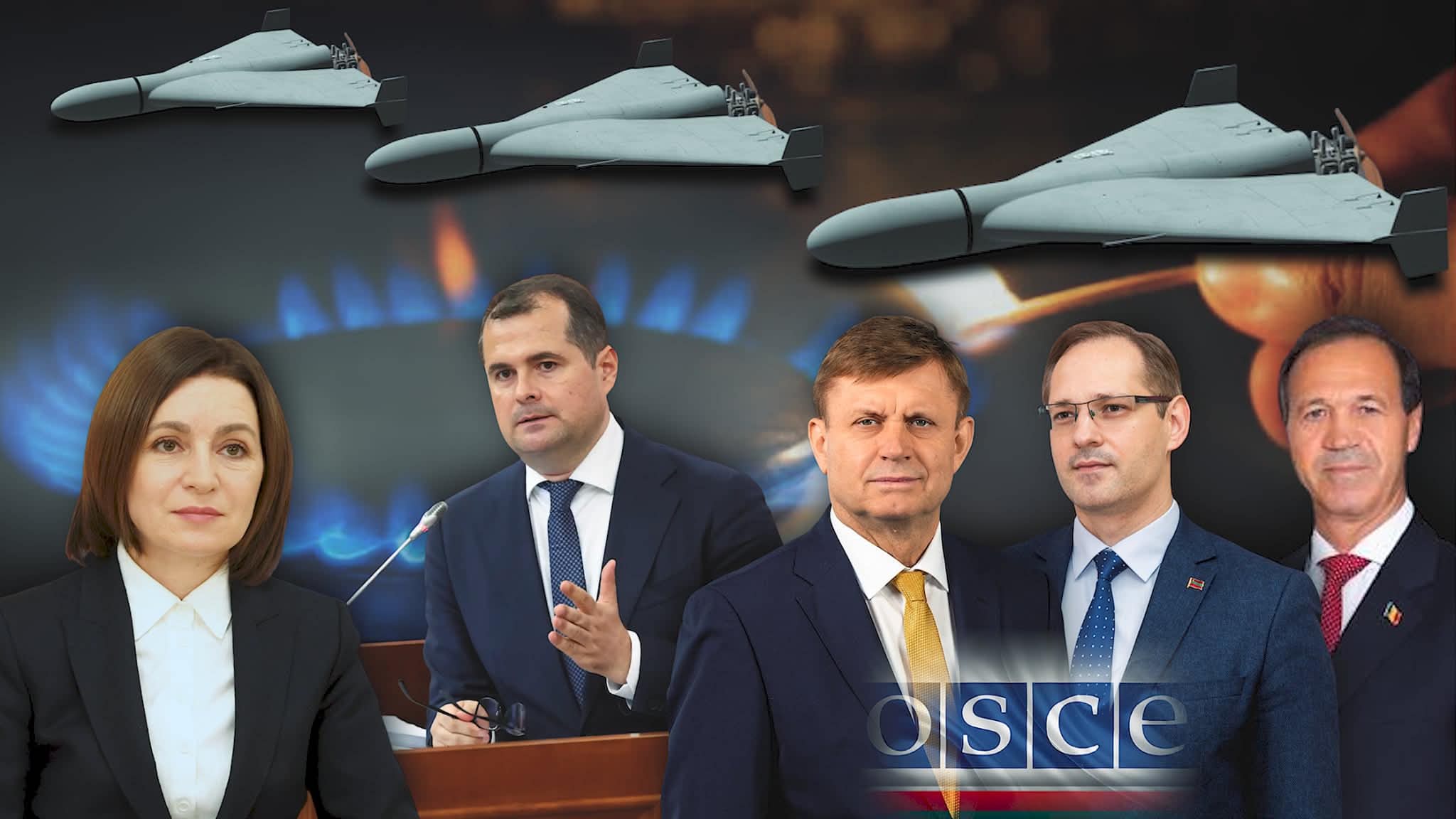

Moldova’s energy and security challenges dominated the agenda this week, as Parliament declared a nationwide state of emergency in the energy and hydrological sectors for 60 days, beginning September 26. Authorities said the measure was necessary to prevent fuel shortages, ensure continuity in electricity, natural gas and heating supplies, manage the hydrological deficit in the Dniester and Prut river basins and protect vulnerable consumers during the autumn-winter period. Meanwhile, Energocom proposed another sharp increase in the regulated natural gas tariff, while the growing number of drone incursions into Moldovan airspace continued to raise security concerns.
Relations with Russia and developments in the Transnistrian region also remained in focus. Moldovan officials warned that Russian influence operations were becoming increasingly sophisticated, while Chișinău and Tiraspol agreed to intensify dialogue on practical issues affecting both banks of the Dniester. In the justice sector, prosecutors moved to aggravate the charges against former president Igor Dodon in the “Kuliok” case, while former Democratic Party MP Vladimir Andronachi missed another court hearing. Separately, sanctions against Lukoil-Moldova reshaped the public fuel procurement market, and businessman Igor Makarov announced plans for a potential major investment in Moldova’s energy sector.
Drone incidents increase as authorities warn of evolving Russian influence tactics
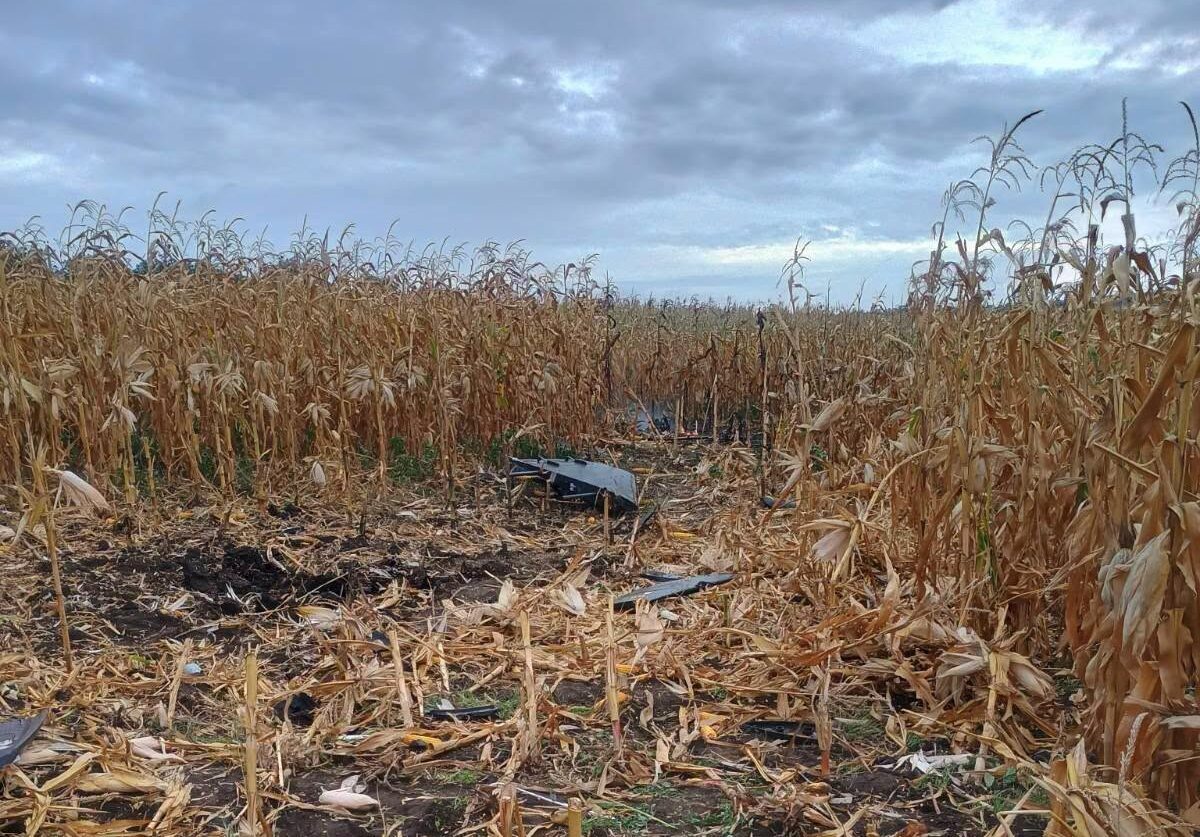
Moldova has recorded 76 incursions by flying objects into its airspace since the beginning of Russia’s invasion of Ukraine, according to the Center for Strategic Communication and Countering Disinformation (STRATCOM). The number of incidents increased from four in 2022 to 39 since the beginning of 2026. Between August 1 and September 22 alone, 28 drones entered Moldovan airspace, five of which crashed on the country’s territory, while fragments were discovered in fields in other cases.
During a drone attack on the night of September 8–9 near the Tudora-Starokazacie border crossing, two Ukrainian citizens were killed and two other people, including a Moldovan citizen, were injured. Defense Minister Anatolie Nosatîi acknowledged that Moldova was struggling to develop its defense systems quickly enough to keep pace with Russia’s attack capabilities.
Separately, STRATCOM director Liliana Vițu said Russia appeared to be changing its influence tactics in Moldova and could increasingly rely on individuals with apparently pro-European profiles, Western education and rhetoric adapted to European political discourse. According to Vițu, foreign interference has intensified despite the absence of national elections this year, while the infrastructure used to manipulate the information environment has become increasingly sophisticated and regionally interconnected.
Meanwhile, the United Kingdom announced at the UN General Assembly plans to establish a new security unit to counter Russian information warfare. British Prime Minister Andy Burnham cited Moldova as an example, saying the UK had assisted the country in protecting its elections from Russian interference.
Prime Minister of Moldova, Vasile Tofan, is is also attending the 81st session of the United Nations General Assembly. The head of the Chisinau government is scheduled to deliver a speech at the UN General Assembly plenary session on September 26.
Moldova declares state of emergency amid energy and water supply risks
Parliament declared a nationwide state of emergency in the energy and hydrological sectors for 60 days, beginning September 26. The decision followed a meeting of the National Security Council chaired by President Maia Sandu, which examined the impact of the international energy crisis and measures to strengthen Moldova’s energy resilience ahead of the cold season. Authorities said the emergency regime is intended to prevent fuel shortages, ensure uninterrupted supplies of electricity, natural gas and heating, address the hydrological deficit in the Dniester and Prut river basins and mitigate the economic impact on vulnerable consumers.
Meanwhile, natural gas prices could rise again if a proposal submitted by state-owned Energocom is approved by the National Agency for Energy Regulation. Energocom proposed a price of 24.305 lei per cubic meter excluding VAT, which would translate into approximately 26.25 lei including VAT. Compared with the current tariff of 20.3 lei per cubic meter, introduced on September 1, the proposed price would represent an increase of around 29%.
A separate ZdG investigation found that Energocom pays approximately 6.37 million lei annually, excluding VAT, to rent its headquarters. The rent is paid to businessman Arcadie Topalo, who is a defendant in a criminal case involving money laundering and tax evasion and was previously convicted of similar offenses. ZdG also found that another company affiliated with Topalo obtained several contracts with energy-sector institutions, including a 4.6 million lei contract with Energocom.

Chișinău and Tiraspol agree to intensify dialogue
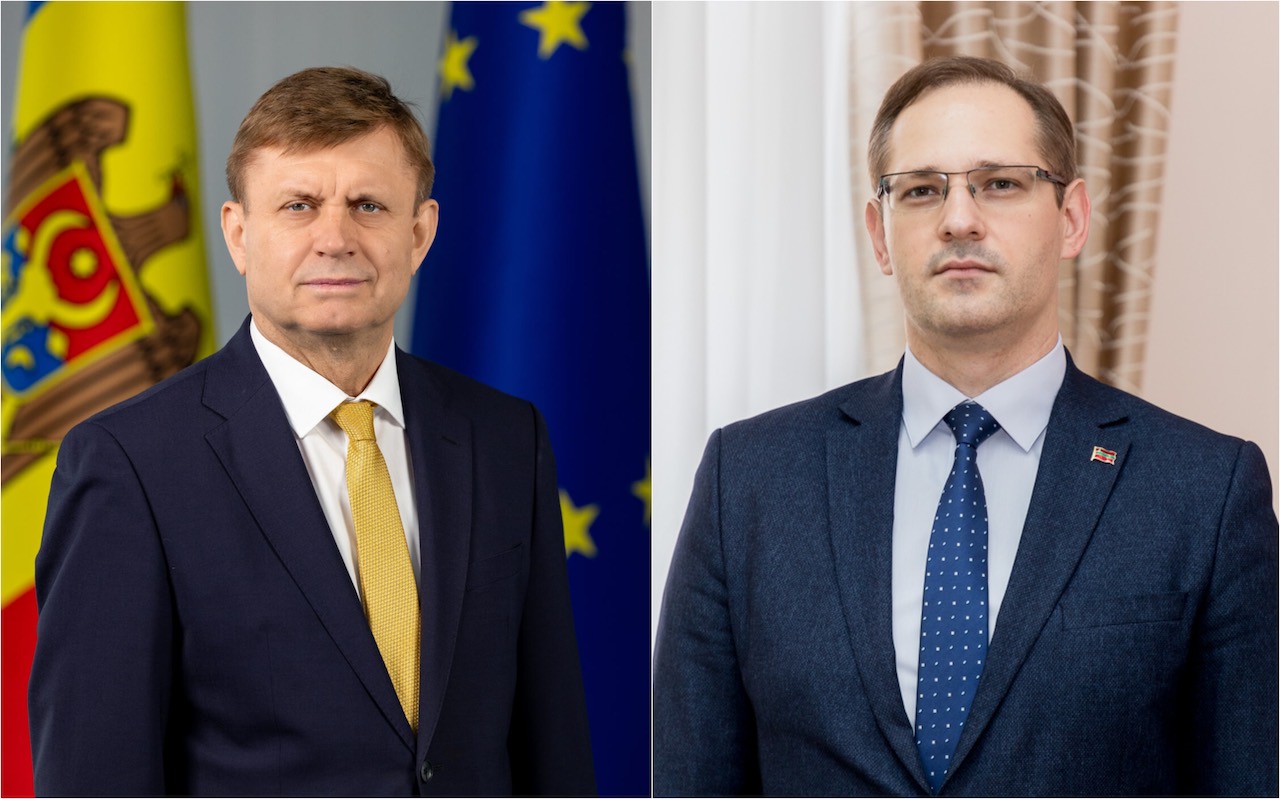
Political representatives from Chișinău and Tiraspol agreed to intensify dialogue, including through expert working groups, following a September 24 meeting in the “1+1” format at the OSCE Mission’s office in Tiraspol. The main agreements concerned Romanian-language schools in the Transnistrian region. In the case of the Evrica Lyceum in Rîbnița, the Transnistrian side is expected to work on a mechanism for transferring the buildings into the school’s administration, with international partners assisting in establishing guarantees and preparing the premises for educational activities. At the meeting was present Valeriu Chiveri, representing Chișinău authorities and Vitalii Igantiev, Transnistrias main negotiator.
The meeting followed Russian parliamentary elections held at polling stations in Tiraspol. A ZdG report described a heavy security presence, including police, uniformed personnel, metal detectors and vehicles belonging to the region’s de facto authorities. The report documented contrasting attitudes among residents, with some participating in the Russian election and others choosing not to vote.
Prosecutors seek aggravated charges against former president Igor Dodon
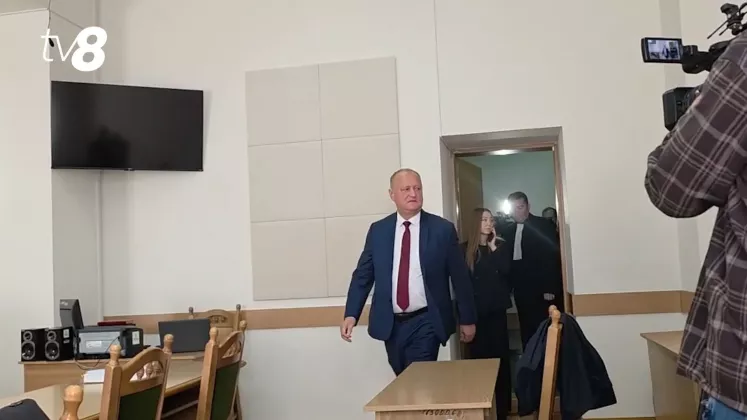
A new Supreme Court of Justice hearing was held on September 25 in the “Kuliok” case involving former Moldovan president and current Socialist MP Igor Dodon, who appeared before the judges. Prosecutor Petru Iarmaliuc asked the court to modify the charges against Dodon “in the sense of aggravation,” accusing him of passive corruption committed by a person holding a public office, on an especially large scale and in the interests of a criminal organization. Dodon’s lawyers requested one month to study the document.
According to Iarmaliuc, the amended accusation concerns two separate episodes between March and June 2019. Prosecutors allege that on June 4 Dodon accepted and received undue financial benefits through intermediaries and that on June 7 he requested additional sums for the benefit of the same alleged criminal structure. Prosecutors also maintained the accusation that Dodon organized the knowing acceptance of financing for a political party from a criminal organization.
Separately, former Democratic Party MP Vladimir Andronachi failed to appear at a September 21 court hearing at which he was expected to testify. His lawyer, former prosecutor Vladimir Moșneaga, said Andronachi was working abroad. Andronachi had also missed the previous hearing on September 11, when his defense presented a German-language medical certificate stating that he was undergoing treatment in Austria. Prosecutor Gheorghe Iapără questioned the authenticity of the document.
Lukoil sanctions reshape Moldova’s public fuel procurement market
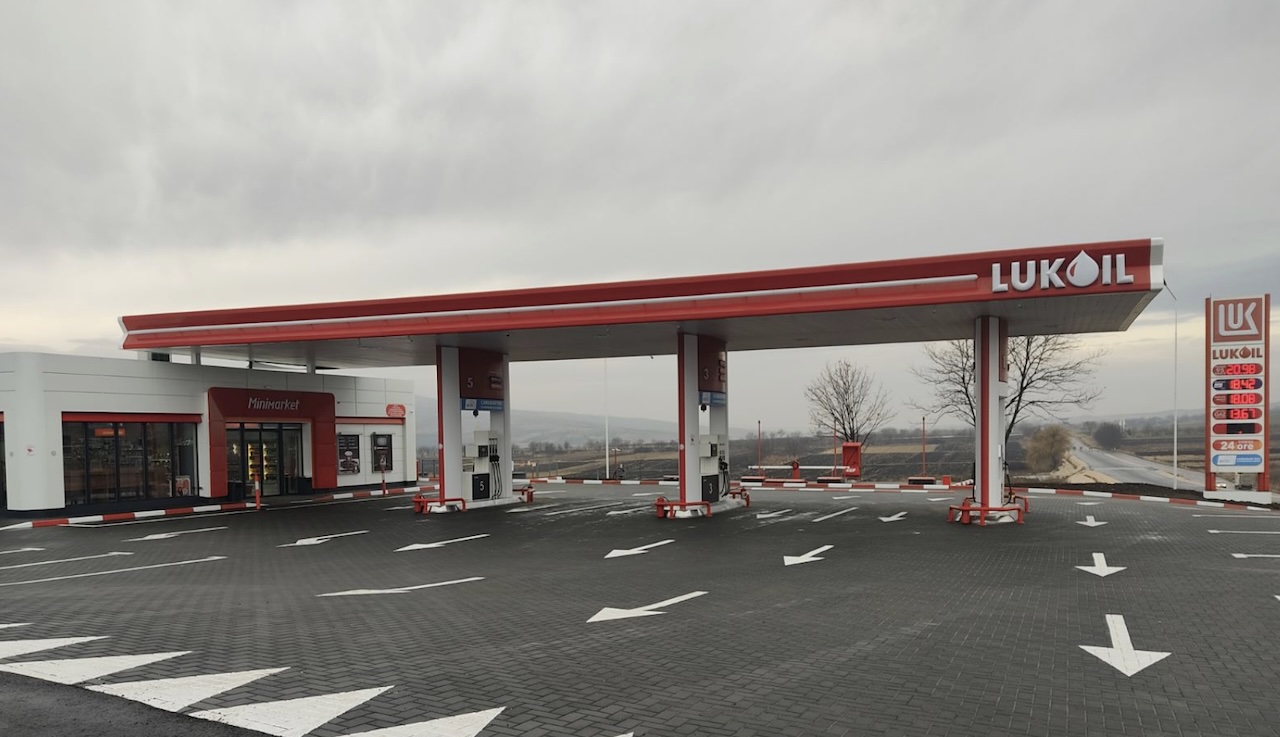
The sanctioning of Russian oil group Lukoil and restrictions preventing the company from operating in sectors considered strategically important to state security under its existing ownership structure have significantly reshaped Moldova’s public fuel procurement market. According to a ZdG analysis, other fuel suppliers substantially increased the value of contracts obtained from public institutions, with some doubling or tripling their contract volumes compared with 2025.
In 2025, Lukoil-Moldova obtained public contracts worth approximately 268 million lei — three times more than the other major fuel-station networks examined by ZdG combined. During the first eight months of 2026, however, the company signed no contracts with state institutions. ZdG examined which fuel networks benefited most from the redistribution of the public procurement market and the ownership structures behind them.
Makarov proposes up to $1 billion investment in Moldova’s energy sector
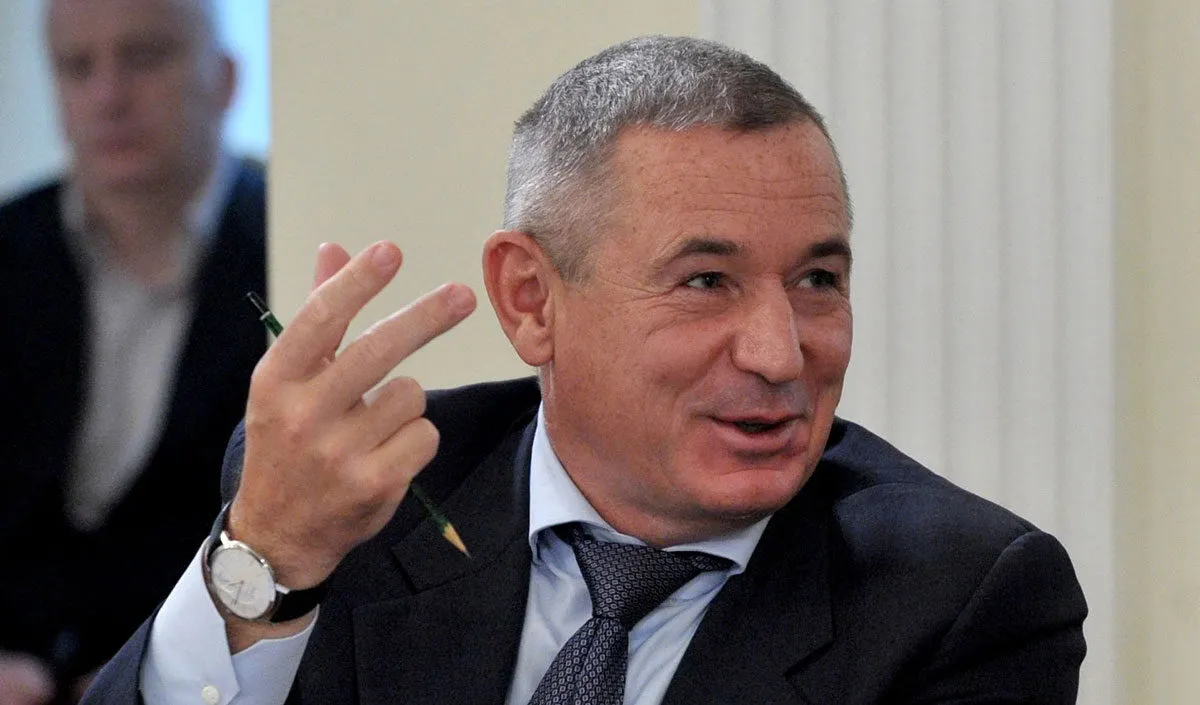
Billionaire businessman Igor Makarov, who holds Moldovan citizenship, said he was prepared to invest up to $1 billion in Moldova’s energy sector. He also had a meeting with the prime-minister Vasile Tofan, who said that Makarov has good intentions. Makarov said he could cover part of the gas bills of Moldovan hospitals and was prepared to invest in a major gas-storage project.
Makarov renounced his Russian citizenship following Russia’s invasion of Ukraine in 2022 and moved to Italy, from where he manages business interests in 22 countries. His companies previously supplied gas to Moldova. Canada sanctioned Makarov as part of measures related to Russia’s invasion of Ukraine, citing what it described as his close associations with senior Russian officials and opaque energy dealings that generated revenue for the Kremlin. Makarov has disputed the allegations.
ZdG previously reported on controversies involving Makarov’s Itera group in Moldova. In 2006, the newspaper wrote about agricultural land near Cahul acquired by Mold Itera Energy that was intended for construction despite restrictions concerning high-quality agricultural soil. ZdG also reported that Itera benefited from a VAT exemption estimated at around €100 million and was involved in controversial privatizations on both banks of the Dniester.