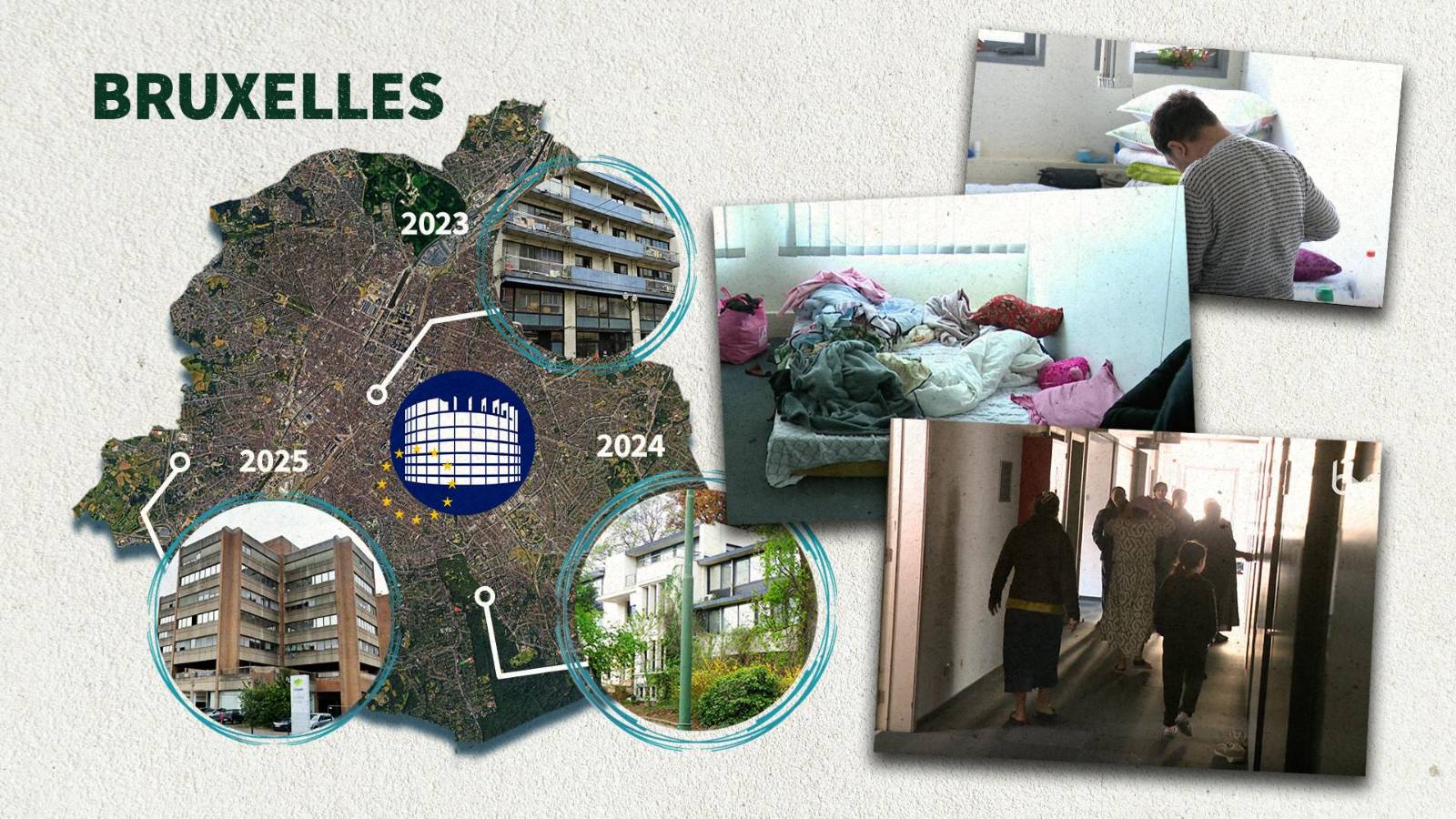
INSIDE MOLDOVA Moldova faces Russian-linked security concerns | Criuleni tragedy exposes electronic monitoring failures | Government revises budget and Transnistrian tax rules
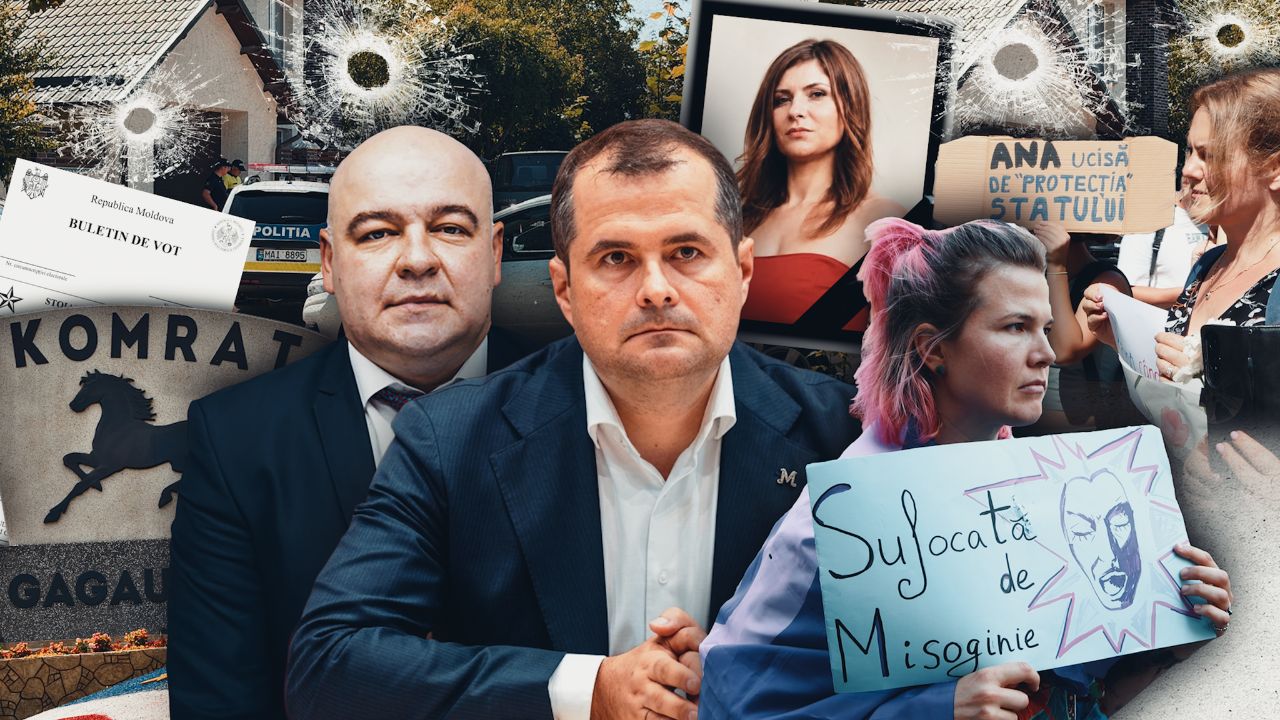

Moldova entered September with security, social and economic issues dominating the public agenda. The Security and Intelligence Service warned of an increase in Moldovan citizens being recruited through Telegram to carry out activities at Russia’s direction, including on Ukrainian territory, while the government prepared a protest note over plans by the Transnistrian authorities to open more polling stations for the September 20 legislative elections than authorized by Chișinău. President Maia Sandu also expressed solidarity with Germany after Berlin attributed an August drone incident at Leipzig airport to Russia.
At home, a murder-suicide in Criuleni exposed serious failures in Moldova’s electronic monitoring system for domestic abusers and prompted the resignation of the head of the National Probation Inspectorate and a package of emergency government measures. Authorities also carried out searches in an investigation into alleged illegal political financing through cryptocurrency, while the government revised the 2026 state budget, began phasing out tax privileges for businesses in the Transnistrian region and announced stricter criteria for energy compensation. Parliament, meanwhile, advanced a major reform of the way Moldova’s schools are administered.
Security concerns grow over Russian-linked recruitment and Transnistrian election dispute
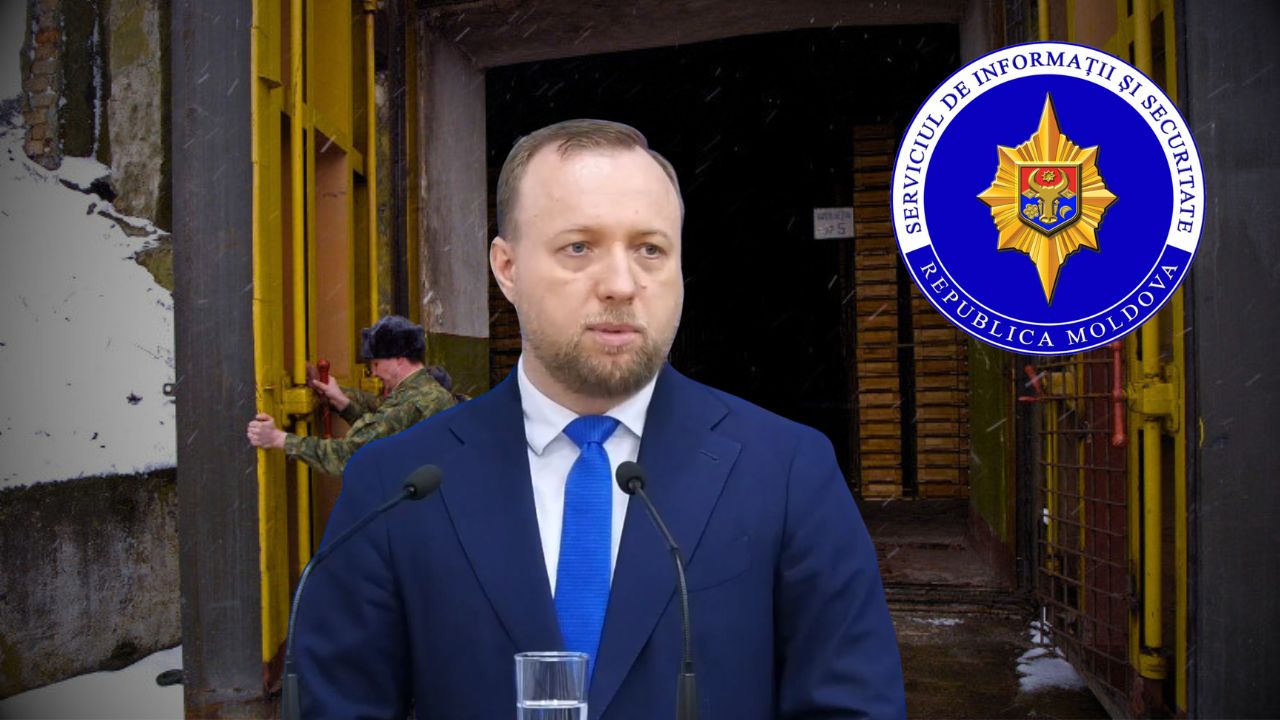
Moldova’s Security and Intelligence Service (SIS) has recorded an increase in the number of Moldovan citizens recruited through Telegram to carry out activities at the direction of the Russian Federation, including on Ukrainian territory. SIS director Alexandru Musteața said some of those recruited remain in Moldova and that Moldovan authorities are cooperating with Ukrainian security institutions to identify and prevent such activities.
Tensions also emerged around the September 20 legislative elections. Foreign Minister Mihai Popșoi said Moldova would send Moscow a protest note after the de facto authorities in the Transnistrian region said they intended to open more polling stations than had been approved by the authorities in Chișinău.
Meanwhile, President Maia Sandu expressed “full solidarity” with Germany after German authorities said Russia was responsible for an August 4 drone incident at Leipzig/Halle airport. Sandu said such attacks were intended to test Europe’s limits and undermine support for Ukraine, calling for a united European response.
Law enforcement officers carried out around 20 searches across Moldova on September 3 in a criminal case concerning alleged illegal financing of political parties and money laundering through virtual assets, with 16 people targeted by the investigation.
According to investigators, virtual assets arriving from abroad were allegedly collected in a central electronic wallet directly controlled by the group’s treasurer. The cryptocurrency was then transferred to intermediaries who allegedly converted it into Moldovan lei.

Criuleni murder-suicide exposes failures in electronic monitoring system
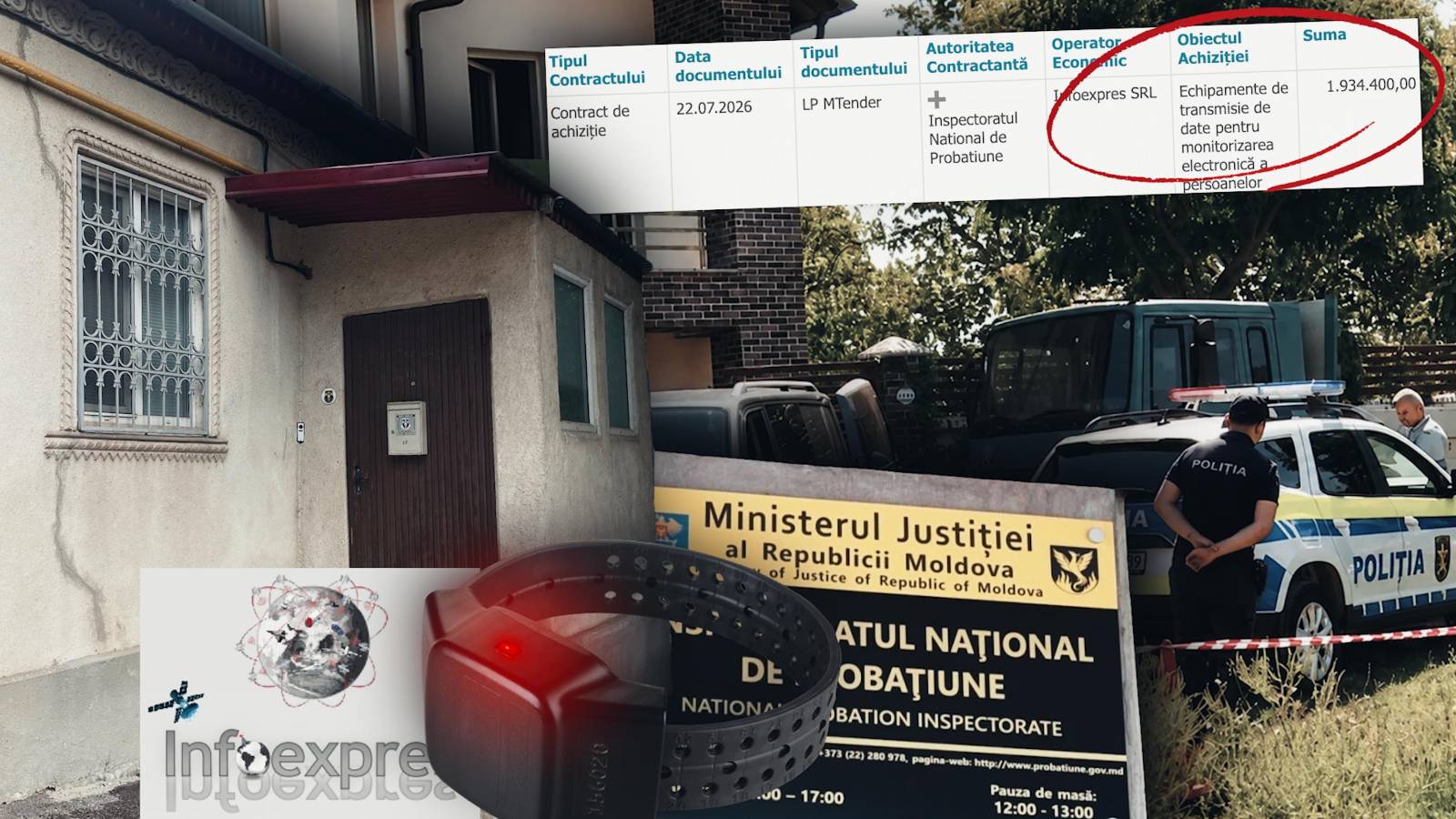
A murder-suicide in Criuleni district raised serious questions about the authorities’ ability to monitor domestic abusers subject to court restrictions. On August 31, a 47-year-old man killed his wife with an illegally held firearm before taking his own life. At the time, he was supposed to be electronically monitored and was prohibited from approaching within 300 meters of his wife, with whom he was going through a divorce, and their minor children.
The signal from his electronic bracelet had disappeared on August 25, the same day the device was fitted. According to ZdG sources, the man was aware that the bracelet was malfunctioning and had signed a document undertaking to return for a working device, but this did not happen. The National Probation Inspectorate did not inform police about the malfunction until after the tragedy. Its director, Viorel Sochircă, resigned on September 2.
A ZdG investigation also found that the Inspectorate has repeatedly purchased electronic monitoring bracelets from the same company for almost 6 years. The firm won the latest tender in 2026 after several failed procedures in 2025 and after some technical requirements were removed or simplified. A former tender participant told ZdG that requirements for compatibility with a system developed by the winning company may have favored it. The Inspectorate rejected the allegations.
Prime Minister Vasile Tofan subsequently announced five urgent measures aimed at reducing the risk of similar cases. Police will receive information when domestic abusers subject to protection orders enter or leave Moldova and will be given access to the electronic monitoring platform. The government also plans criminal penalties for violations of police restraining orders and court-issued protection orders.
Government revises 2026 budget and tightens energy compensation rules
The government approved amendments to Moldova’s 2026 state budget on September 2, including additional funding for public-sector employees, energy compensation, salaries and local infrastructure. Some 560 million lei will be allocated for exceptional one-off payments to certain categories of public-sector employees, while transfers to the state social insurance budget will increase by 1.6 billion lei. Of that amount, 550 million lei will be used for monetary energy compensation.
The National Fund for Regional and Local Development will receive an additional 1 billion lei to complete local infrastructure projects, while the Road Fund will be supplemented by 300 million lei. Another 651.7 million lei will cover salary needs. At the same time, spending on externally financed projects is expected to fall by about 959.8 million lei. Following the revisions, state budget revenues are projected at 80.27 billion lei and expenditures at 103.35 billion lei, leaving a deficit of 23.07 billion lei, equivalent to 5.95% of GDP.
Prime Minister Vasile Tofan also announced stricter eligibility criteria for heating-season compensation in 2026, saying the changes are intended to ensure that vulnerable households receive support. The government has allocated 550 million lei and is seeking additional funds for potentially more generous compensation.
Moldova begins phasing out tax privileges for Transnistrian businesses
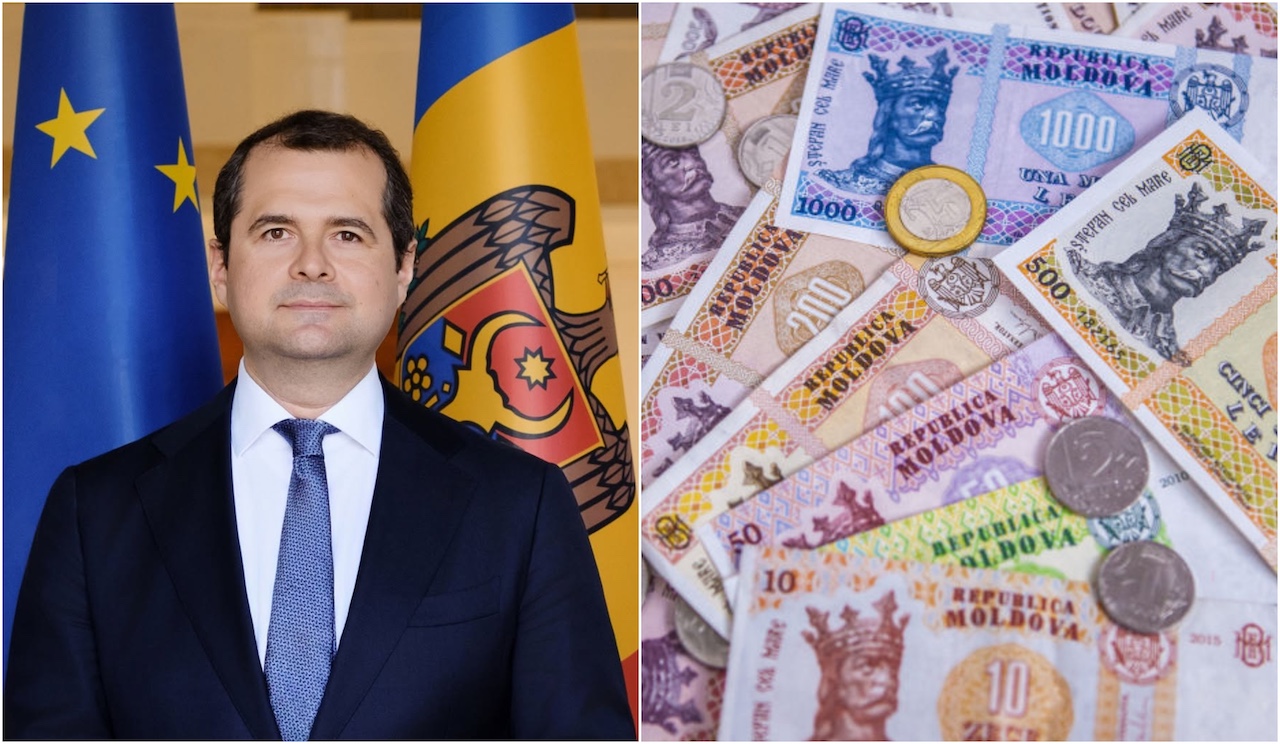
From September 1, Moldovan authorities began applying VAT and excise duties to certain categories of goods imported by businesses from the Transnistrian region. The first stage covers products including alcohol, tobacco, caviar, perfumes, precious metals and stones, jewelry, pearls, furs and certain vehicles.
The list will gradually be expanded, with the authorities aiming to fully apply Moldova’s general fiscal regime by January 1, 2030. The move begins the phase-out of tax privileges enjoyed by businesses in the region for more than two decades and was described by the government as an important step toward the country’s gradual reintegration and the creation of a uniform economic, customs and fiscal space.
Parliament advances “Restart in Education” reform as new school year begins
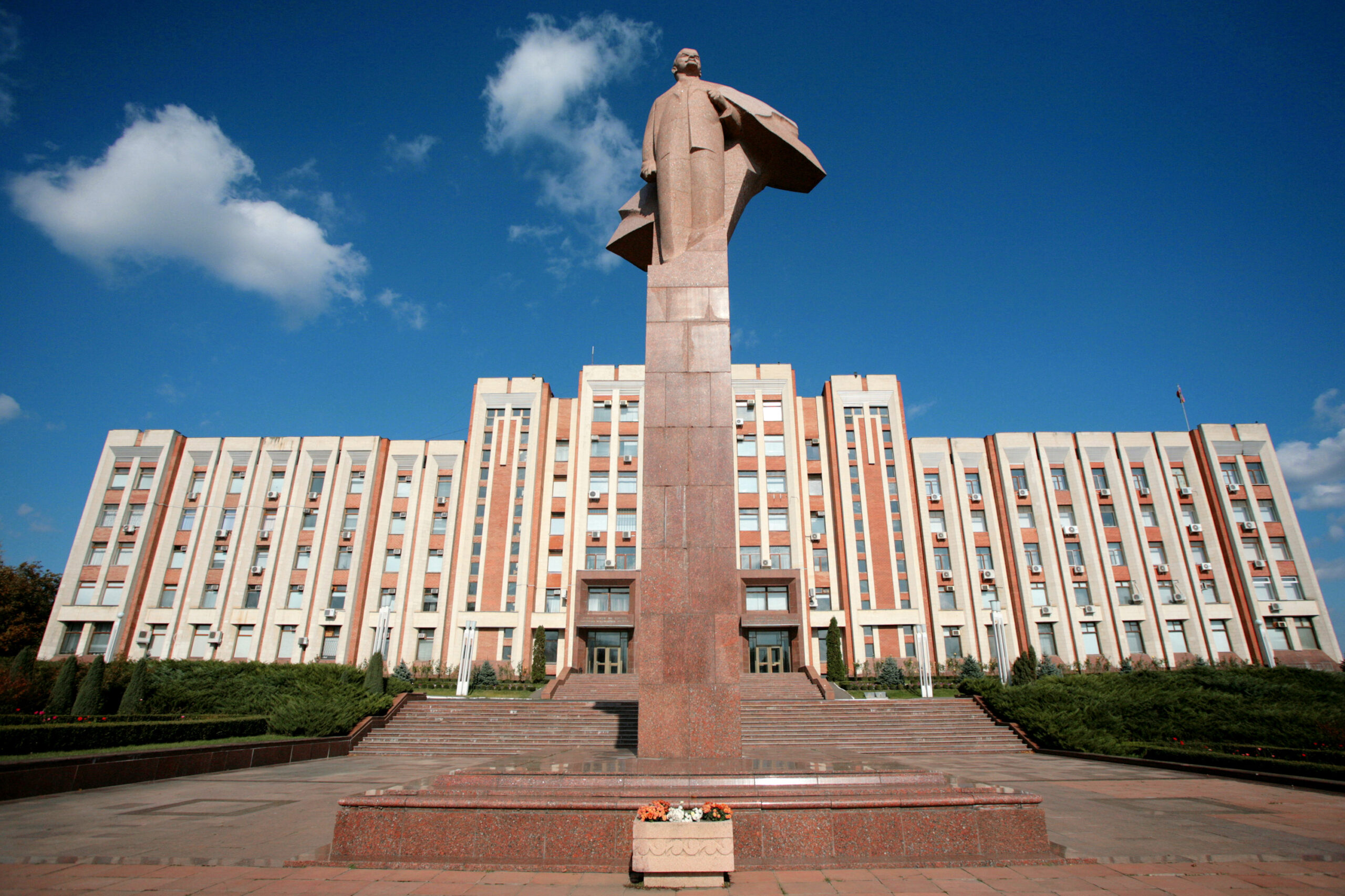
Parliament approved in the second reading the “Restart in Education” reform, which will reorganize the administration of Moldova’s general education system. One of its central changes is the creation of Territorial Education Agencies, which will replace the existing district and municipal education directorates and departments and operate under the Ministry of Education and Research.
Chișinău Mayor Ion Ceban criticized the reform, arguing that transferring school administration to structures subordinate to the ministry represented a “strictly political” decision.
ZdG examines problems with Casa Verde and Moldovans occupying abandoned buildings in Brussels
ZdG reported complaints from beneficiaries of the government’s “Casa Verde” program, which offers up to 200,000 lei for home energy-efficiency improvements and is intended to cover up to half of beneficiaries’ costs. Applicants described months-long waiting periods, bureaucracy and offers from some participating suppliers that were tens of thousands — and in some cases as much as 100,000 lei — more expensive than comparable offers from companies outside the program.
Separately, ZdG examined a phenomenon that has repeatedly attracted attention in the Belgian press: groups consisting largely of Moldovan citizens illegally occupying abandoned buildings in Brussels. Over the past four years, groups numbering dozens and sometimes hundreds of people have temporarily occupied former consulates, former European Commission premises, office buildings and properties awaiting demolition, before being evicted and later appearing at other locations. The cases have prompted complaints from residents, reactions from local authorities and police interventions. According to the report, alternative accommodation was generally offered through a program, but was often refused because members of the groups wanted to remain together.