Moldova opens second EU negotiation cluster | New prime minister seeks parliamentary backing | Corruption and energy issues
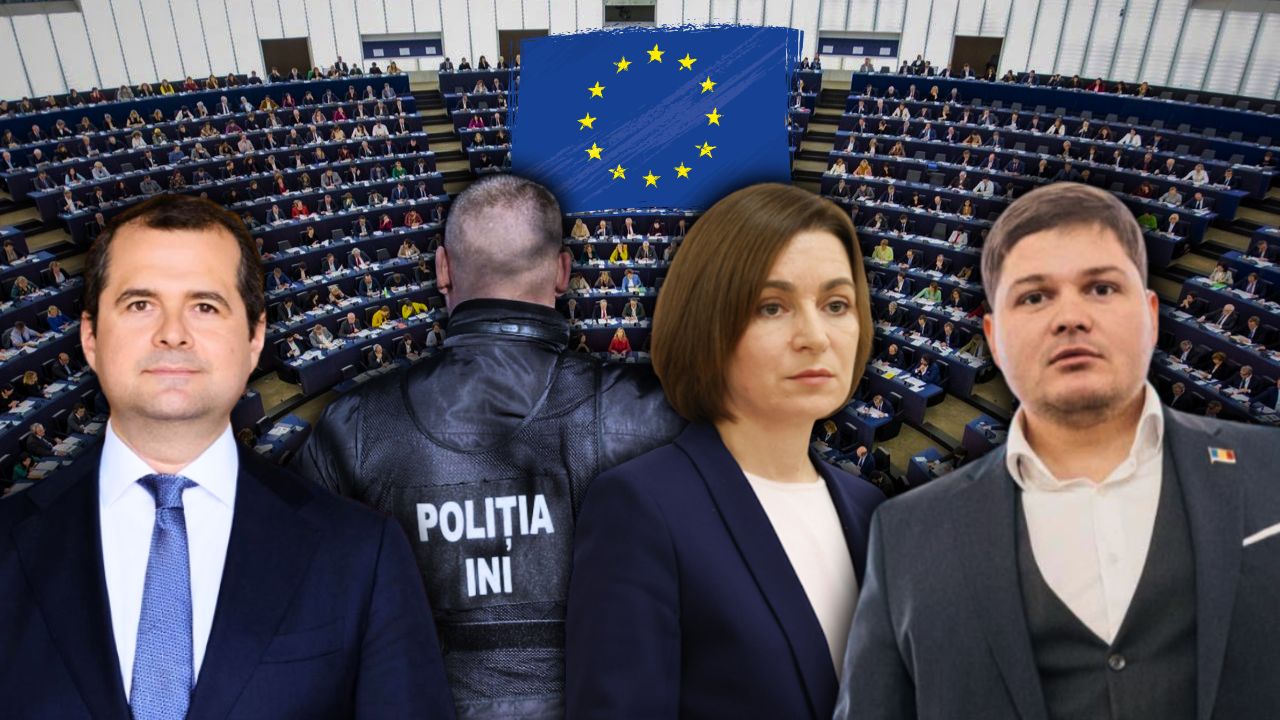

Moldova’s European integration agenda remained at the center of political developments this week, as the country opened accession negotiations with the European Union on Cluster 6, “External Relations,” while President Maia Sandu nominated businessman Vasile Tofan for prime minister following the resignation of Alexandru Munteanu.
The week was also marked by growing security concerns, after a Russian drone carrying explosives violated Moldova’s airspace, prompting a diplomatic protest against Moscow and renewed discussions about strengthening the country’s defense capabilities amid Russia’s ongoing war against Ukraine.
At the same time, authorities advanced several high-profile corruption and political financing cases, while disputes over energy security, water supplies for Chișinău, and the use of public institutions for political promotion fueled broader debates about governance and accountability.
Moldova advances EU accession talks while preparing for a new government
European integration remained at the center of Moldova’s political agenda this week, as the country opened accession negotiations with the European Union on Cluster 6, “External Relations,” marking another step in its membership process. At the same time, President Maia Sandu formally nominated businessman Vasile Tofan for the position of prime minister, following the resignation of Alexandru Munteanu earlier this month.
The opening of negotiations on Cluster 6 was announced after the third Moldova–EU Intergovernmental Conference in Brussels. The cluster covers foreign relations, security, and defense policy, and is the second negotiation group launched after the opening of Cluster 1, “Fundamental Values,” in June. Moldovan authorities described the move as further confirmation of the country’s progress toward EU membership.
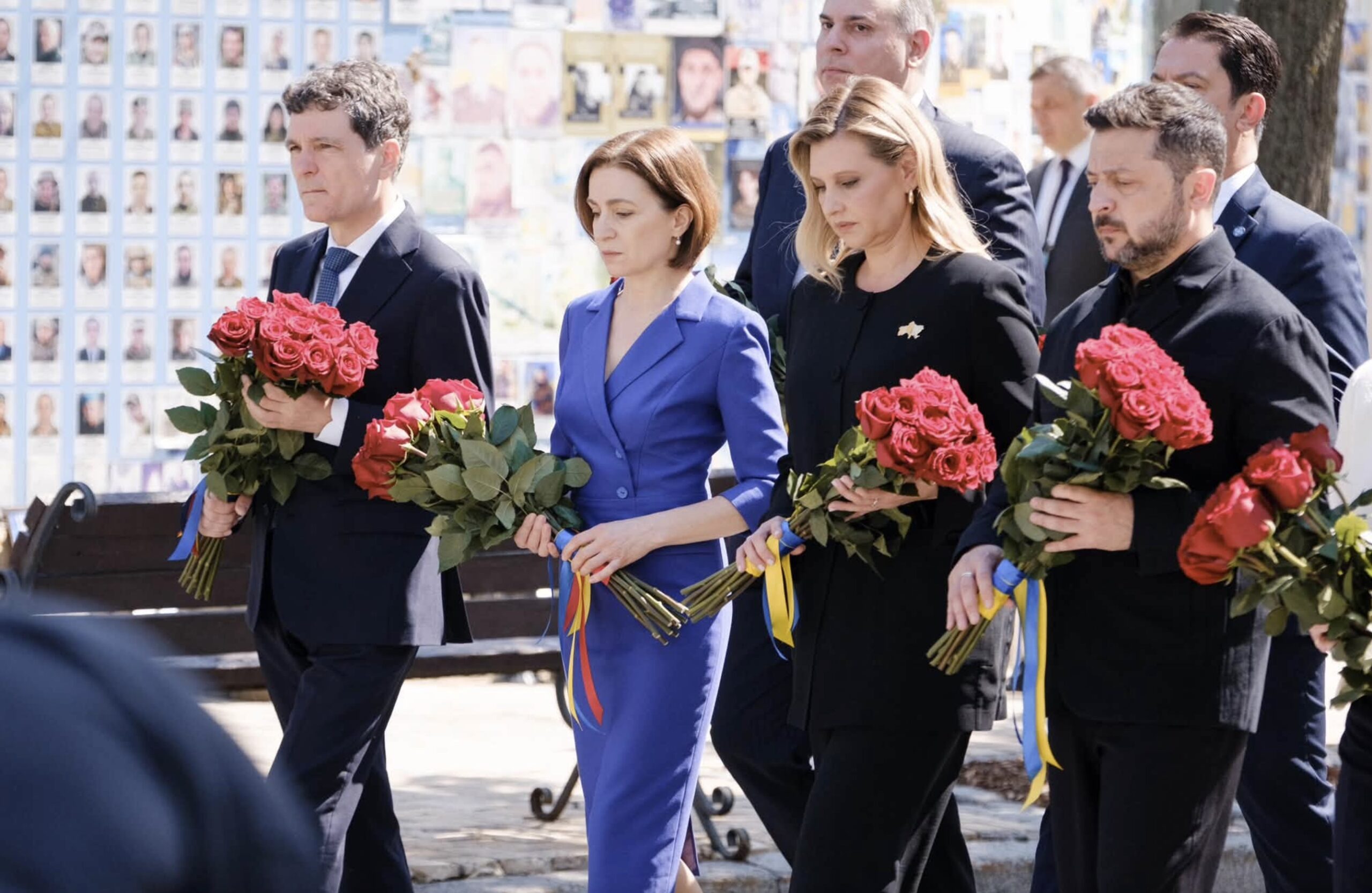
European security and regional stability also featured prominently this week. President Maia Sandu met Ukrainian President Volodymyr Zelenskyy in Kyiv during the Ukraine–Southeast Europe Summit, where the two leaders discussed regional security and continued support for Ukraine in the face of Russia’s full-scale invasion.
Sandu also participated for the first time in the so-called “Coalition of the Willing,” an international format bringing together countries supporting Ukraine. Following the meeting, she welcomed the European Union’s decision to allocate €120 million to Moldova in 2026 to strengthen defense capabilities, particularly air defense systems. Her remarks came one day after a Russian drone carrying approximately 40 kilograms of explosives violated Moldova’s airspace, highlighting the country’s growing security concerns despite its constitutional neutrality. Also, made an official visit in Kiev.
The incident prompted Moldova’s Ministry of Foreign Affairs to summon Russia’s ambassador, Oleg Ozerov. The move followed a series of similar diplomatic protests over Russian military actions that have affected Moldova’s security and environment in recent months.
New prime minister nominee prepares to seek parliamentary approval
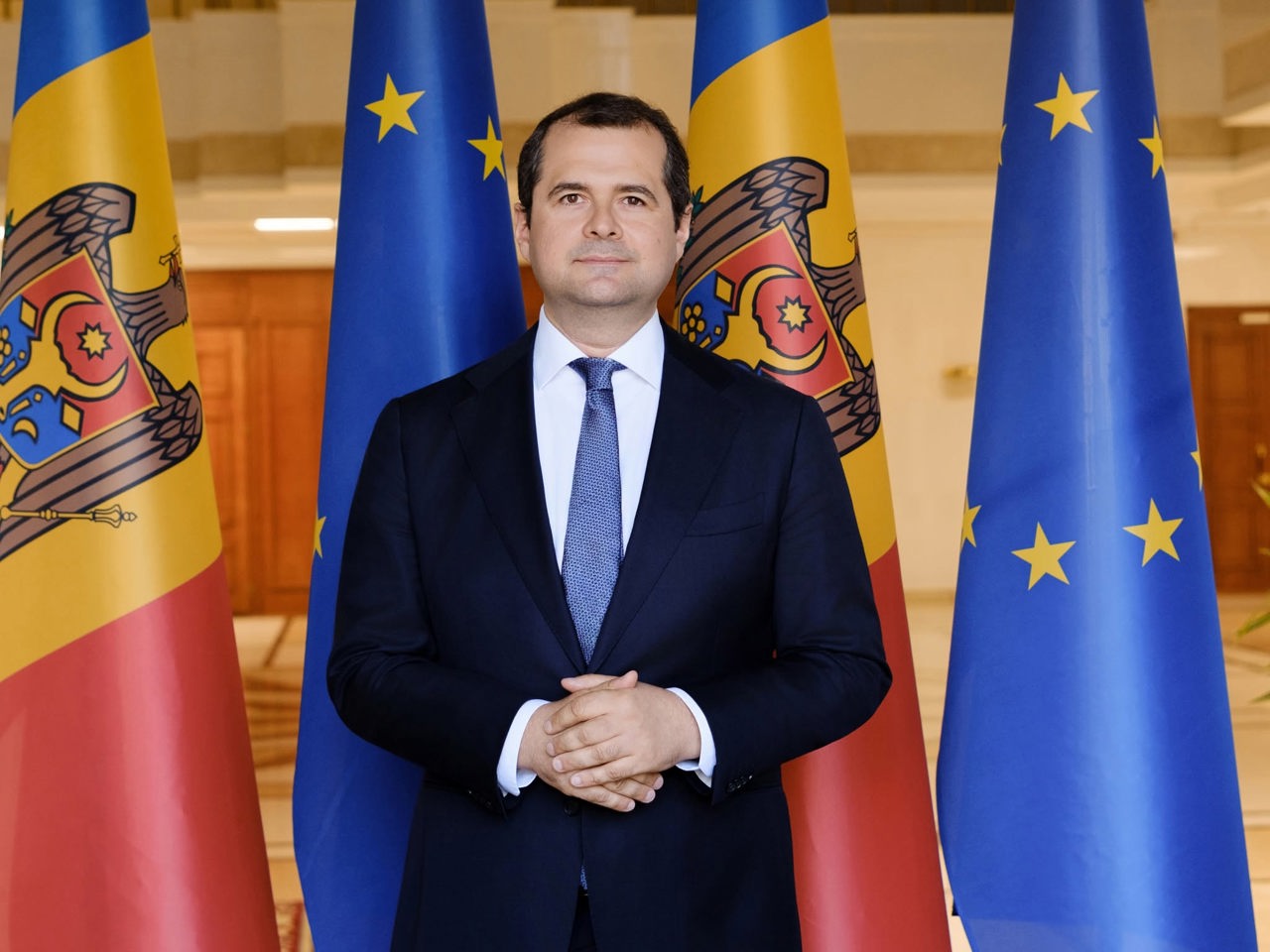
Following the collapse of the previous government, President Maia Sandu officially nominated entrepreneur Vasile Tofan as candidate for prime minister. Sandu said the next government’s priorities should include advancing EU accession, strengthening state institutions, and boosting economic growth.
Tofan, who has no previous political experience, described the nomination as a responsibility rather than a personal achievement. He outlined three priorities: restoring public trust, developing the economy, and building an effective governing team.
The government program of the future Cabinet is in its final stages of preparation, and the government team is set to be presented to Parliament on July 21. The announcement was made by the prime minister-designate following consultations with parliamentary factions, as well as representatives of several associations and organizations.
The official stated that he will appear before the legislature with “a team of strong professionals” capable of ensuring a faster pace of work within state institutions and continuing the reform agenda.
He also presented the new Cabinet, although only four changes were made compared to the previous government. Radu Musteață, director of the National Food Safety Agency, will replace Ludmila Catlabuga as Minister of Agriculture. Victoria Belous will return as Minister of Finance after having been replaced by Adrian Gavriliță in the government formed in 2025. At the same time, former rector of the State University of Medicine and Pharmacy, Emil Ceban, will be replaced as Minister of Health by presidential adviser on health affairs Alexandru Gasnaș. The final change was made at the Ministry of Culture, where Dan Suruceanu was appointed to replace Cristian Jardan.
Corruption cases and political controversies continue
Former senior investigator Ion Lisnic was convicted of influence peddling after admitting that he had requested and received €25,000 in exchange for intervening in a criminal case. Although prosecutors requested a prison sentence, the court imposed a fine of 150,000 lei and restrictions on leaving the country until the verdict becomes final.
Another court sentenced Elena Bozbei, a former local secretary of the Chance Party, to a suspended three-year prison term for involvement in the illegal financing of political parties through prohibited sources. The case is part of a broader investigation into political networks linked to fugitive oligarch Ilan Șor and parties associated with him.
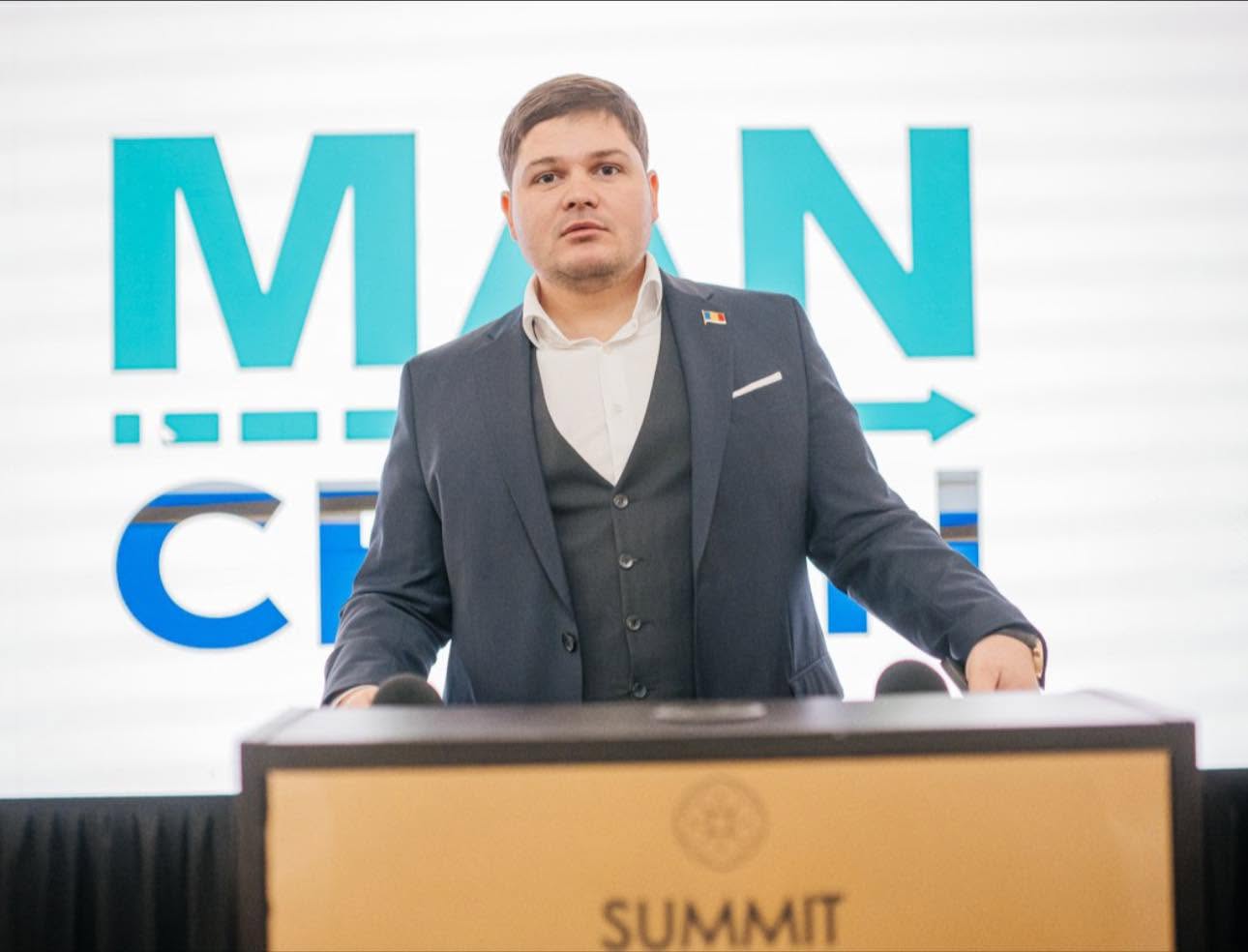
Authorities also opened a criminal investigation against Ion Onța, a municipal councilor from the opposition National Alternative Movement (MAN), who is suspected of defrauding investors of more than €155,000 through alleged fictitious real-estate schemes. He was placed under house arrest for 30 days while the investigation continues.
A separate controversy involved Bogdan Zgherea, the 21-year-old vice president of PAS Youth. Investigative reporting revealed that he had worked for the Ministry of Culture through service contracts awarded without public tenders and received annual remuneration of approximately 300,000 lei despite not holding a university degree. While prosecutors previously found no criminal violations, anti-corruption experts suggested the case could constitute favoritism. Following public criticism, Culture Minister Cristian Jardan announced the termination of the collaboration.
Energy concerns linked to instability in the Middle East
The government also warned that instability in the Middle East continues to affect energy markets. Energy Minister Dorin Junghietu cited regional tensions while explaining proposed changes to Moldova’s fuel pricing regulations.
Energy experts noted that attacks on natural gas production and export infrastructure in the Persian Gulf have contributed to higher transportation, insurance, and supply costs, with potential implications for Moldova’s energy market.
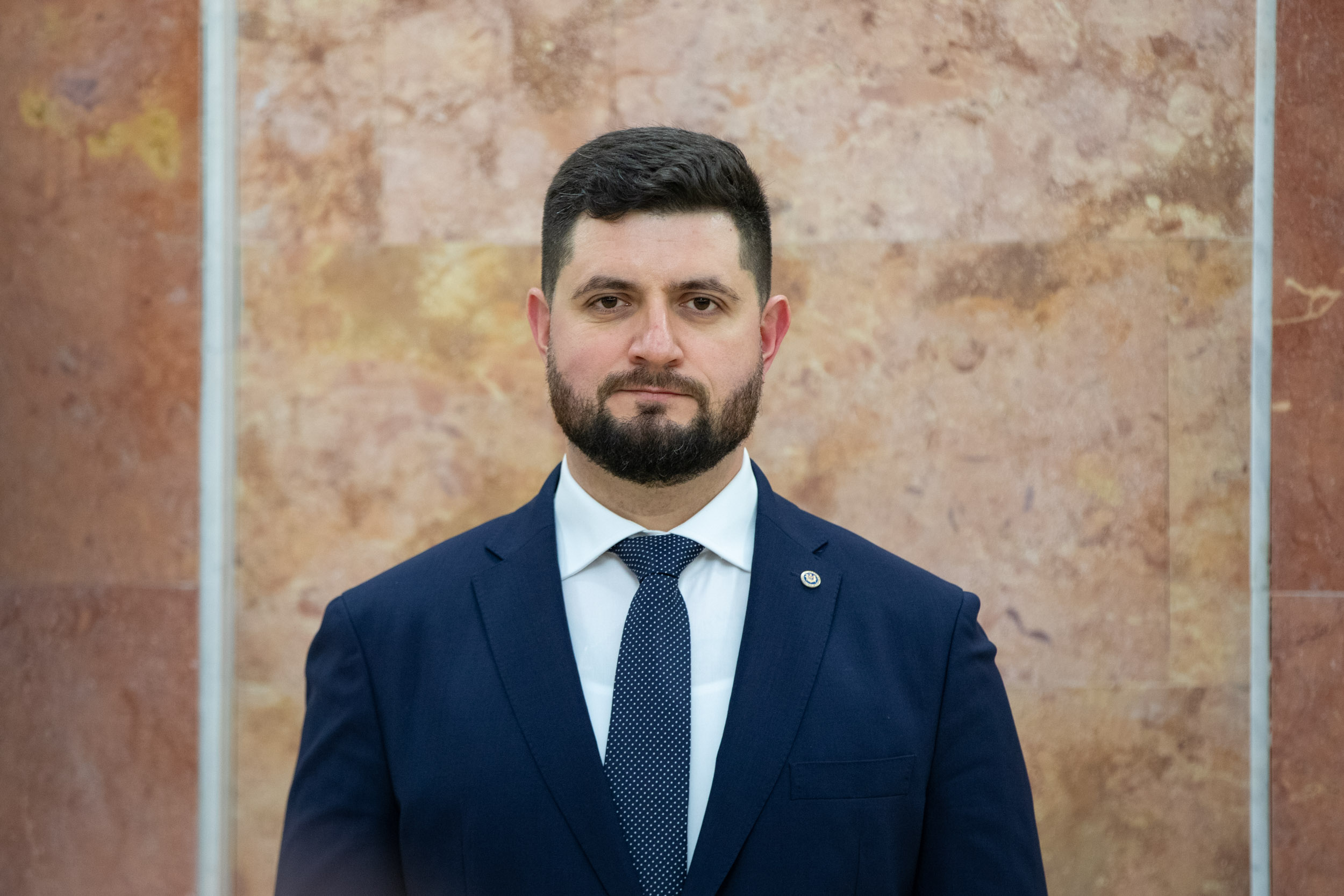
Chișinău could face a water supply crisis, according to Environment Minister Gheorghe Hajder. He said Ukrainian authorities informed Moldova that water levels in the Novodnestrovsk reservoir have reached a historic low. As a result, Hajder asked Mayor Ion Ceban to clarify whether the capital has alternative water sources in case of disruptions.
Mayor Ion Ceban rejected the concerns, accusing the central authorities of deliberately and artificially trying to leave Chișinău without water. He argued that there are no problems on the Dniester River and announced that he would ask the Prosecutor’s Office to investigate the situation.
New professional body for psychologists
In a significant institutional reform, Moldova launched the process of establishing its first National College of Psychologists. The body will regulate the profession, oversee ethical standards, manage a national register of licensed psychologists, and supervise professional certification procedures.
Authorities say the reform aims to improve the quality and accountability of psychological services while creating a unified framework for practitioners working in both the public and private sectors.