EU backs Moldova amid political uncertainty | Interim government takes over after PM resignation | New ruling concerning the autonomy of Gagauzia
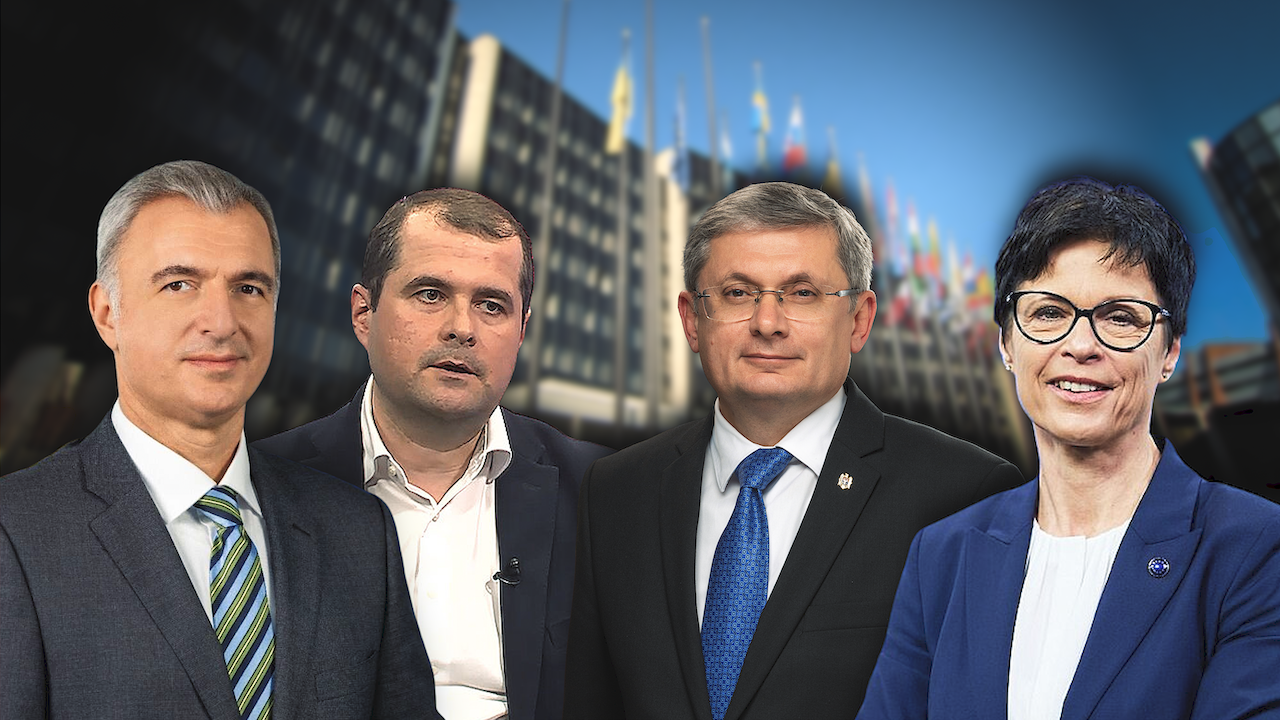

Moldova’s European integration agenda remained at the forefront this week despite the political uncertainty triggered by the recent resignation of Prime Minister Alexandru Munteanu. European institutions reiterated their support for Moldova’s reform path, as European Parliament asked the European Council to open all accession negotiation clusters with Moldova.
At the same time, authorities continued to deal with the political fallout of the MoldATSA scandal, after the Ziarul de Garda’s (ZdG) investigation, which has already led to the collapse of the government and sparked a broader debate about the management of state-owned enterprises.
The week was also marked by several significant developments in the justice sector, including convictions in high-profile corruption cases, new criminal investigations, and a Constitutional Court ruling that further clarified the limits of Gagauzia’s autonomy.
European Parliament asked the European Council to open all accession negotiation clusters with Moldova
The European Commission reacted to the resignation of Prime Minister Alexandru Munteanu by emphasizing that it respects Moldova’s constitutional processes and remains committed to supporting the country’s reforms and European integration. Brussels stressed that the EU–Moldova partnership remains strong despite the domestic political crisis.
Moldova also received several positive signals from European institutions. The European Parliament adopted its annual report on Moldova, calling on the European Council to open all accession negotiation clusters and urging increased financial and technical support for the country. Meanwhile, Deputy Prime Minister Cristina Gherasimov announced that Moldova had been invited to present its negotiating position on Cluster 6, covering external relations.
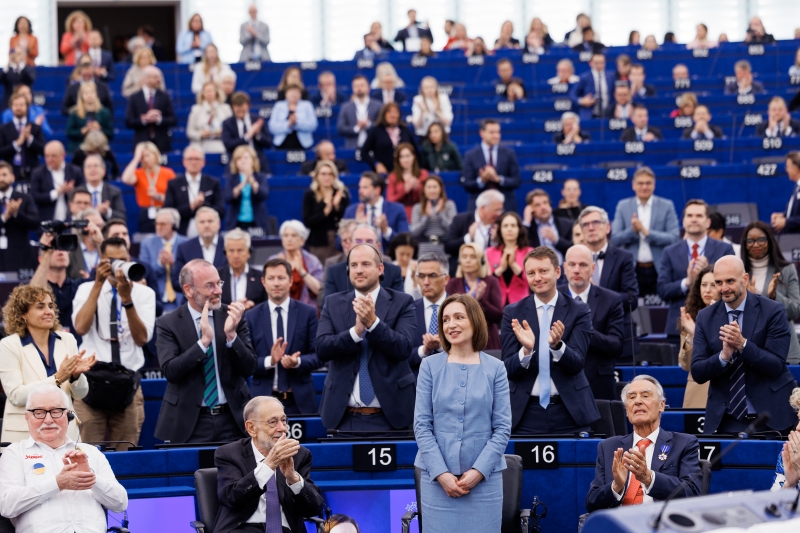
Parliament Speaker Igor Grosu and his counterparts from other candidate countries signed a declaration establishing a permanent platform for parliamentary cooperation among EU candidate states. Moldova is also set to host the next Conference of Speakers of Parliaments of EU candidate countries in 2027.
The government reported that Moldova fulfilled more than 90% of the reform measures planned for the first half of 2026 under the EU Growth Plan. The results are still subject to final assessment by the European Commission. At the same time, authorities reported that exports from the Transnistrian region to EU member states continued to account for nearly 77% of the region’s total external trade.

On the foreign policy front, the Ministry of Foreign Affairs warned Moldovan citizens about increasing risks when traveling to Russia and Belarus. Authorities reported more cases of extensive border checks and alleged pressure on detained individuals to sign military service contracts with the Russian armed forces. Foreign Minister Mihai Popșoi warned that obtaining Russian citizenship could become a “ticket to the front.”
An interim prime minister and new investigation on a PAS lawmaker
The political consequences of the MoldATSA scandal continued to dominate public life. After announcing his resignation on July 3, outgoing Prime Minister Alexandru Munteanu defended his decision, saying he had a clear conscience and declining to provide further details. His departure came after a series of resignations linked to revelations made by ZdG about the appointment of MoldATSA’s former director.
President Maia Sandu appointed the current Economy Minister Eugeniu Osmochescu as interim prime minister until a new government is formed.
The PAS parliamentary faction, which holds the majority in Parliament, will nominate entrepreneur Vasile Tofan for the position of Prime Minister during the consultations scheduled for Saturday, July 11. The announcement was made by Igor Grosu, Speaker of Parliament and leader of the political party.
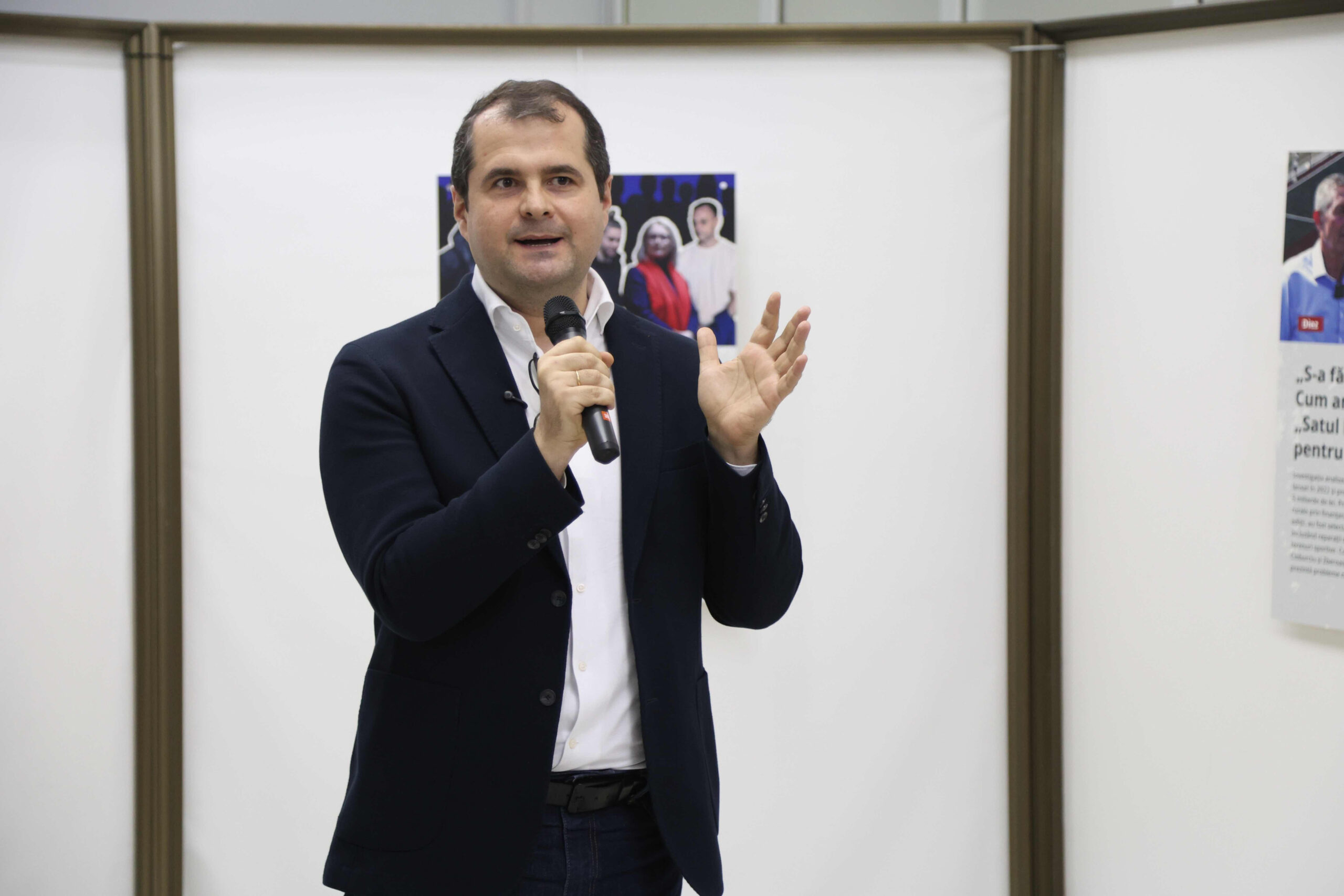
Parliament formally established a special commission of inquiry to investigate the activity of several state-owned enterprises following the MoldATSA scandal. The commission, led by MP Dinu Plîngău, will include representatives of all parliamentary factions and may consult investigative journalists as part of its work. Former anti-corruption prosecutor Octavian Iachimovschi also joined the commission.
The week also revealed business activities of PAS lawmaker Alexandr Trubca, who publicly defended his investments in a real estate project and denied allegations of conflicts of interest before the publication of an investigative report.
New major court decisions
One of the most important judicial developments was the Court of Appeal’s decision to uphold the 10-year prison sentence handed to former Banca de Economii acting chairman Viorel Bîrca. Prosecutors say he participated in the theft of $100 million from the bank through falsified SWIFT payment orders during the period associated with Moldova’s banking fraud scandal. The court also maintained an order requiring him to repay the full amount.
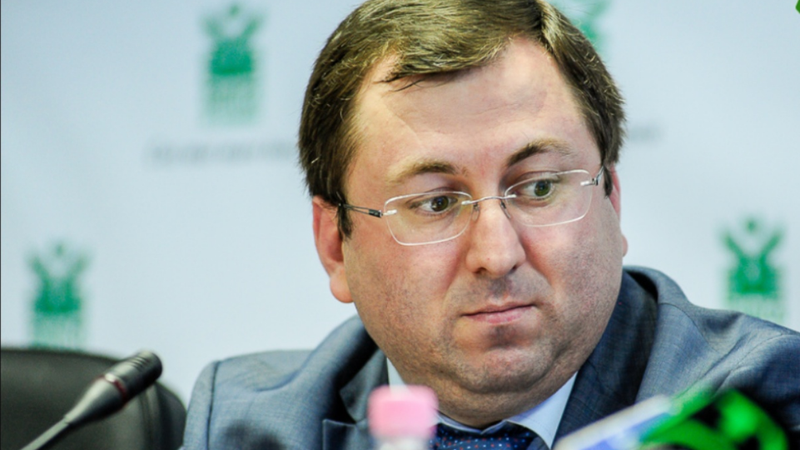
The director of Penitentiary No. 9 “Pruncul,” Eduard Timofei, was detained by anti-corruption prosecutors on suspicion of corruption and abuse of office. Prosecutors announced they seeked 30 days detention.
Another court sentenced Cristian Pîntea, the head of the former Șor Party’s Briceni territorial organization, to four years in prison. The court ordered his arrest pending the final entry into force of the verdict.
An important ruling concerning the autonomy of Gagauzia
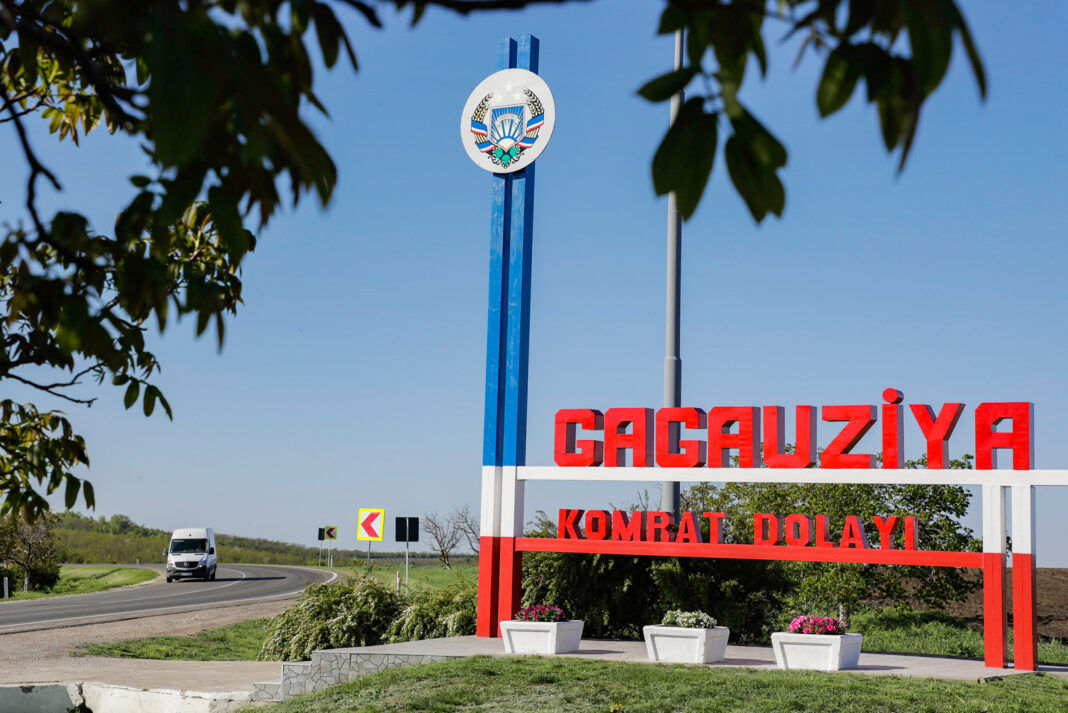
The Constitutional Court delivered a landmark ruling concerning the autonomy of Gagauzia. Judges declared unconstitutional provisions that allowed the People’s Assembly of Gagauzia to participate in appointing regional police, justice, and security officials. The ruling supported the position of the Ministry of Justice and clarified the limits of the autonomy’s powers in relation to state institutions. Legal experts described the decision as an effort to define competencies rather than restrict autonomy.
Meanwhile, the Security and Intelligence Service (SIS) proposed legislative amendments aimed at aligning Moldova’s anti-terrorism framework with EU standards and Venice Commission recommendations. The draft law would allow SIS to order the removal or blocking of online terrorist content within one hour and would transfer certain coordination responsibilities from Parliament to the President.
The minister of Health, in tears
Moldova commemorated the victims of the Soviet deportations of July 1949, the largest deportation operation carried out on the territory of present-day Moldova. State officials participated in memorial events marking the forced deportation of more than 50,000 people, including nearly 12,000 children.
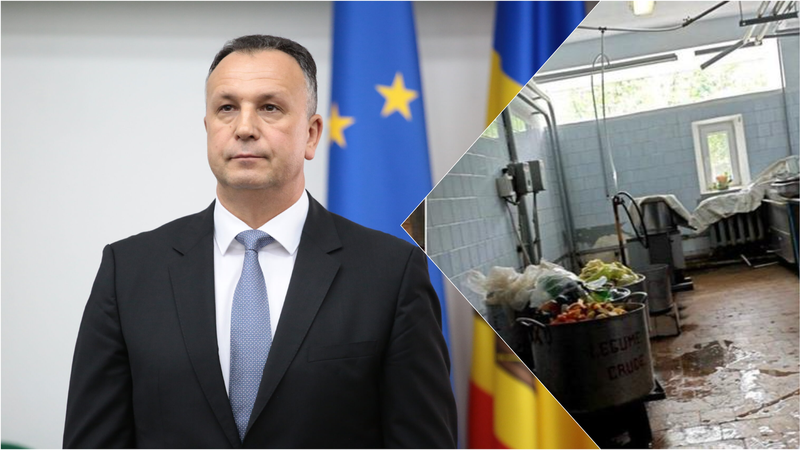
In the health sector, authorities replaced the interim director of Bălți Clinical Hospital after photographs showing poor conditions in the institution’s food preparation facilities sparked public criticism. The Ministry of Health announced that a competition for a permanent director would be organized after a new government is formed, while the hospital promised renovation works and catering services for patients. The Minister of Health cried while speaking on the problem, as he started his career at that hospital.
Environmental prosecutors also launched an investigation into alleged illegal construction and deforestation in the “Doina” forest area near Chișinău. Authorities estimate that more than 8,800 square meters of forest land were affected, with environmental damages exceeding 4 million lei.