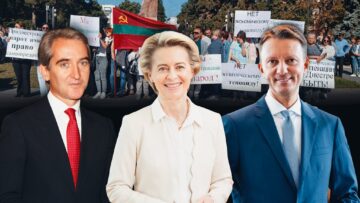
INSIDE MOLDOVA Moldova could conclude EU talks by 2028 | Citizens attracted by Russian online recruitment networks | Fatal Chișinău crash exposes driver’s criminal past
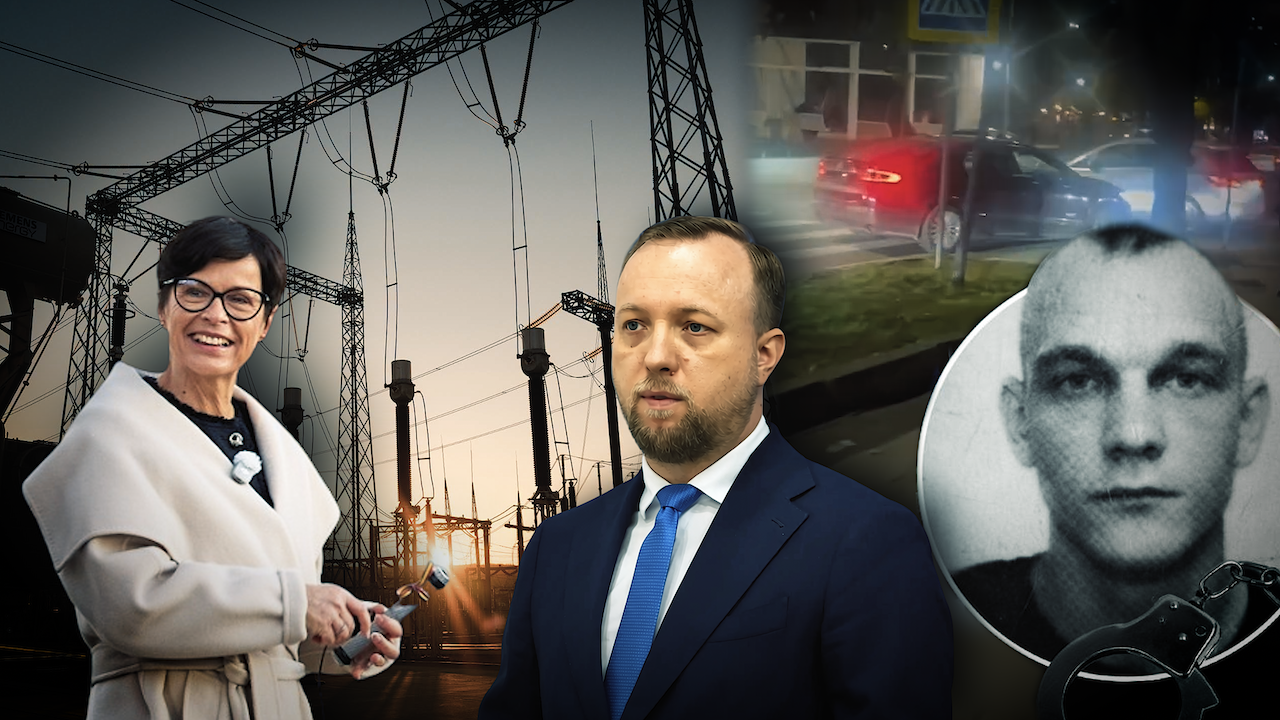

Moldova continued advancing its European integration agenda this week, with European Commissioner for Enlargement Marta Kos stating that the country could complete EU accession negotiations by early 2028 if it maintains its reform momentum. President Maia Sandu emphasized the importance of delivering concrete results in 2027. Meanwhile, Moldova strengthened its international partnerships through a new Japanese loan for agricultural modernization and negotiations to purchase natural gas from Ukraine, while diplomatic tensions with Russia continued.
Domestically, the government prepared reforms to the public-sector salary system and local administrative structures, while Moldova recorded a modest improvement in the World Justice Project’s Rule of Law Index. Security concerns intensified ahead of elections in Gagauzia, with intelligence officials warning of Russian interference and a ZdG investigation exposing efforts to recruit Moldovan citizens into the Russian army. Separately, investigations raised questions about judicial transparency in the potential early release of a former lawyer convicted of corruption and the criminal history of a driver involved in a fatal pedestrian accident in Chișinău.
Moldova could complete EU accession negotiations by early 2028, European commissioner says
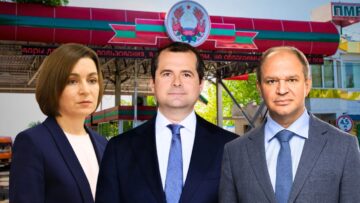
The Republic of Moldova could complete its negotiations for accession to the European Union by early 2028, provided it maintains the current pace of reforms, European Commissioner for Enlargement Marta Kos said during the annual EU Enlargement Conference, held as part of the presentation of the 2026 Enlargement Package.
Kos described the objective as ambitious but achievable. President Maia Sandu emphasized that 2027 should be a year of concrete results, particularly regarding the implementation of reforms required for EU membership.
According to Sandu, the European Commission’s latest enlargement report confirmed Moldova’s progress across all 33 negotiation chapters. The president stated that the country had opened four of the six negotiating clusters and was prepared to open the remaining two, highlighting the importance of maintaining reform momentum in the coming year.
This week also announced that Moldova climbed two positions in the 2026 Rule of Law Index published by the World Justice Project, ranking 66th among 143 countries with a score of 0.53. According to the Ministry of Justice, the country also improved its regional standing in Eastern Europe and Central Asia, moving from sixth to fifth place. The findings were discussed during the annual EU Enlargement Conference, alongside the Ministry of Justice’s priorities for advancing reforms associated with Moldova’s European integration agenda.
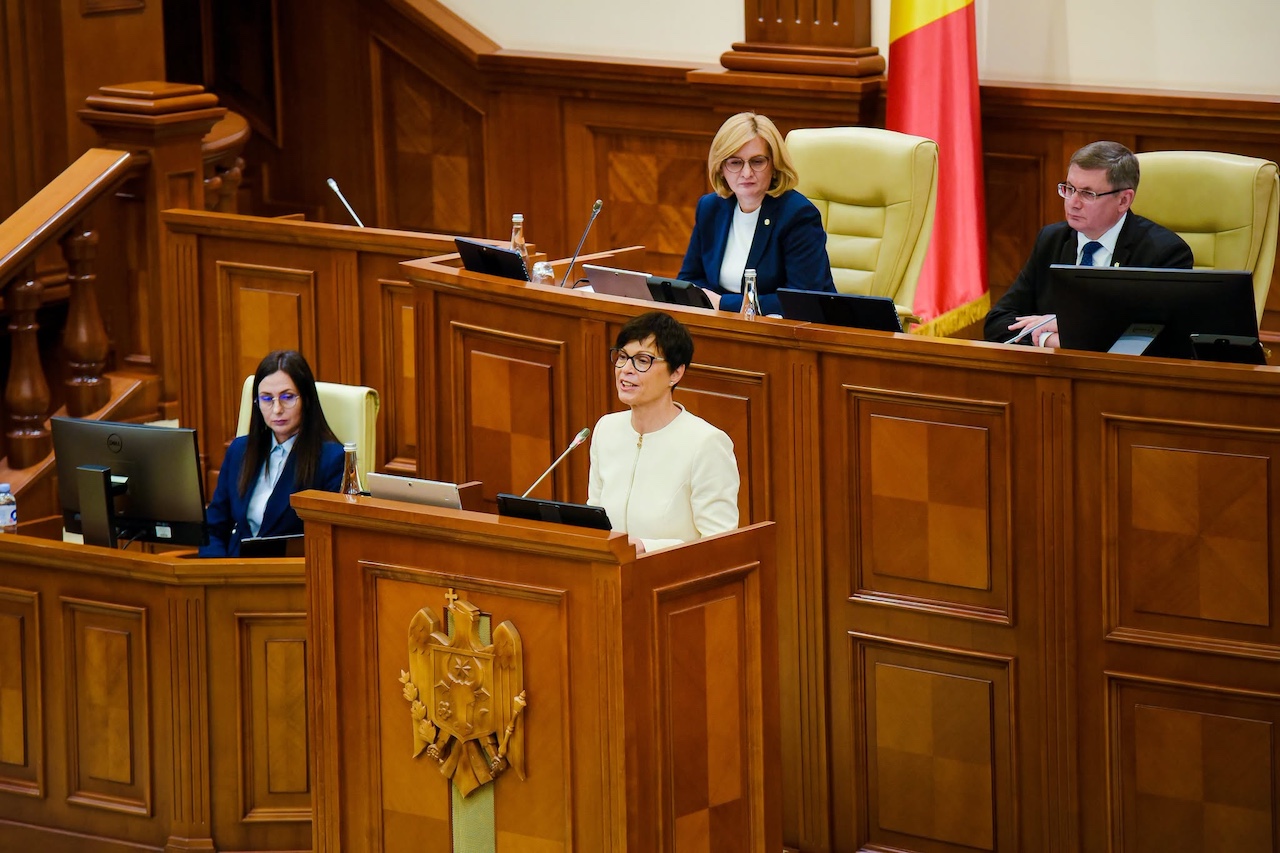
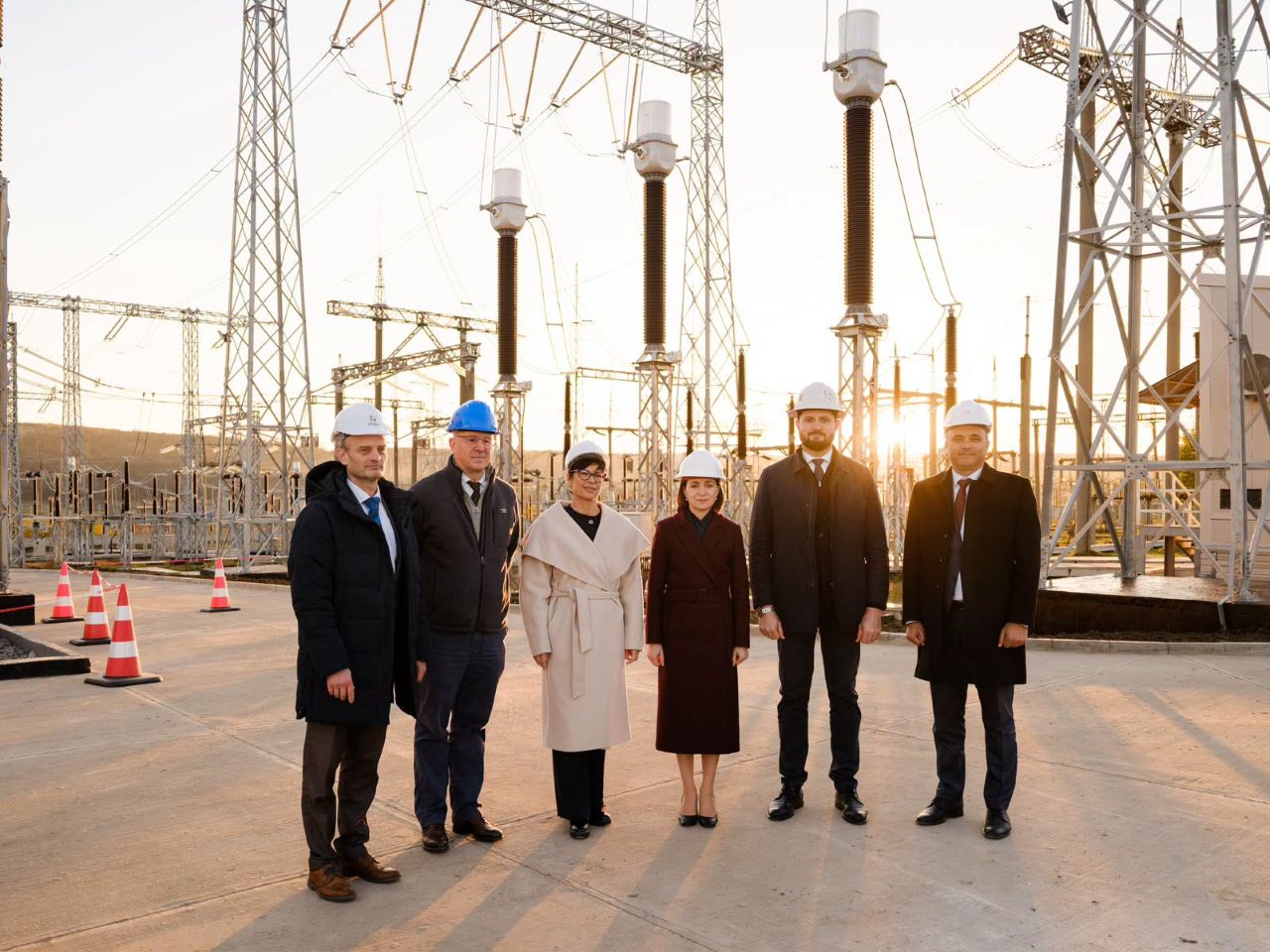
Vulcănești–Chișinău Power Line Inaugurated
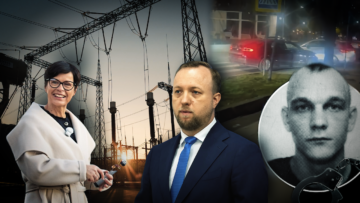
The inauguration of the 400 kV Vulcănești–Chișinău overhead power transmission line took place on Sunday, November 8. The event was attended by European Commissioner for Enlargement Marta Kos, alongside Moldovan President Maia Sandu and Energy Minister Dorin Junghietu.

According to the Ministry of Energy, the Vulcănești–Chișinău power line is Moldova’s most significant investment in electricity transmission infrastructure in recent decades. Once operational, the line will be capable of carrying more than 50% of the country’s electricity consumption and will enable electricity imports from Romania and the European market without passing through the MGRES power hub in the Transnistrian region. This will strengthen Moldova’s energy security and independence.
Japan will provide Moldova with a loan of approximately 980 million lei to support the modernization of agricultural machinery and equipment. On November 9, Foreign Minister Mihai Popșoi and Japanese Ambassador Takeuchi Kazuyuki signed an agreement through an exchange of diplomatic notes, formalizing the financing for the agricultural modernization project.
Separately, Moldova is negotiating the purchase of up to 50 million cubic metres of natural gas from Ukraine, following an initial acquisition of two million cubic metres. Ukrainian Ambassador to Chișinău Paun Rohovei said Kyiv was open to a long-term supply agreement and expected the arrangements to be advantageous for Moldova.
Meanwhile, diplomatic tensions between Moldova and Russia continued. On November 10, Moldovan Ambassador to Moscow Lilian Darii was summoned to the Russian Foreign Ministry, where he reportedly received a note of protest. According to the Kremlin-affiliated TASS news agency, a Moldovan Embassy employee was declared persona non grata in response to Chișinău’s decision to expel a Russian diplomat on October 23.
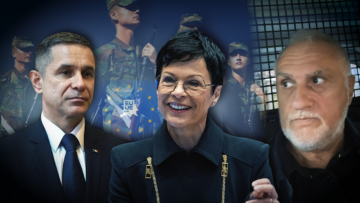
Moldova moves toward ratification of military cooperation agreement with Ukraine
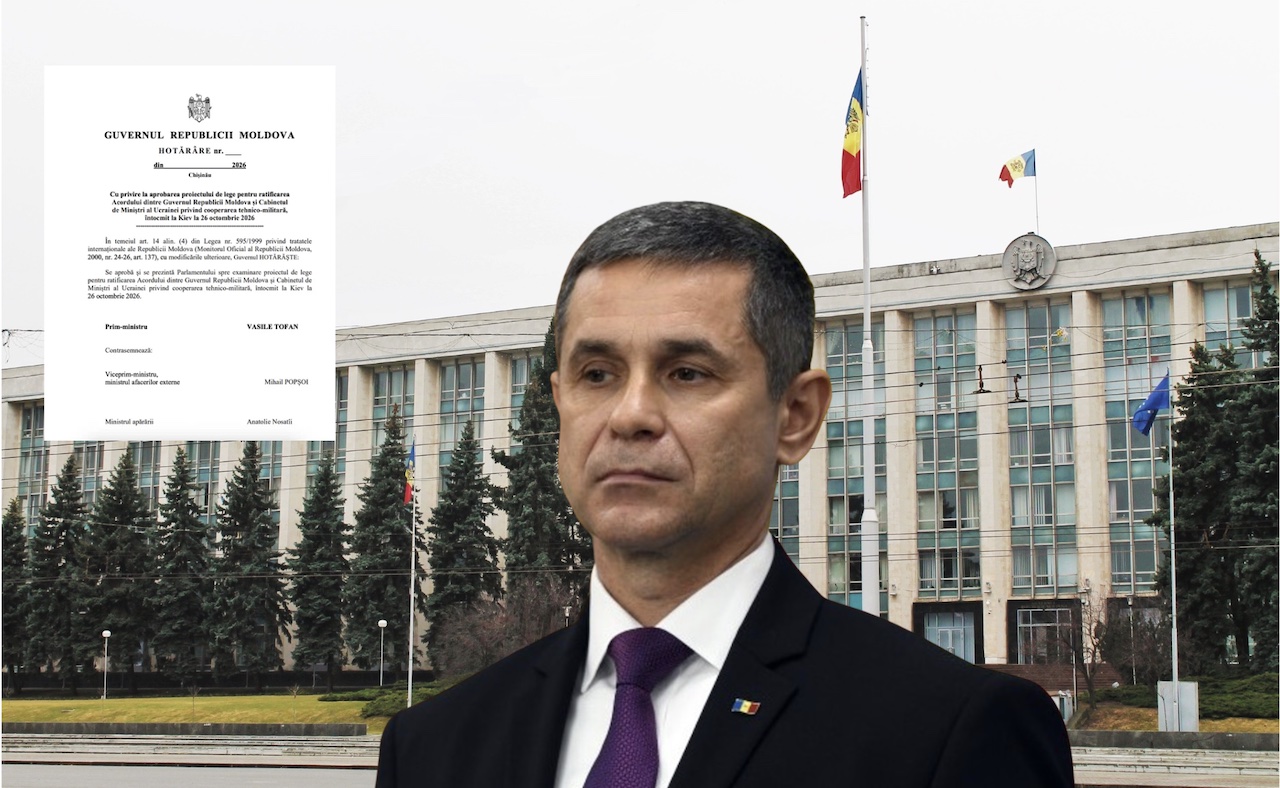
The Moldovan government scheduled for examination a draft law ratifying the technical-military cooperation agreement signed with Ukraine in Kyiv on October 26, 2026. The agreement is intended to establish a framework for bilateral cooperation in the defence sector.
Prime Minister Vasile Tofan previously stated that the agreement does not constitute a security treaty and does not alter Moldova’s constitutional neutrality.
The Socialist Party criticized the signing of the document, calling for its full publication and an urgent parliamentary hearing involving government officials. The party argued that the agreement could risk involving Moldova in a foreign conflict and said it reserved the right to organize protests.
Also, the Moldovan authorities are preparing a comprehensive reform of the public-sector salary system aimed at reducing pay inequalities, improving transparency and making public-sector remuneration more competitive.
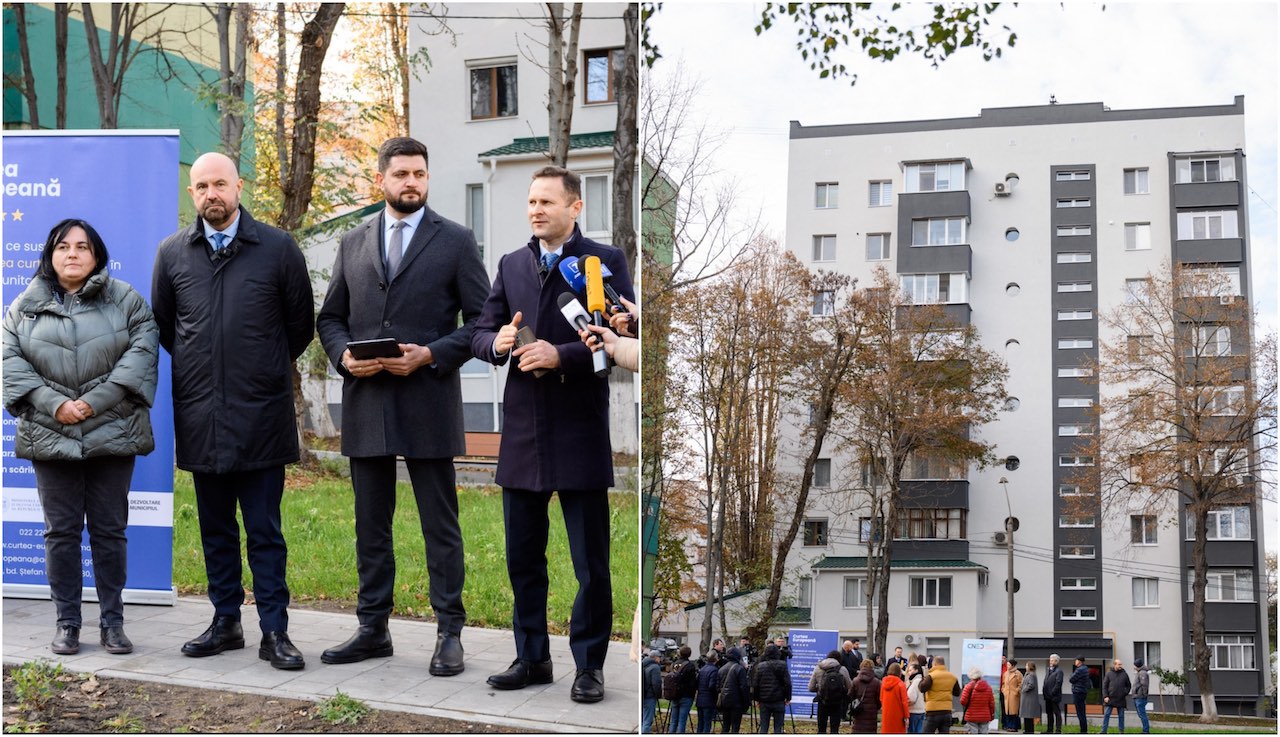
First residential building renovated under government energy efficiency programme inaugurated in Chișinău
The first apartment building renovated under Moldova’s government-funded Residential Energy Efficiency Fund (FEERM) was inaugurated in Chișinău, benefiting 36 families living at 51/5 Calea Ieșilor Street.
According to the Ministry of Infrastructure and Regional Development, the renovation reduced the building’s heat losses by approximately 64%, with estimated annual savings of around 588,000 lei.
The works, valued at 4.03 million lei, included insulating exterior walls and foundations and replacing windows and doors in common areas. Approximately 70% of the costs were covered by a grant administered through the National Centre for Sustainable Energy, while energy-vulnerable households received additional financial assistance to cover their contributions.
Investigation raises questions over early release of former lawyer convicted of corruption
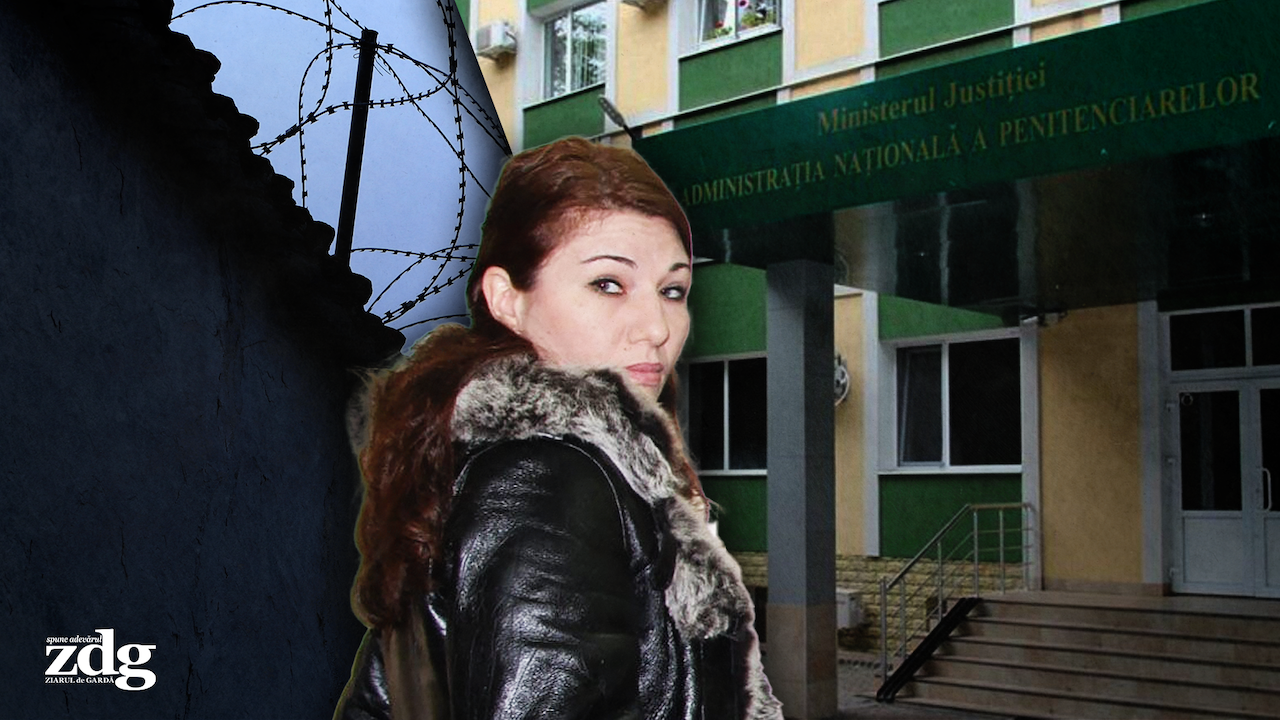
A ZdG investigation revealed that former lawyer Tatiana Mostovoi-Filimancov, sentenced in 2014 to seven and a half years in prison in a corruption case, could be released approximately three and a half years before completing her sentence.
Mostovoi-Filimancov had avoided serving her sentence for more than eight years before being detained in 2022. The Hâncești Court approved her early release, but information about the proceedings and the court’s decision was initially absent from the public judicial portal. The ruling was published only after ZdG requested explanations from the court.
According to documents examined by ZdG, Rusca Penitentiary opposed the early release, citing disciplinary violations and a negative assessment of the former lawyer’s conduct during detention.
The investigation also found that her original sentence had been reduced or modified through previous judicial decisions that were not published on the courts’ official portal. Furthermore, Mostovoi-Filimancov lost her licence to practise law only in April 2026, more than a decade after her conviction, following inquiries by ZdG to the Moldovan Bar Association.
Authorities detain suspects linked to fraudulent investment call centres targeting foreign pensioners
Moldovan prosecutors announced the detention of nine individuals suspected of participating in a criminal network that allegedly defrauded elderly people abroad through fraudulent investment schemes promising rapid and substantial returns.
According to the Prosecutor’s Office for Combating Organized Crime and Special Cases (PCCOCS), the network used online advertisements to attract potential victims, encouraging them to invest in shares or cryptocurrencies through specially created investment and trading platforms.
Investigators reported that prospective members of the network were subjected to polygraph examinations to assess whether they were likely to disclose information about the fraudulent operation.
Also, 15 additional people were detained following searches, on 11th of November, at two call centres in Chișinău.

Fatal pedestrian accident in Chișinău raises questions about repeat offender’s criminal history
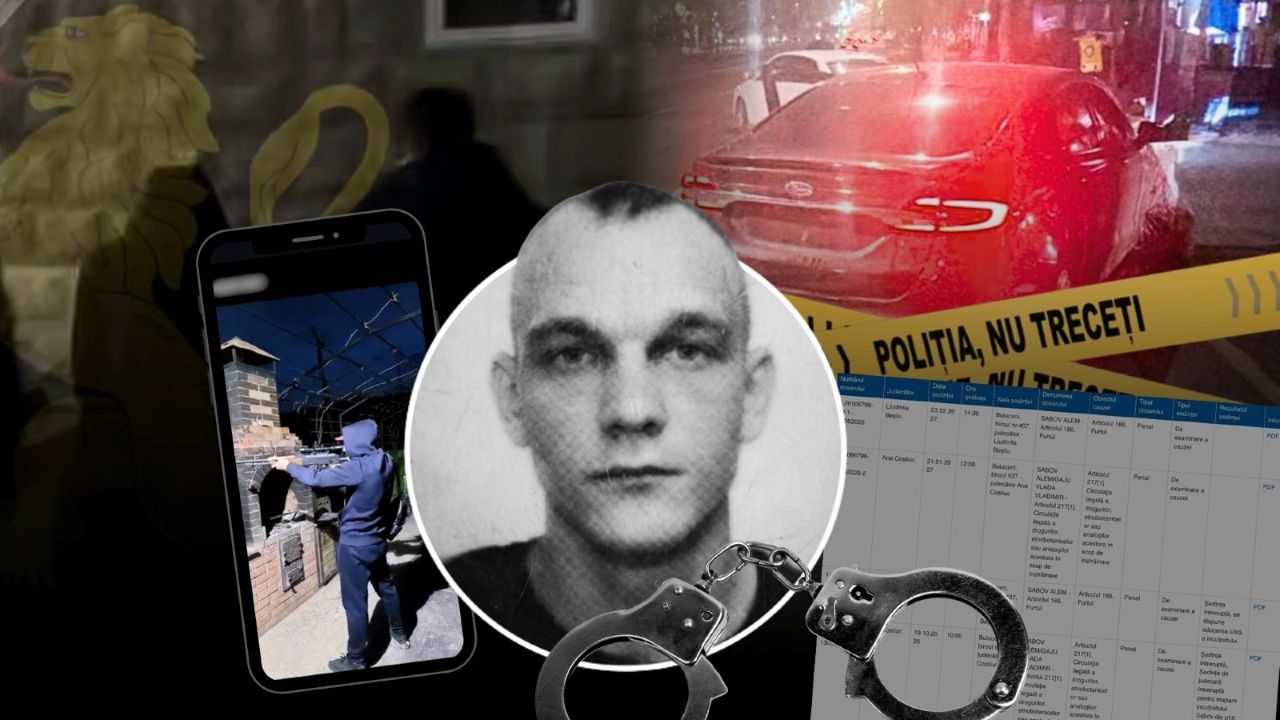
A ZdG investigation identified Alem Sabov, a resident of Orhei with multiple previous criminal convictions, as the driver involved in a serious road accident on Grigore Vieru Boulevard in Chișinău on November 10.
According to the investigation, Sabov struck two pedestrians, a woman approximately 30 years old and a 21-year-old man, while they were legally crossing an unsignalized pedestrian crossing. One of the victims died, while the driver fled the scene before being detained several hours later.
ZdG reported that Sabov had previously been convicted five times for aggravated theft and had also received a prison sentence in 2023 for drug-related offences. He was released in late 2025 after courts reduced his sentence due to detention conditions that violated Article 3 of the European Convention on Human Rights.
Two additional criminal cases involving theft and illegal drug circulation remained pending against him. A court hearing in one of the cases had been postponed just one week before the fatal accident.
According to law enforcement authorities, Sabov was driving without a licence, and subsequent tests returned positive results for amphetamine, methamphetamine, PVP and cannabis.
Moldovan intelligence warns of Russian electoral interference ahead of Gagauzia elections
Russia is intensifying preparations to influence upcoming elections in Moldova, with some activities already being observed in the autonomous region of Gagauzia, according to Alexandru Musteața, director of the Security and Intelligence Service (SIS).
Speaking at the annual EU Enlargement Conference, Musteața warned that Moldova was entering a three-year electoral period and that state institutions had already detected increased Russian activity aimed at influencing electoral processes.
Elections for the People’s Assembly of Gagauzia and the position of bashkan were scheduled for November 15.
Separately, a ZdG investigation documented the spread of false and misleading narratives among voters in Comrat and Ceadîr-Lunga ahead of the elections. These included claims that Gagauzia was losing its autonomy, that the region faced forced Romanianization and that the elections were illegal.
The investigation found that such narratives were accompanied by distrust of central authorities, nostalgia for Russia and expectations that the next bashkan would deliver higher pensions and lower gas and food prices. Some of these expectations exceed the legal powers of the region’s leader, while several claims echoed misleading narratives promoted in public discourse, including by electoral candidates.
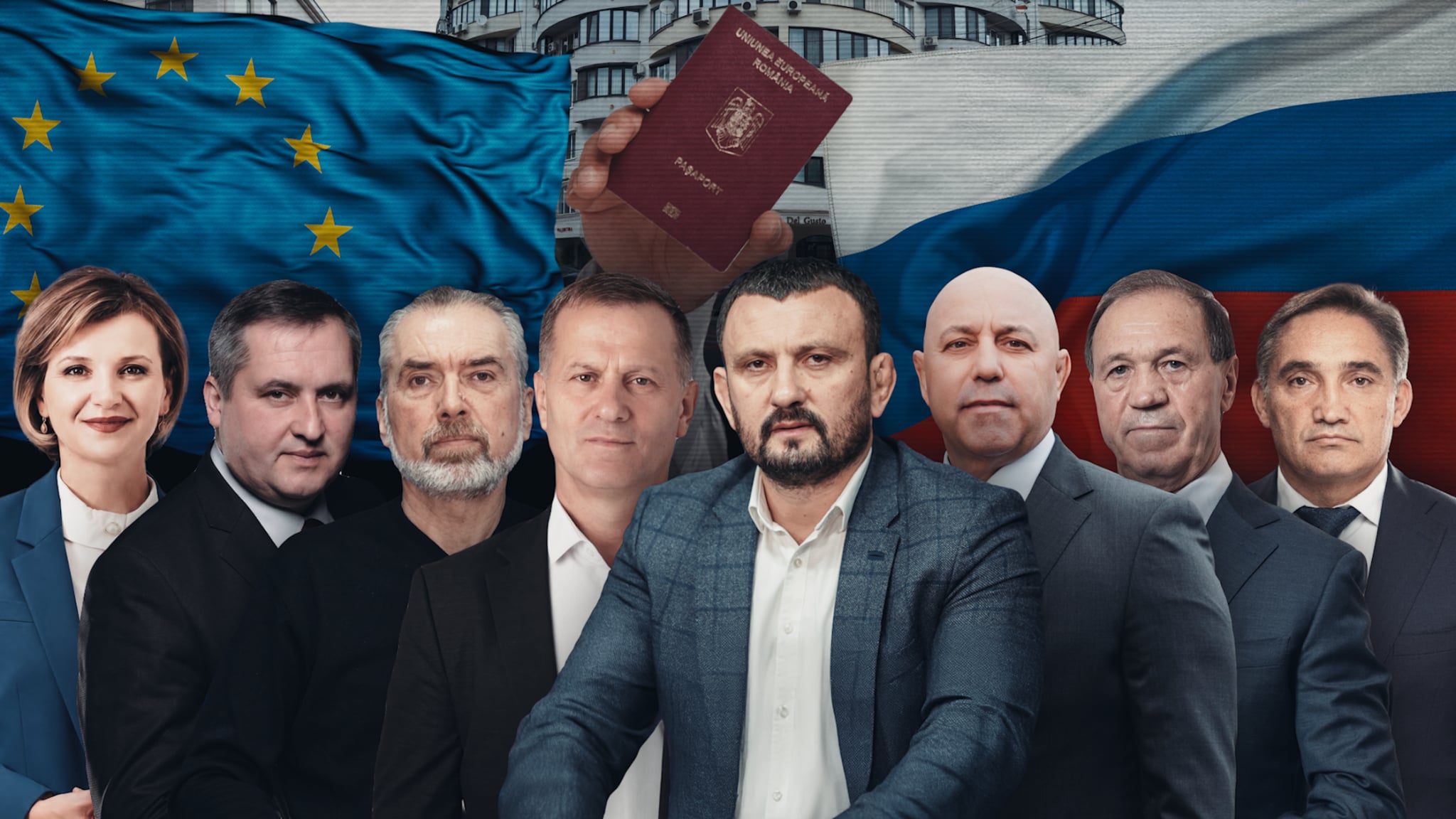
ZdG investigation exposes online recruitment of Moldovans for Russia’s war in Ukraine
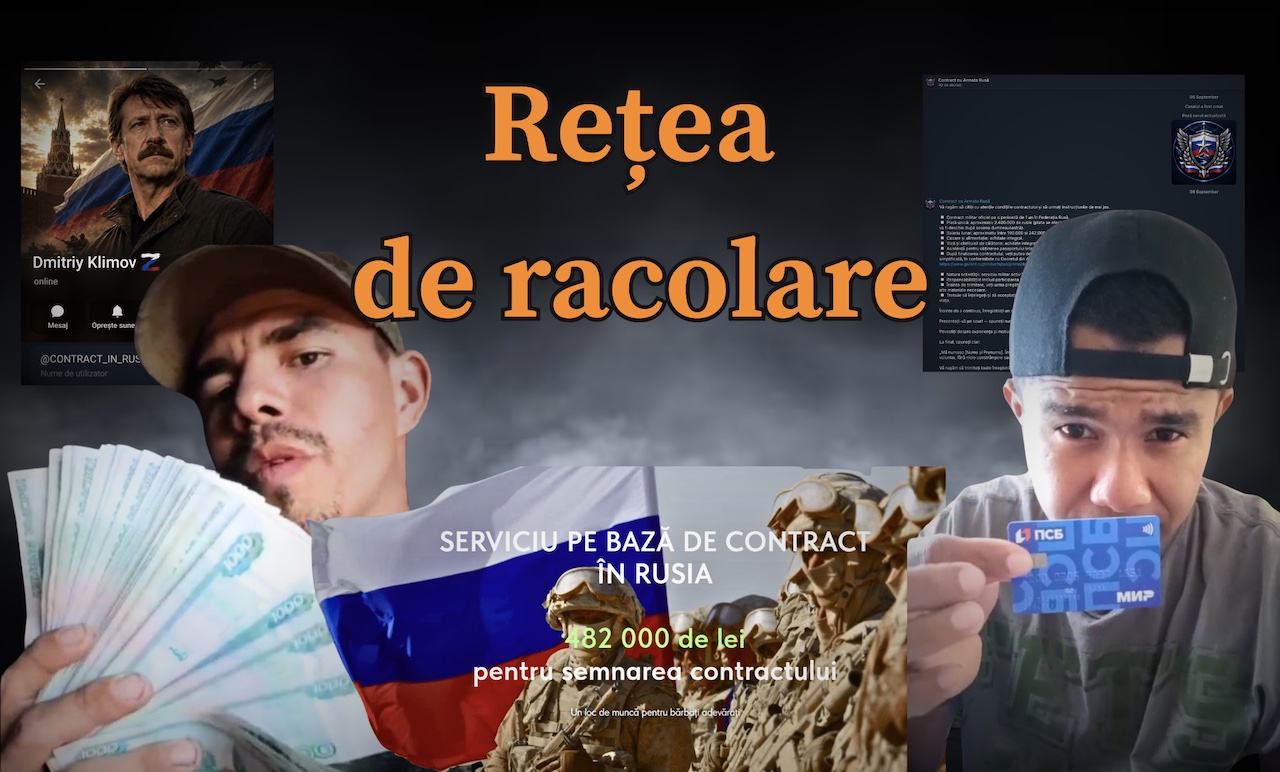
An investigation by Ziarul de Gardă revealed how online recruitment networks attempt to attract Moldovan citizens into the Russian army by offering substantial financial incentives and the possibility of obtaining Russian citizenship.
Recruiters advertised a one-time payment of approximately 480,000 Moldovan lei, monthly salaries ranging from 37,000 to 47,000 lei and assistance with obtaining Russian documents.
A ZdG reporter, posing as a young man interested in joining the Russian military, contacted the administrator of a Telegram recruitment group. The administrator provided information about transportation to Russia, accommodation, documentation procedures and subsequent transfer to military training centres.
The investigation also documented photographs, videos and conversations allegedly involving other recruited individuals. Participation in mercenary activities is prohibited and punishable under Moldovan legislation.
According to a study by WatchDog, researchers identified four recruitment advertisements targeting Moldova, published by three pages, alongside 86 advertisements targeting other regions, including Belarus, Central Asia, Latin America and Francophone Africa.